Garden
Practical, US-focused help for every yard, from planning beds and choosing plants for your zone to growing vegetables, caring for the lawn, dealing with pests and working out how much mulch or soil to buy.
Start here
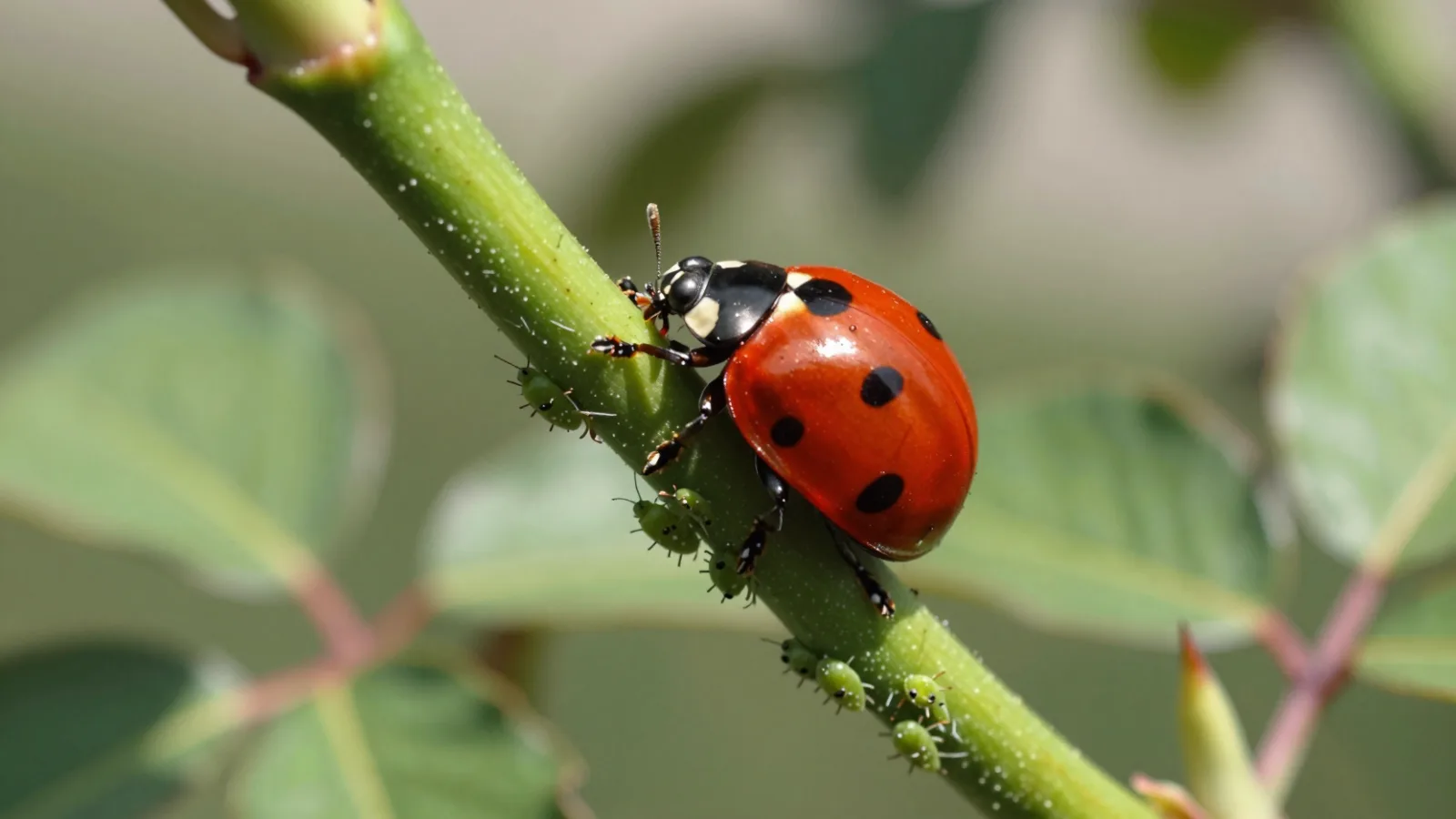
Garden Design
Planning a garden that works for your yard and how you use it, from mapping sun and shade to laying out beds, paths and focal points.
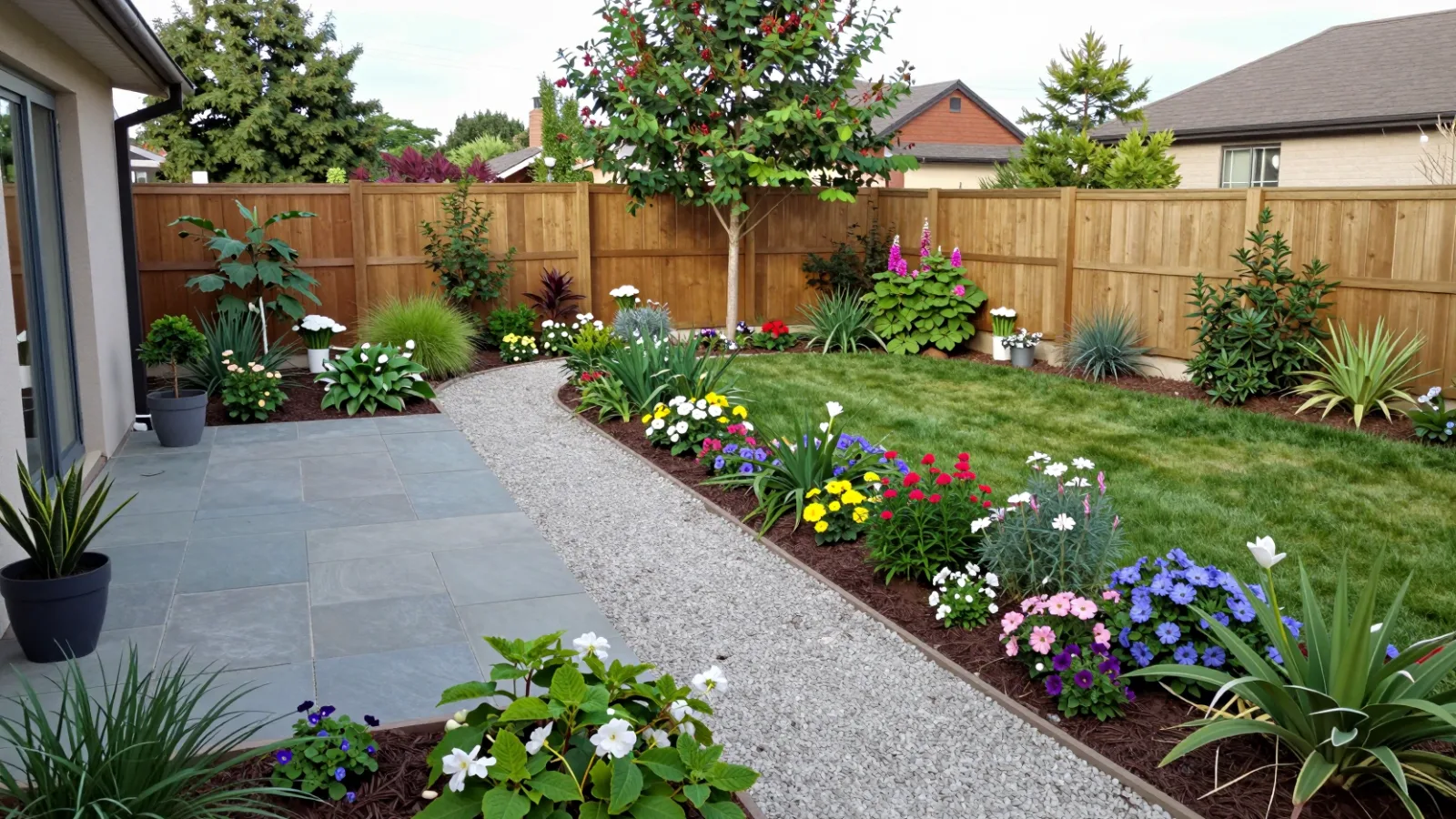
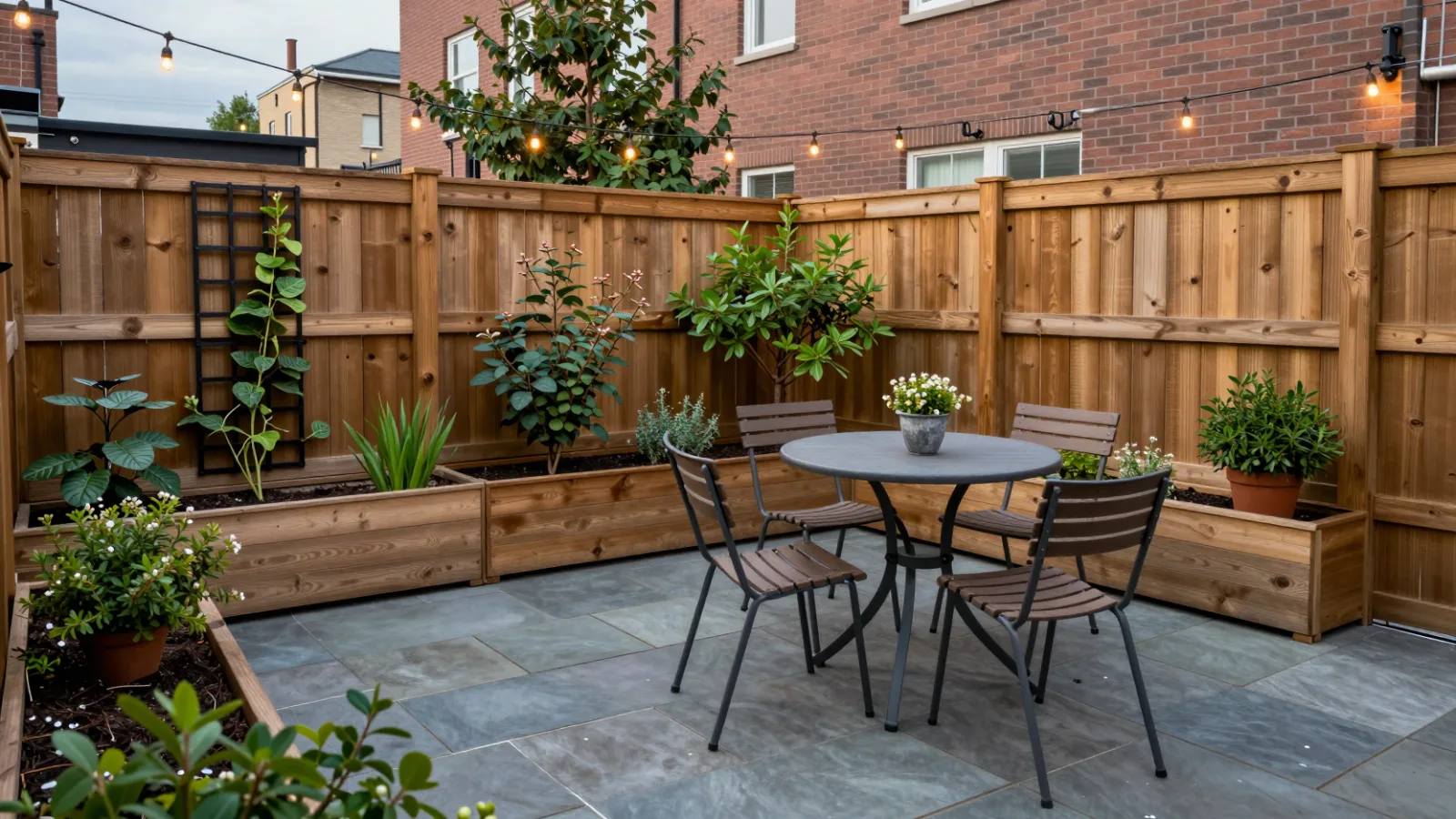
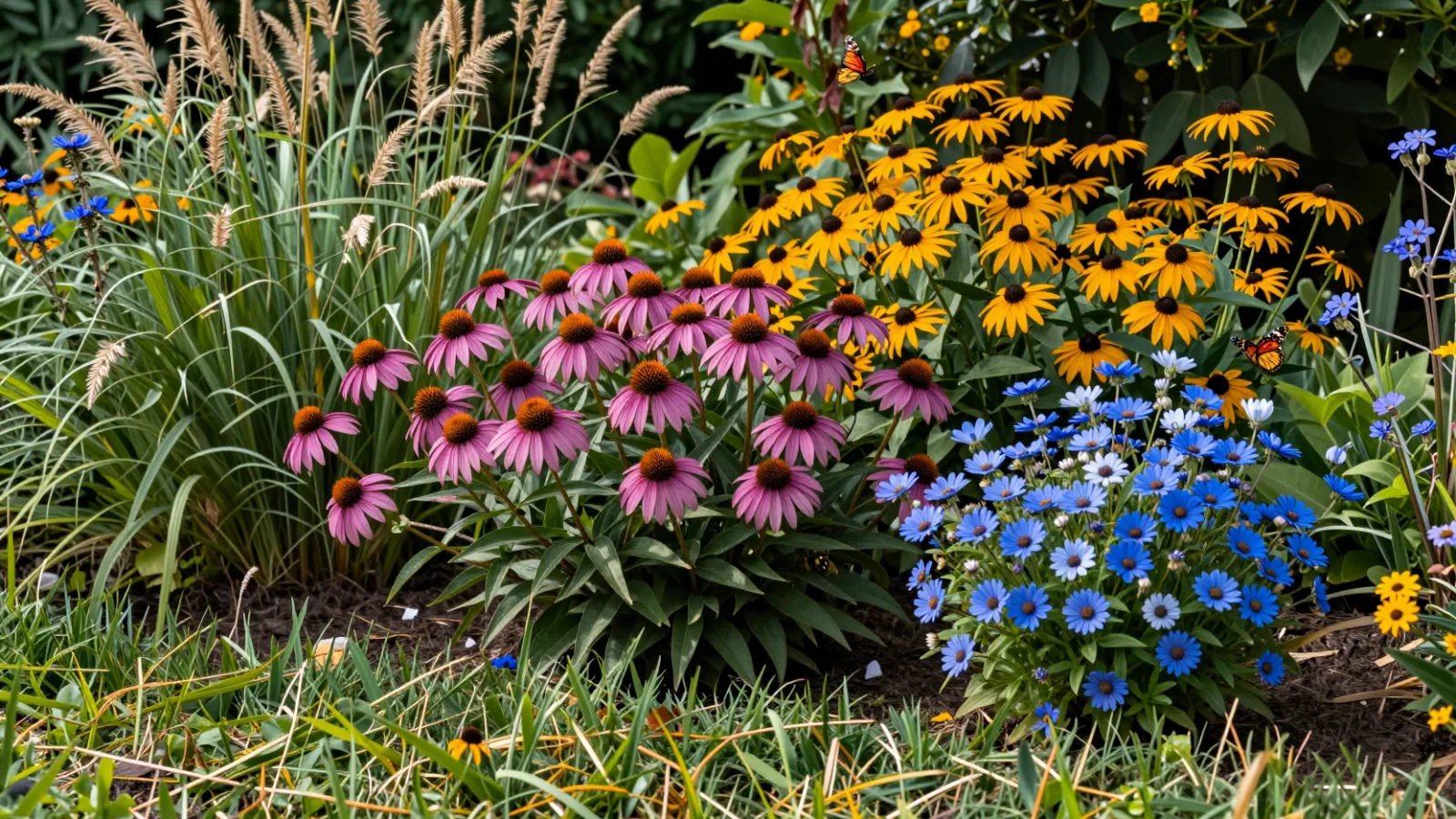
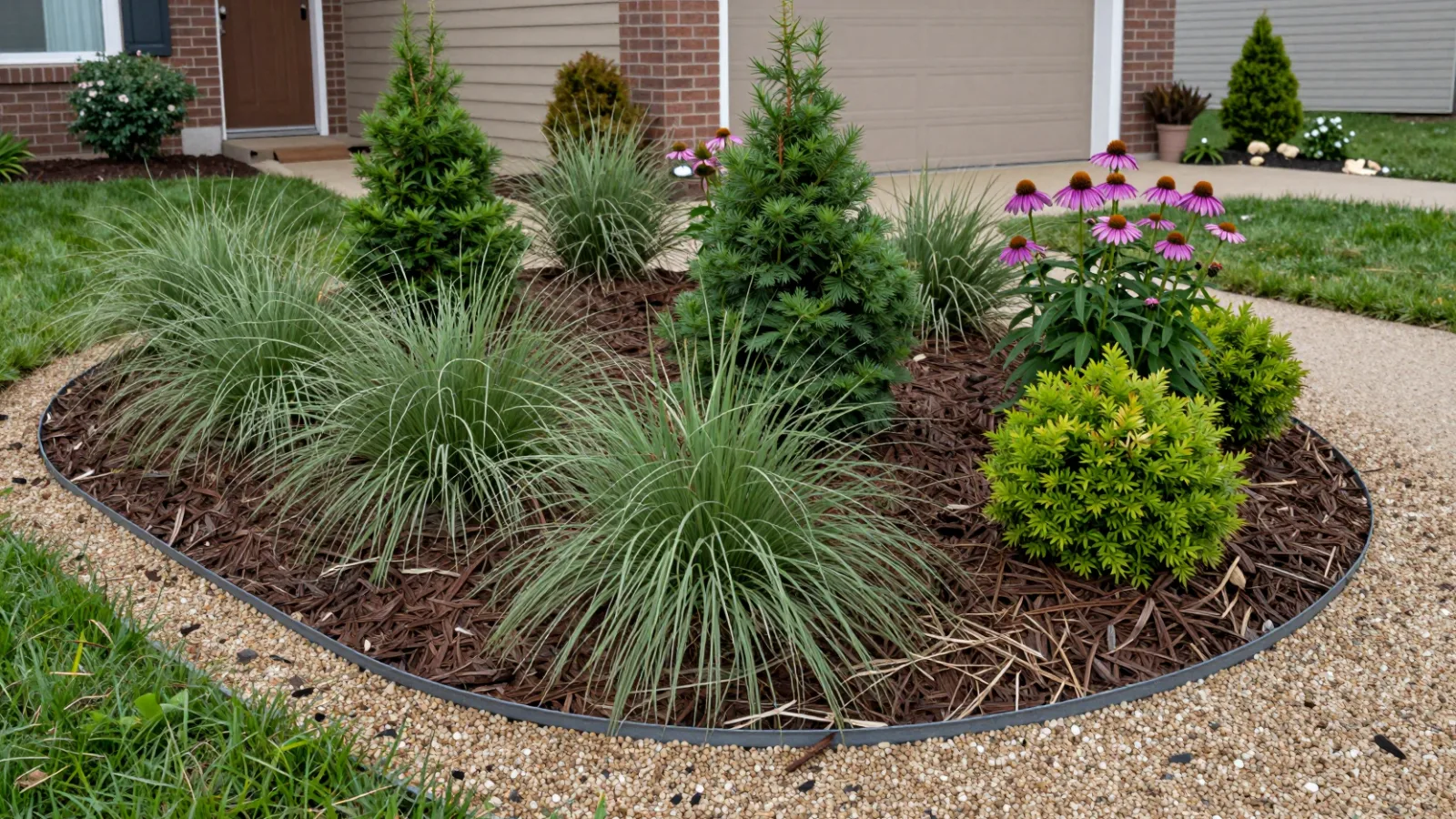
Plants, Trees & Shrubs
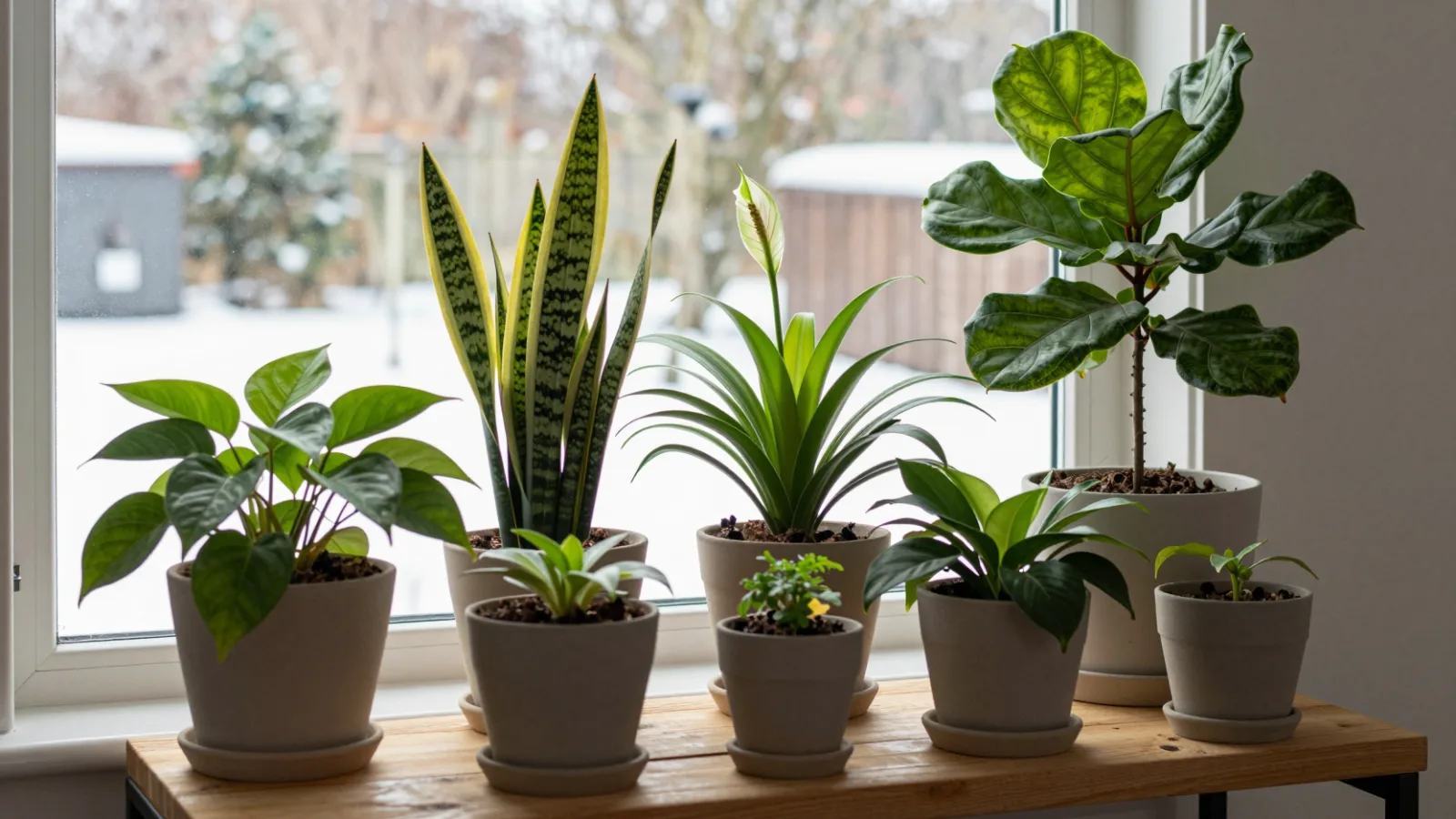
Choosing and caring for perennials, shrubs, trees and houseplants, including hardiness zones, planting, watering and getting plants safely through winter.
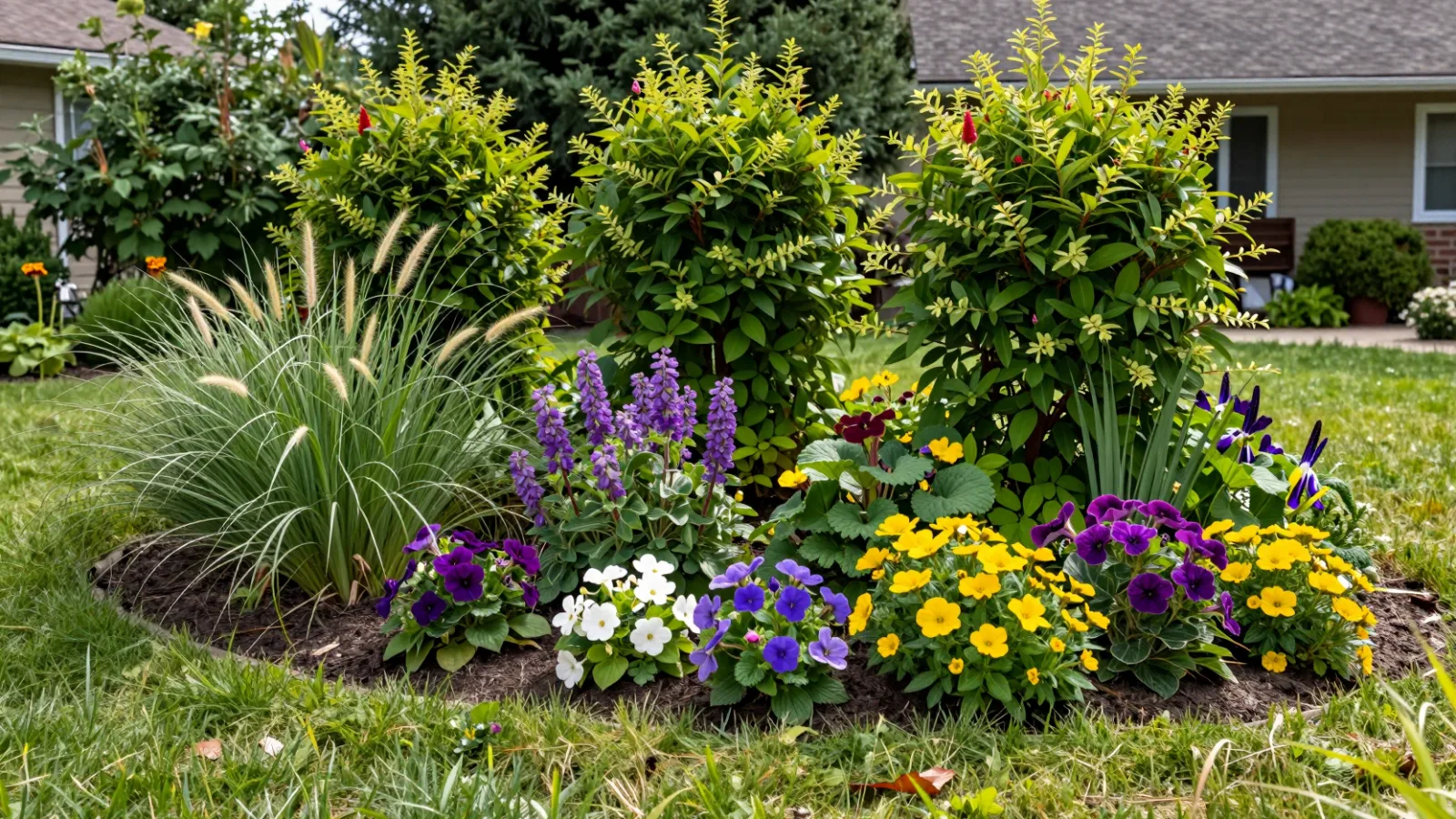
Lawn Care
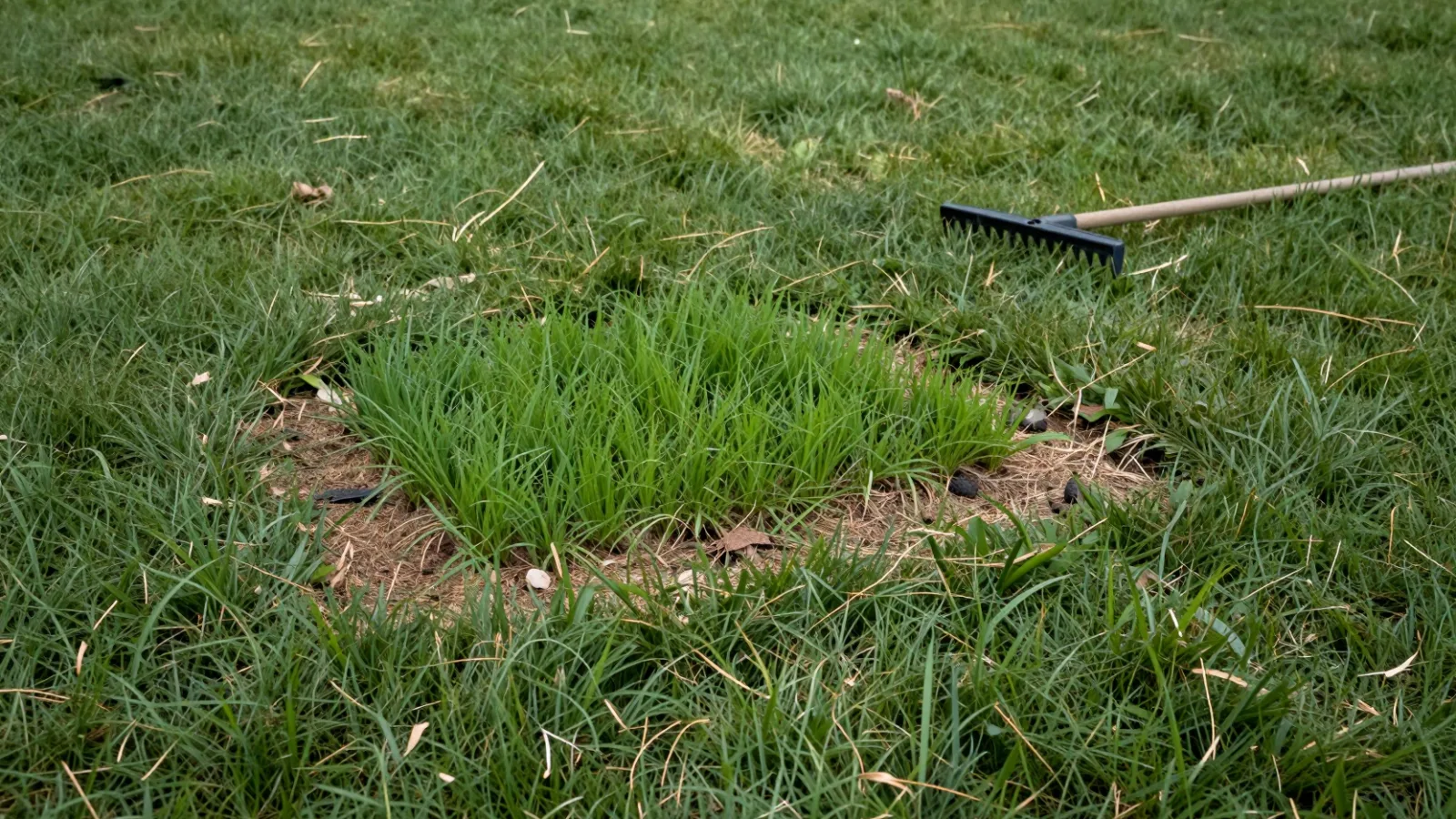
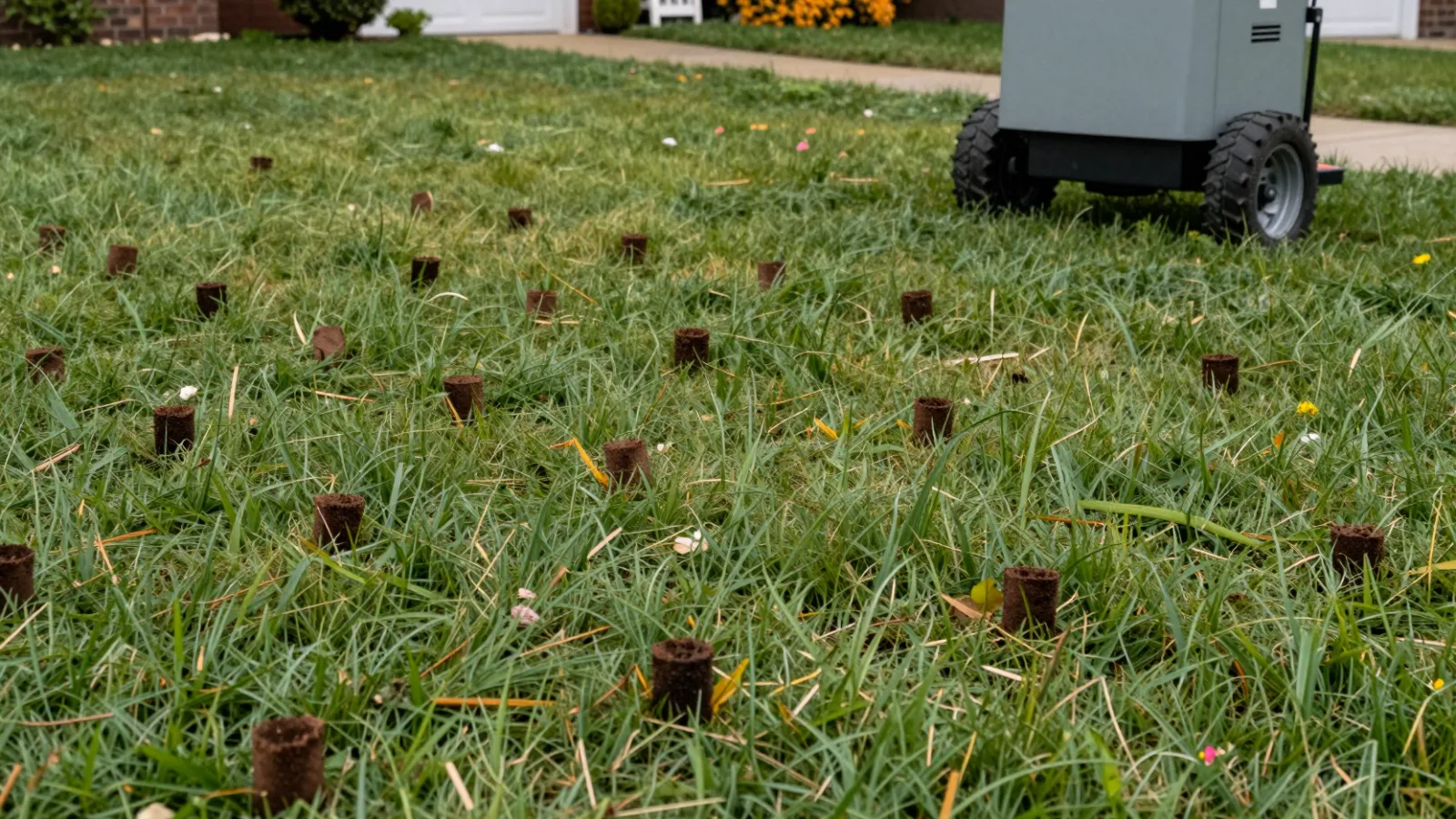
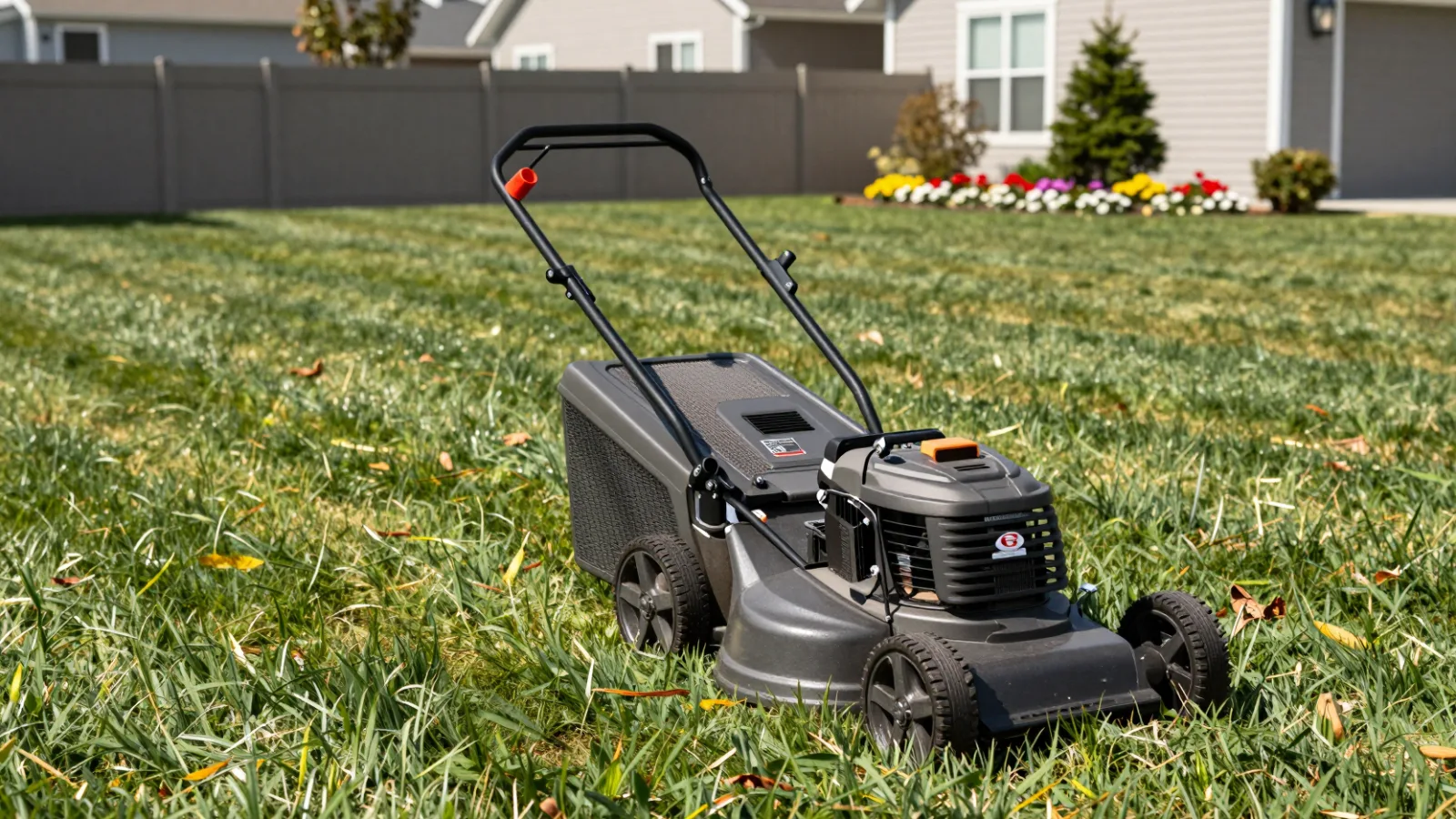
Keeping a lawn healthy through the year: mowing, watering, feeding, weeds and when to aerate, overseed or repair bare patches.


Vegetables & Herbs
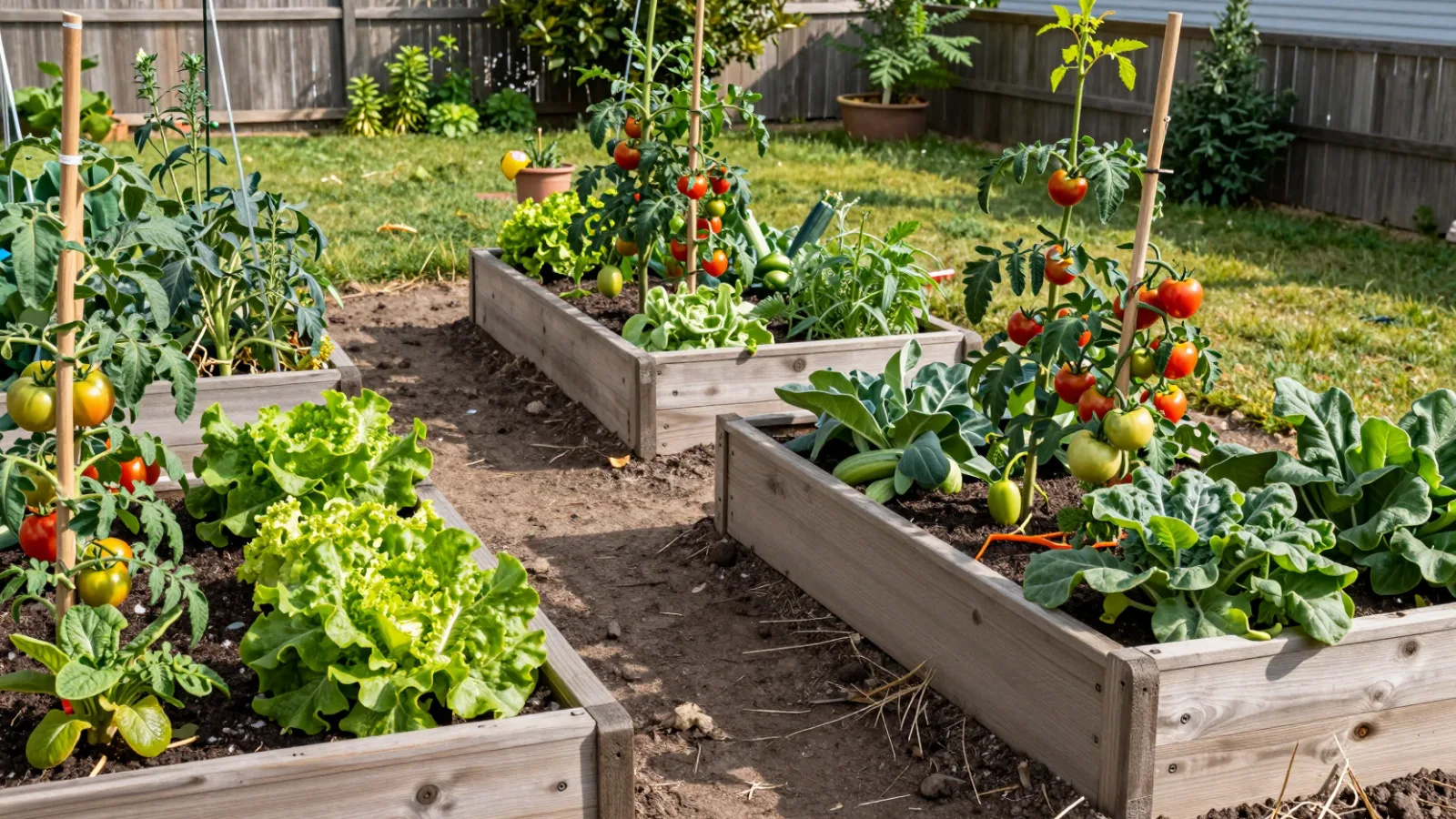
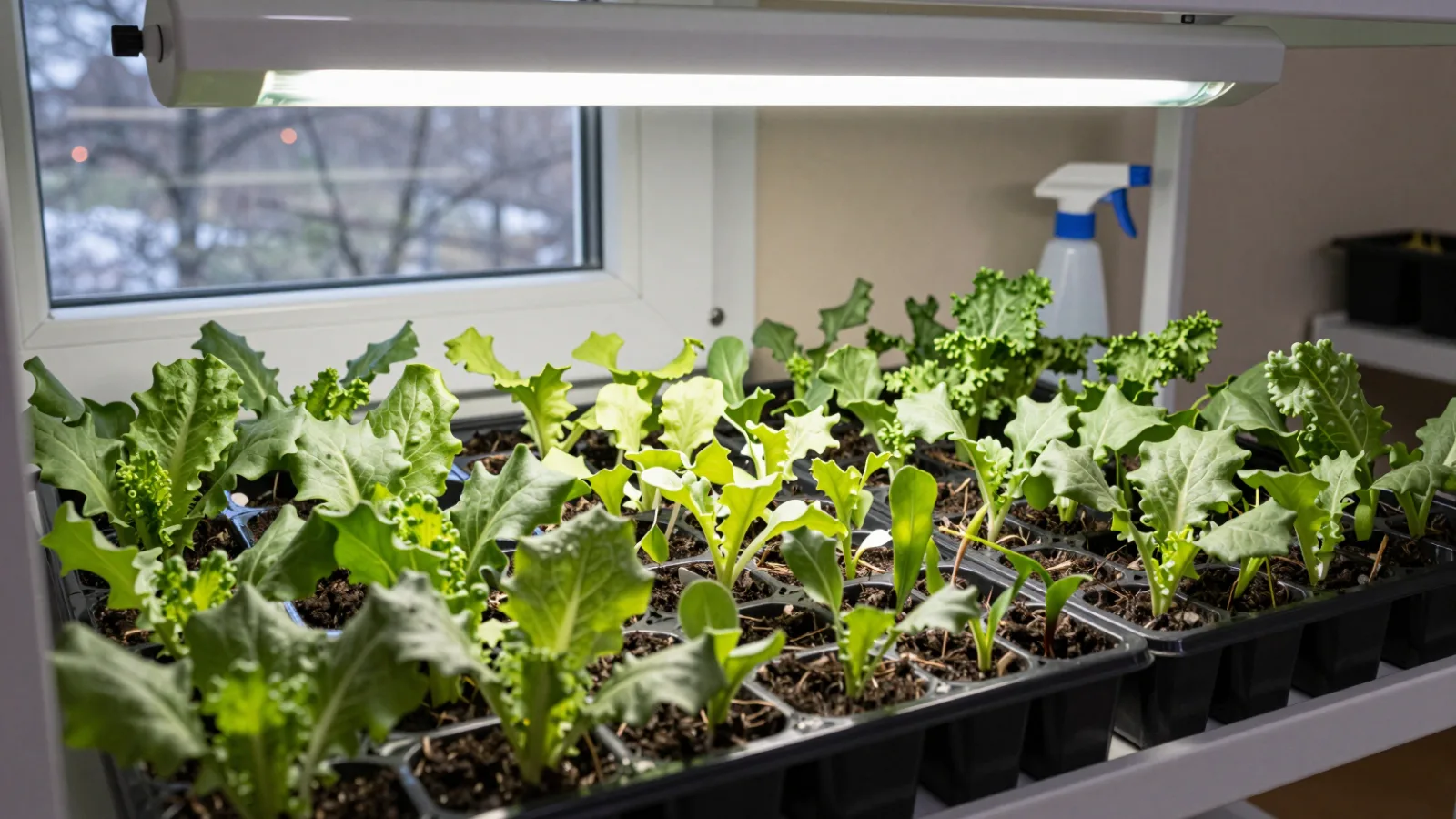
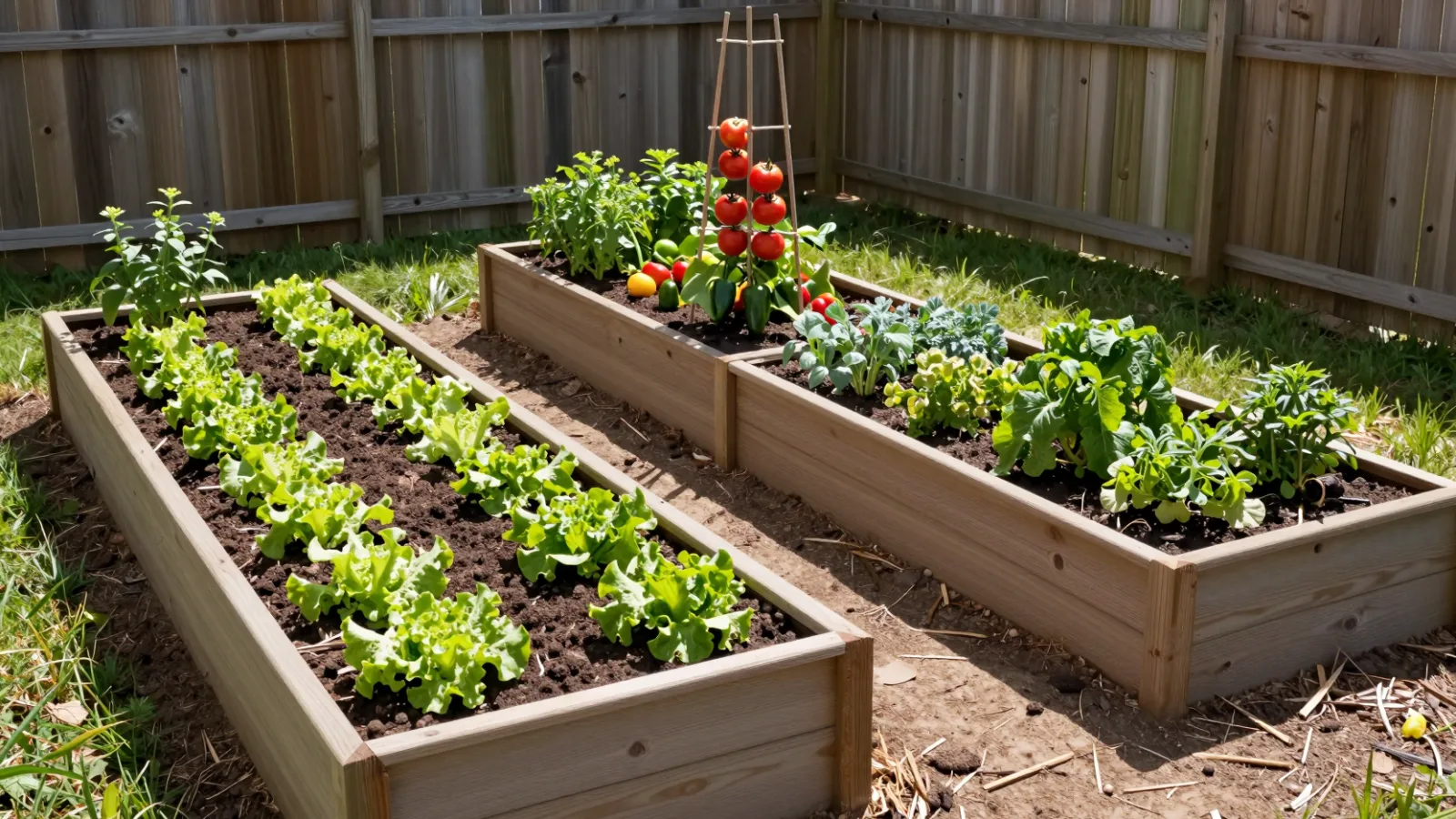
Growing your own vegetables and herbs, from planning a first bed and choosing easy crops to planting times, watering and harvesting.

Tools & Equipment
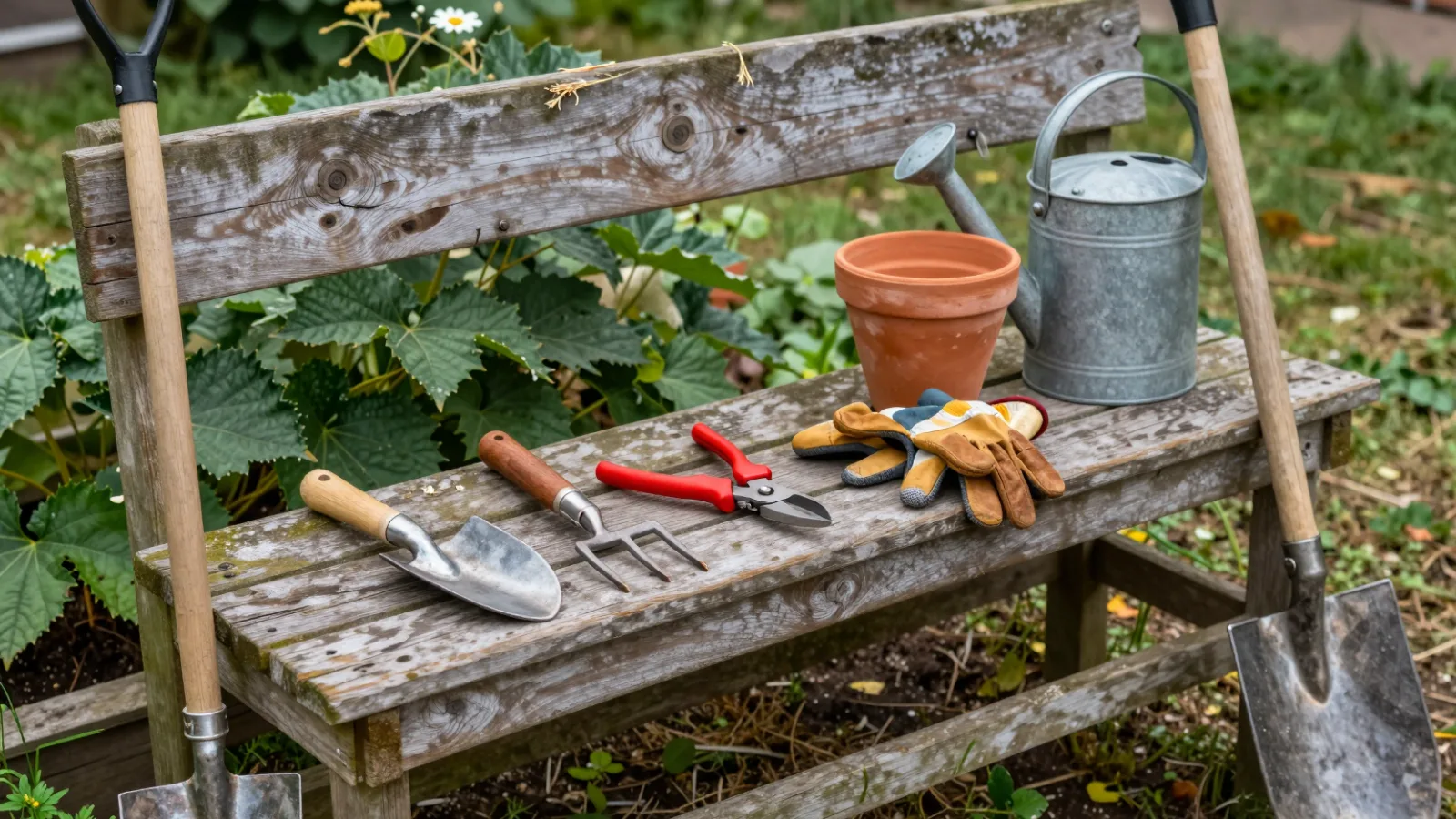
Choosing the garden tools and equipment worth owning, and how to clean, sharpen and store them so they last for years.


Outdoor Living
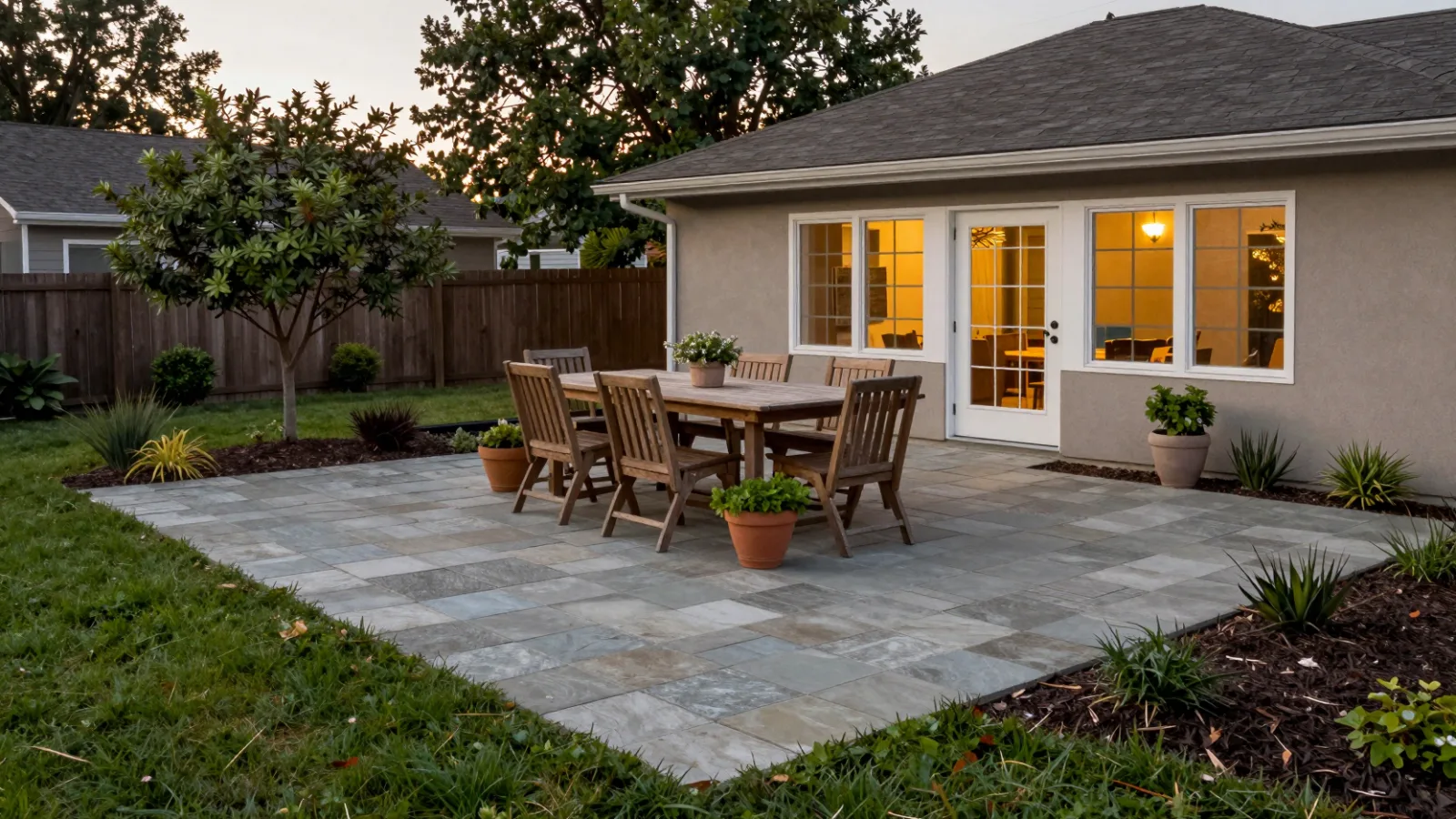
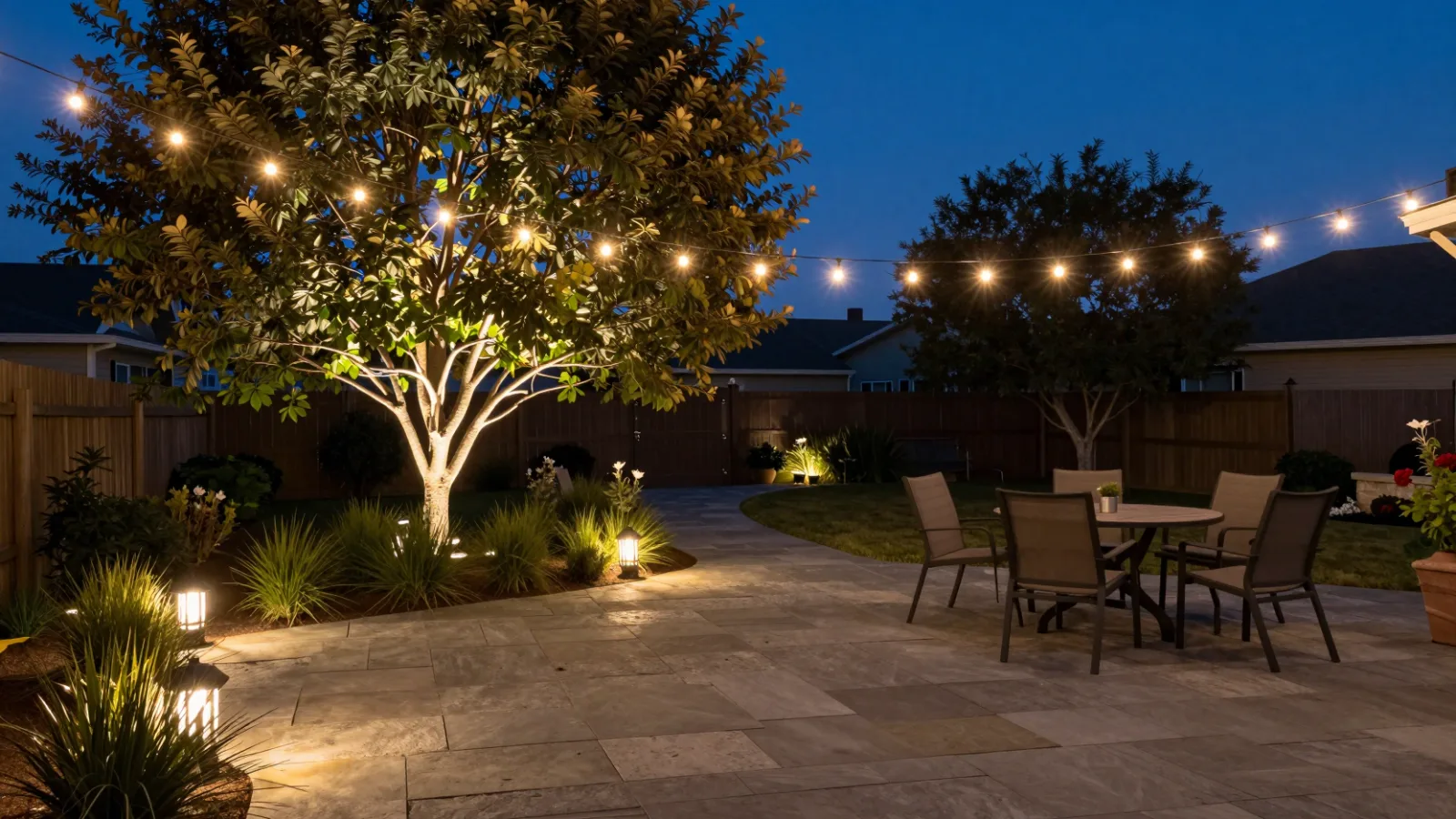
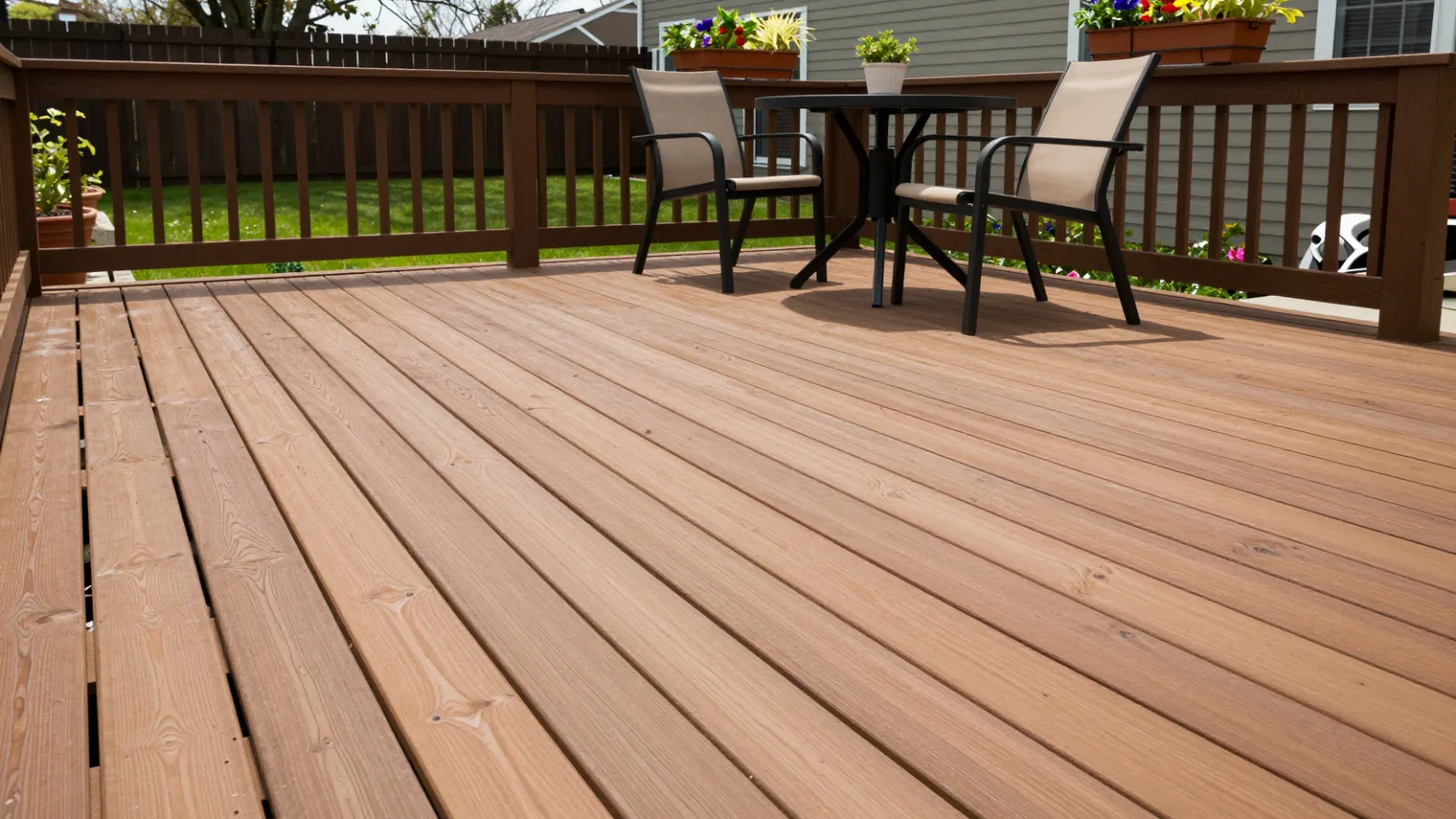
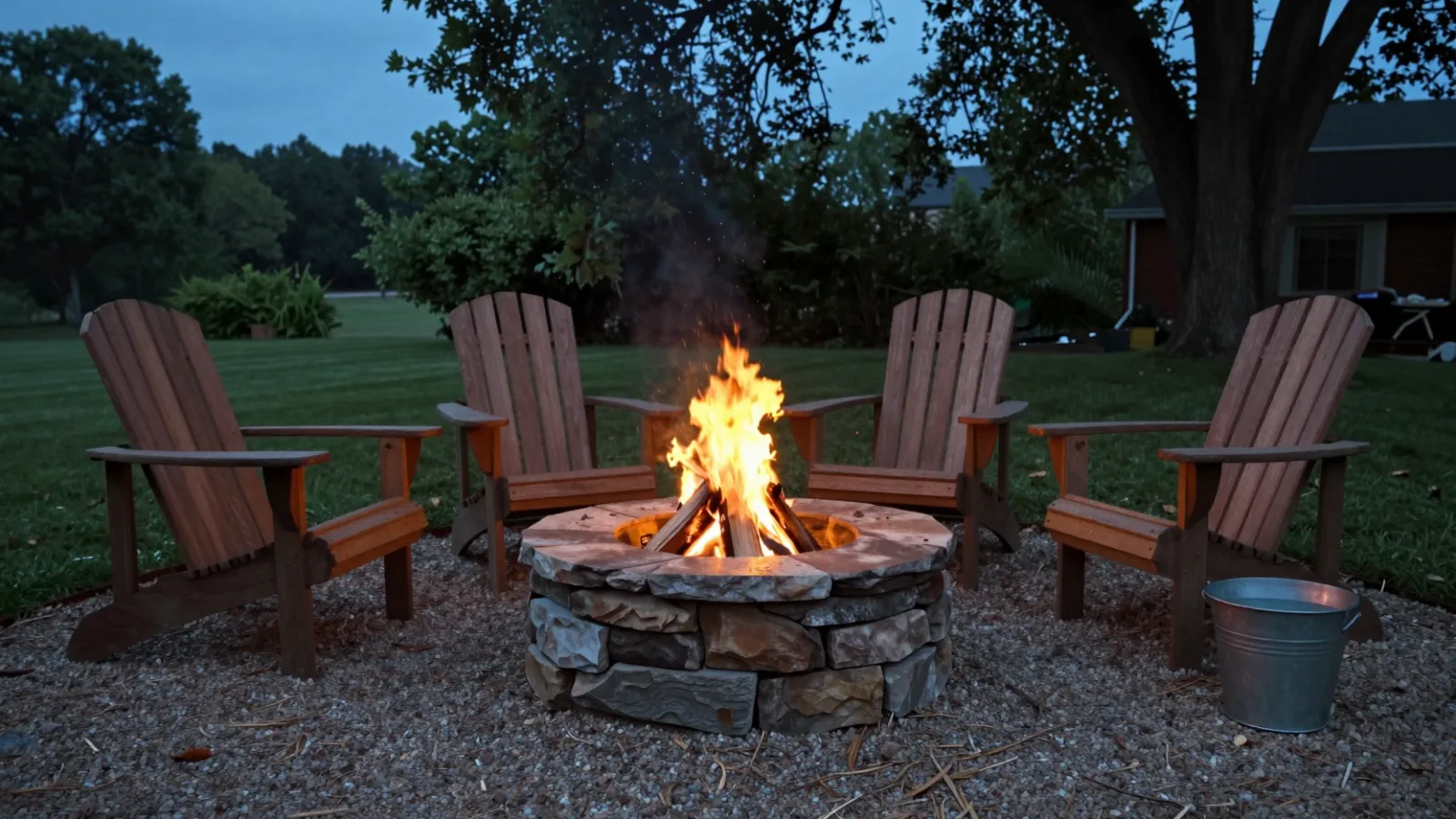
Making more of your outdoor space with patios, decks, seating areas and water features you can enjoy for much of the year.
Pests & Problems
Identifying and fixing common garden problems, from insects and slugs to yellow leaves, wilting and disease, with safer methods first.


Garden calculators
Work out how much mulch, soil and fertilizer to buy.
About gardening at home
Good gardens start with the basics: knowing your climate, understanding your soil and light, and choosing plants that suit them. Get those right and most of the hard work, from constant watering to fighting pests and replacing plants that don't survive, takes care of itself.
Plan before you plant
Before buying plants, sketch your space and note where the sun falls through the day. Our guide to planning a garden layout walks you through it, and how to choose the right plants explains hardiness zones, light and soil so you pick plants that thrive where you live.
Grow your own
A small vegetable bed is one of the most rewarding garden projects. Our beginner's guide to starting a vegetable garden covers where to put it, what to grow first and how to keep it productive.
Lawns, tools and outdoor living
A healthy lawn is mostly about mowing high, watering deeply and feeding at the right time of year, all covered in our lawn care guide. If you are just getting started, our list of essential garden tools shows what is worth buying. To make more of your yard, see how to plan a patio or deck.
When things go wrong
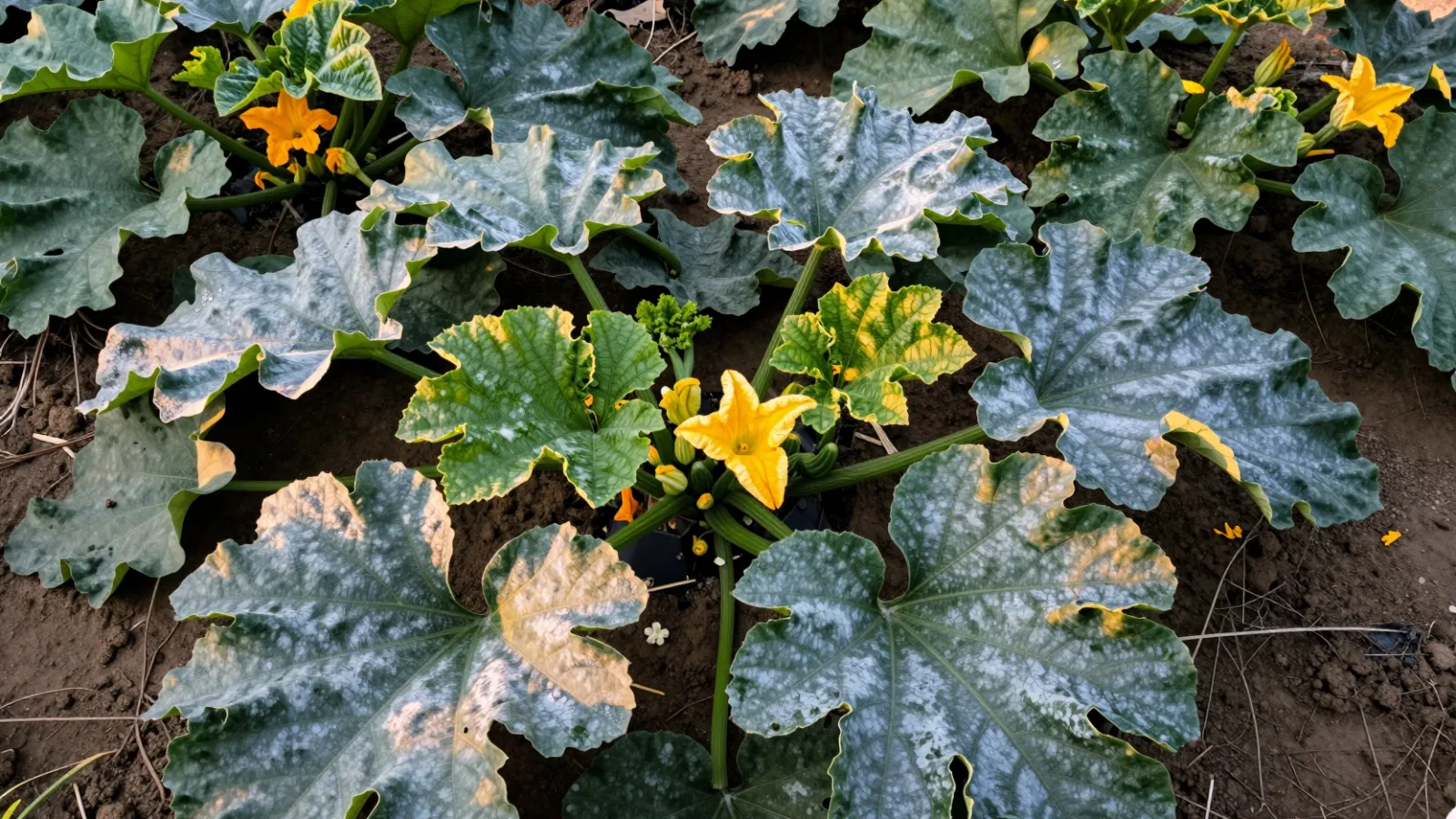
Yellow leaves, chewed foliage and wilting plants usually have a simple cause. Start with our guide to garden pests and why plant leaves turn yellow.
Through the seasons
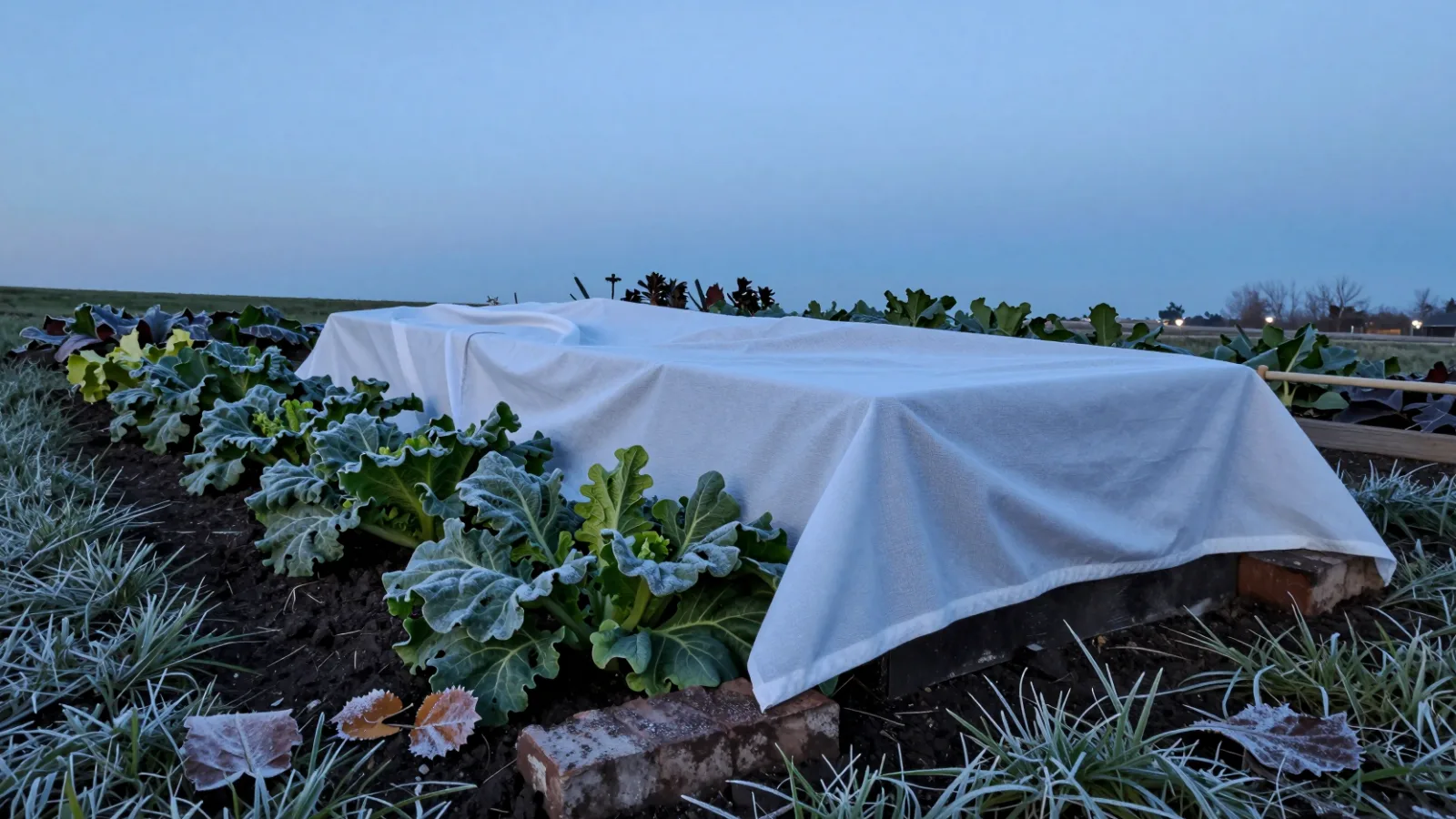
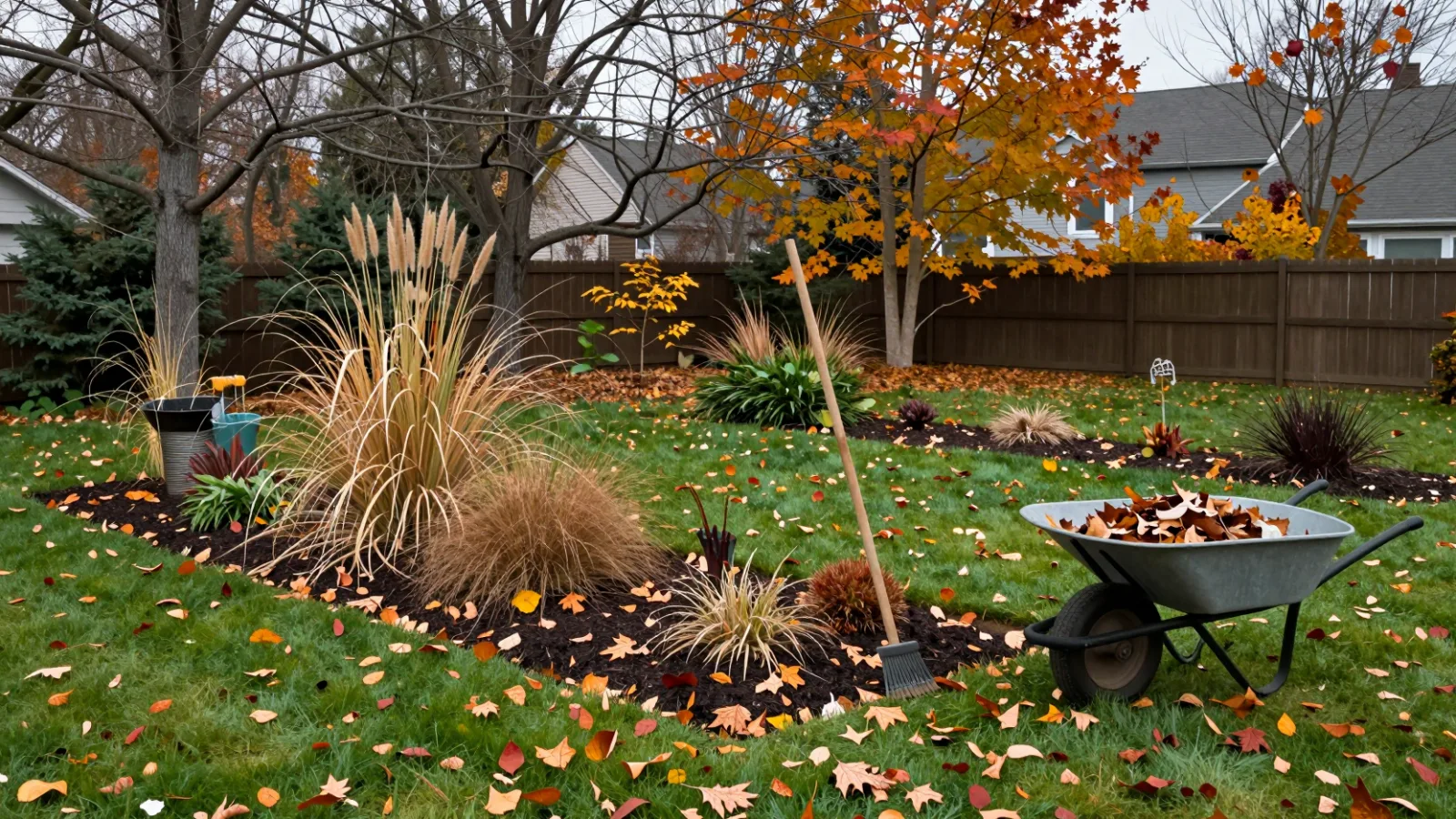
Gardens need different jobs as the year turns. In fall and winter, see how to prepare your garden for winter and how to protect plants from frost. If you have a backyard pond, our Ponds section covers that too.
Garden questions
Your USDA plant hardiness zone is based on the average coldest winter temperature where you live. Plant labels list the zones a plant can survive in, so checking your zone (you can look it up by ZIP code on the USDA website) is the simplest way to choose perennials, shrubs and trees that will come back each year.
It depends on the plant and your area. Most trees, shrubs and perennials do best planted in spring or fall, when temperatures are mild. Warm-season vegetables go in after your last spring frost date, while cool-season crops can be planted earlier in spring and again in late summer.
Most established gardens need about 1 inch of water a week from rain or watering. Water deeply and less often rather than a little every day, early in the morning, and check the soil a few inches down before watering. New plants need more frequent water until their roots are established.
Start small. One raised bed or a few containers of easy vegetables and herbs, or a single flower bed of tough, zone-appropriate plants, teaches you a lot without the work of a big garden. Our beginner guides walk you through each step.