How to Choose the Right Plants (USDA Hardiness Zones Explained)
Plants thrive when they suit your climate, light and soil. Here's how to find your USDA hardiness zone, read a plant label, match plants to sun and soil, and pick trees, shrubs and perennials that will last.
By Pond.com editors Updated 5 min read
Quick answer
- Find your USDA hardiness zone by entering your ZIP code on the USDA's Plant Hardiness Zone Map. It tells you which perennials, shrubs and trees survive your winters.
- Choose plants rated for your zone or a colder one. A plant rated for zones 4 to 8 will survive winters in zone 6.
- Match each plant to your light. Full sun means at least 6 hours of direct sun a day.
- Check the plant's grown size, not the size in the pot, and leave room for it.
- Native plants usually need less water and care, and they support local wildlife.
The secret to a garden that looks after itself is simple: choose plants that suit where they'll grow. A plant that loves your climate, light and soil will grow strongly with little help. One that doesn't will struggle however much you water and feed it.
This guide explains hardiness zones, how to read a plant label, and how to match plants to your garden.
Find your hardiness zone
The USDA Plant Hardiness Zone Map divides the country by the average coldest winter temperature. It's the single most useful tool for choosing perennials, shrubs and trees, because it tells you which plants will survive your winters.
- Zones run from 1 to 13. Zone 1 is the coldest (parts of Alaska) and 13 the warmest (parts of Hawaii and Puerto Rico). Most of the lower 48 states fall between zones 3 and 10.
- Each zone is 10°F of average coldest winter temperature, split into "a" and "b" halves 5°F apart.
- The current map was released in 2023, based on 1991 to 2020 weather data. About half the country shifted into a slightly warmer half zone, so it's worth checking again if you looked up your zone years ago.
To find yours, enter your ZIP code on the USDA's Plant Hardiness Zone Map website.
| Zone | Average coldest winter temperature |
|---|---|
| 3 | −40 to −30°F |
| 4 | −30 to −20°F |
| 5 | −20 to −10°F |
| 6 | −10 to 0°F |
| 7 | 0 to 10°F |
| 8 | 10 to 20°F |
| 9 | 20 to 30°F |
| 10 | 30 to 40°F |
Zones can change over short distances, especially in hilly areas and near large cities or bodies of water, so always check your own ZIP code.
What zones don't tell you
A hardiness zone only measures winter cold. It says nothing about summer heat, humidity, rainfall or soil. A plant rated for your zone can still fail in a hot, humid summer or in heavy clay. That's why the next steps matter just as much.
Read the plant label
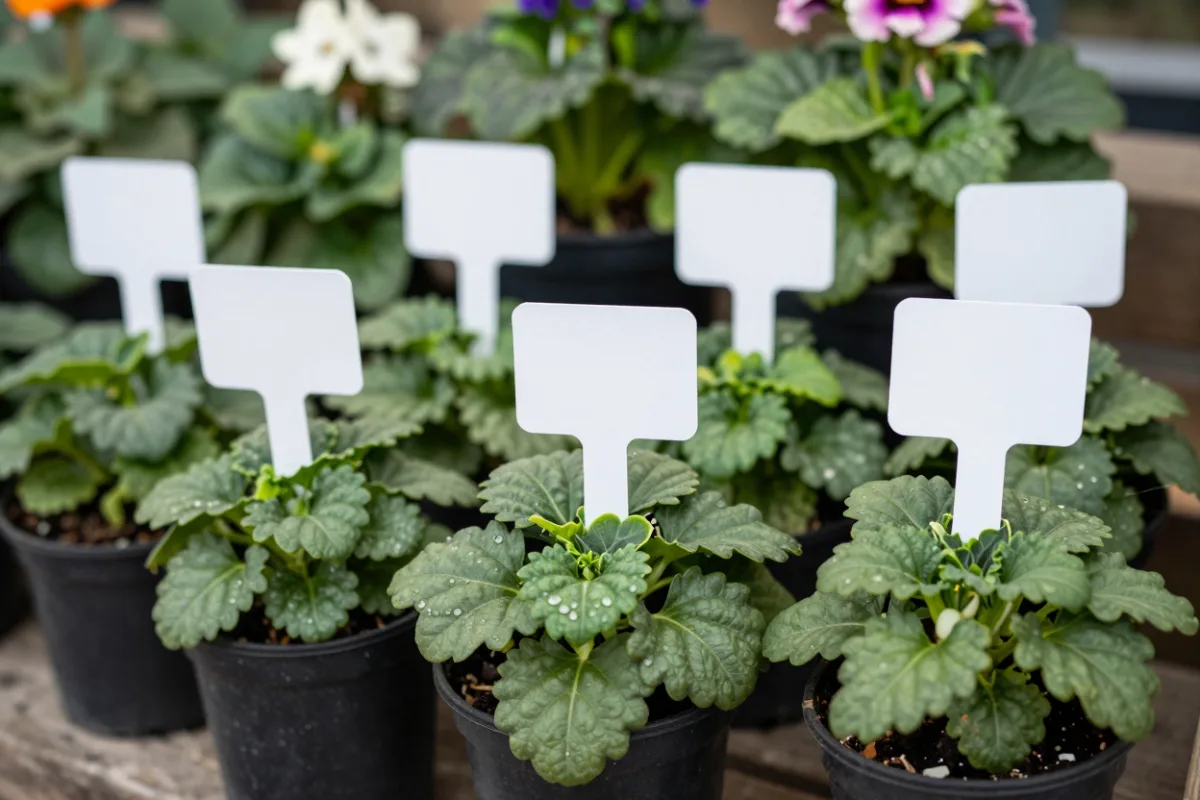
Most plant tags tell you everything you need:
- Zones: for example "zones 4–8". Choose plants whose range includes your zone.
- Light: full sun, part sun, part shade or full shade.
- Size: the grown height and spread, not the size in the pot.
- Water needs: low, average or high.
- Bloom time: useful for planning color through the season.
Match plants to your light
| Light | Hours of direct sun | Good choices |
|---|---|---|
| Full sun | 6 or more | Most vegetables, roses, lavender, coneflowers, salvia |
| Part sun or part shade | 3 to 6 | Hydrangeas, daylilies, astilbe, many ferns |
| Full shade | Less than 3 | Hostas, hellebores, ferns, many ground covers |
Watch your garden through a whole day before deciding. Light that's blocked by a house or tree in the morning may be strong in the afternoon, and afternoon sun is much hotter than morning sun.
Match plants to your soil
- Clay soil holds water and nutrients but drains slowly. Choose plants that tolerate wet feet, and add compost to improve it over time.
- Sandy soil drains fast and dries out. Choose drought-tolerant plants and mulch well.
- Loam is the ideal mix that most plants love.
- pH matters for some plants. Blueberries, azaleas and rhododendrons need acidic soil. A soil test from your county's cooperative extension office tells you your pH.
Leave room to grow
The most common planting mistake is spacing plants for the size they are now. Check the grown spread on the label and plant at that distance. A shrub that will be 6 ft wide needs a 6 ft gap, even if it looks lonely for the first year or two. Fill the gaps with annuals while it grows.
Consider native plants
Native plants grew in your region long before gardens did, so they're adapted to your climate and soil. Once established, they usually need less water, no fertilizer and little care, and they feed native bees, butterflies and birds. Your state's native plant society and your county extension office publish lists of good natives for your area.
Trees, shrubs and perennials: what each is for
- Trees give height, shade and structure for decades. Choose carefully, and keep large trees well away from the house, pipes and power lines.
- Shrubs form the backbone of beds and hedges, and many evergreens give color all winter.
- Perennials come back every year and give most of the seasonal color.
- Annuals live for one season. They're perfect for containers and for filling gaps while slower plants grow.
Common questions
It's a band of the country based on the average coldest winter temperature. Zones run from 1 (coldest) to 13 (warmest) in 10°F steps, and each is split into a and b halves 5°F apart. The current map, released in 2023, is based on 1991 to 2020 weather data.
Enter your ZIP code on the USDA Plant Hardiness Zone Map website. The 2023 update moved many areas into a slightly warmer half zone, so check even if you looked it up years ago.
Plants rated for warmer zones may die in a cold winter, so treat them as annuals or grow them in pots you can move indoors. A sheltered spot near a south-facing wall can sometimes support a plant rated half a zone warmer.
Not much. Annuals and most vegetables live for one season, so frost dates matter more than zones. Zones matter for perennials, shrubs and trees that must survive the winter.
At least 6 hours of direct sunlight a day. Part sun or part shade means about 3 to 6 hours, and full shade means less than 3 hours of direct sun.