Home Improvement & DIY
Home improvement made simpler: the tools, skills and beginner projects for jobs you can do yourself, and how to know when to call a pro.
Getting started
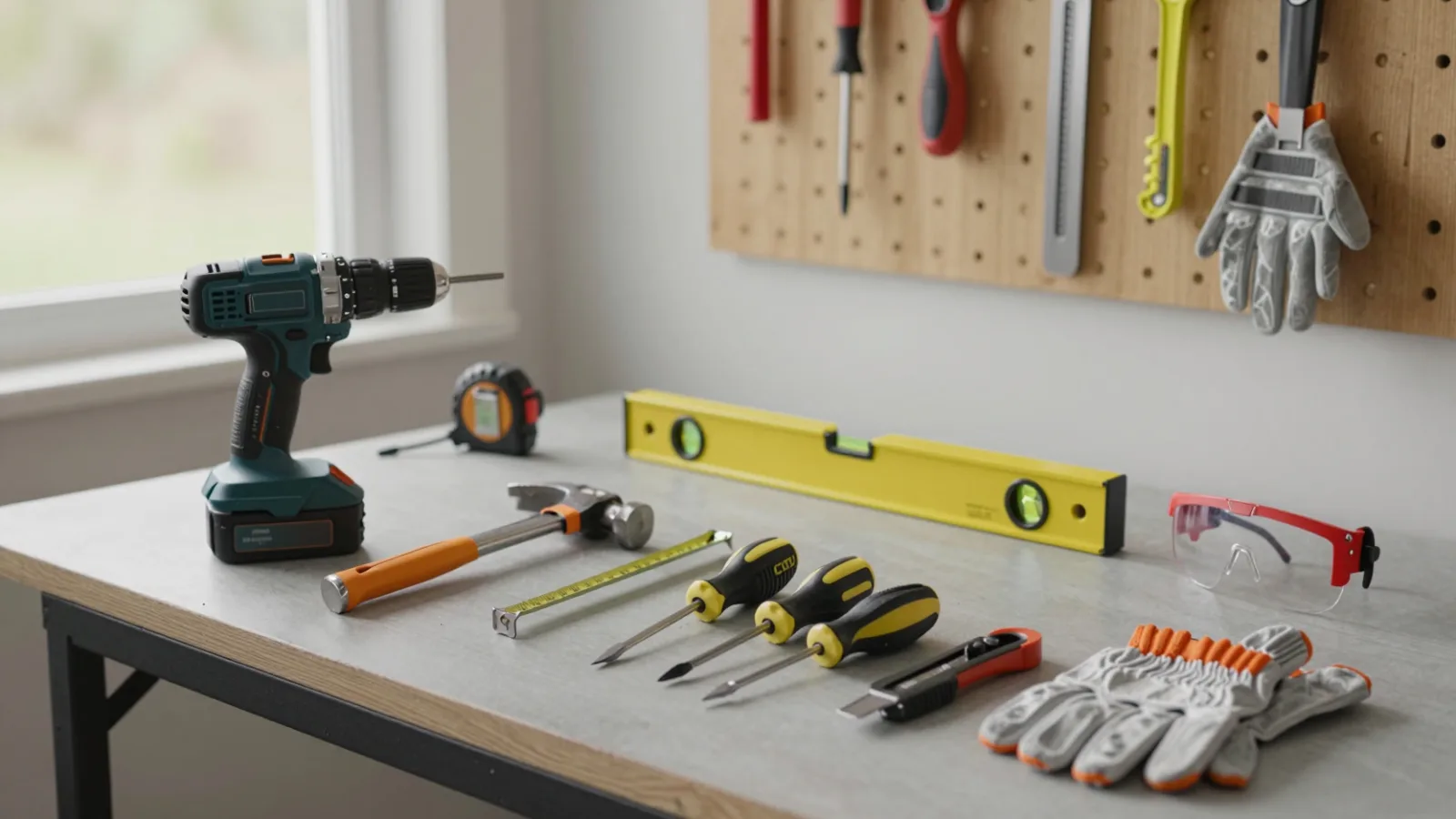
Getting started with home improvement
Doing small jobs yourself saves money, and it teaches you how your home works, which helps you spot problems early. The key is starting with projects that match your skills and knowing where to stop.
Our guide to DIY home improvement for beginners covers the basic tool kit worth buying, safety essentials, easy projects to build confidence, and which jobs to leave to licensed professionals.
Many of the most useful DIY jobs are about prevention: caulking, sealing drafts, cleaning gutters and replacing filters. Our home maintenance checklist lists them by season, and how to winterize your home covers fall jobs in detail.
Projects that cut energy use often pay for themselves; see how to make your home more energy efficient. For projects outside, see the Garden section, including how to plan a patio or deck.
When to hire a professional
Many projects need a licensed pro, or are simply better done by one. Our Home services section covers how to hire a contractor, from finding and checking pros to the contract and the final payment, along with guides to heating and cooling companies, pest control and home warranties.
Before any big project, check permits, get several written quotes for any work you hire out, and let your insurer know about major renovations.
Common questions
Painting a room, patching small holes in drywall, caulking a tub or window, replacing cabinet hardware, hanging shelves and swapping a showerhead are all good projects to learn on. They need few tools and are easy to redo if something goes wrong.
Hire a licensed pro for gas lines, most electrical work beyond replacing a fixture on an existing circuit, structural changes, roofing and anything that needs a permit you can't pull yourself. A mistake in these areas can be dangerous and may affect your homeowners insurance.
Cosmetic work like painting and flooring usually doesn't, but electrical, plumbing, structural changes, decks and additions often do. Rules vary by town, so check with your local building department before you start.