How to Prepare Your Garden for Winter
A few hours of fall garden work protects your plants through the cold and gives you a head start in spring. Here's a simple checklist for beds, vegetables, shrubs, lawns, containers and tools.
By Pond.com editors Updated 3 min read
Quick answer
- Clear out diseased plants and finished vegetables, but leave some seed heads and stems for birds and beneficial insects.
- Add compost to empty beds and mulch around perennials and shrubs after the ground starts to cool.
- Keep watering trees and shrubs, especially evergreens, until the ground freezes.
- Plant spring bulbs and garlic in fall, before the ground freezes.
- Drain hoses, clean and oil tools, and bring in pots that could crack in freezing weather.
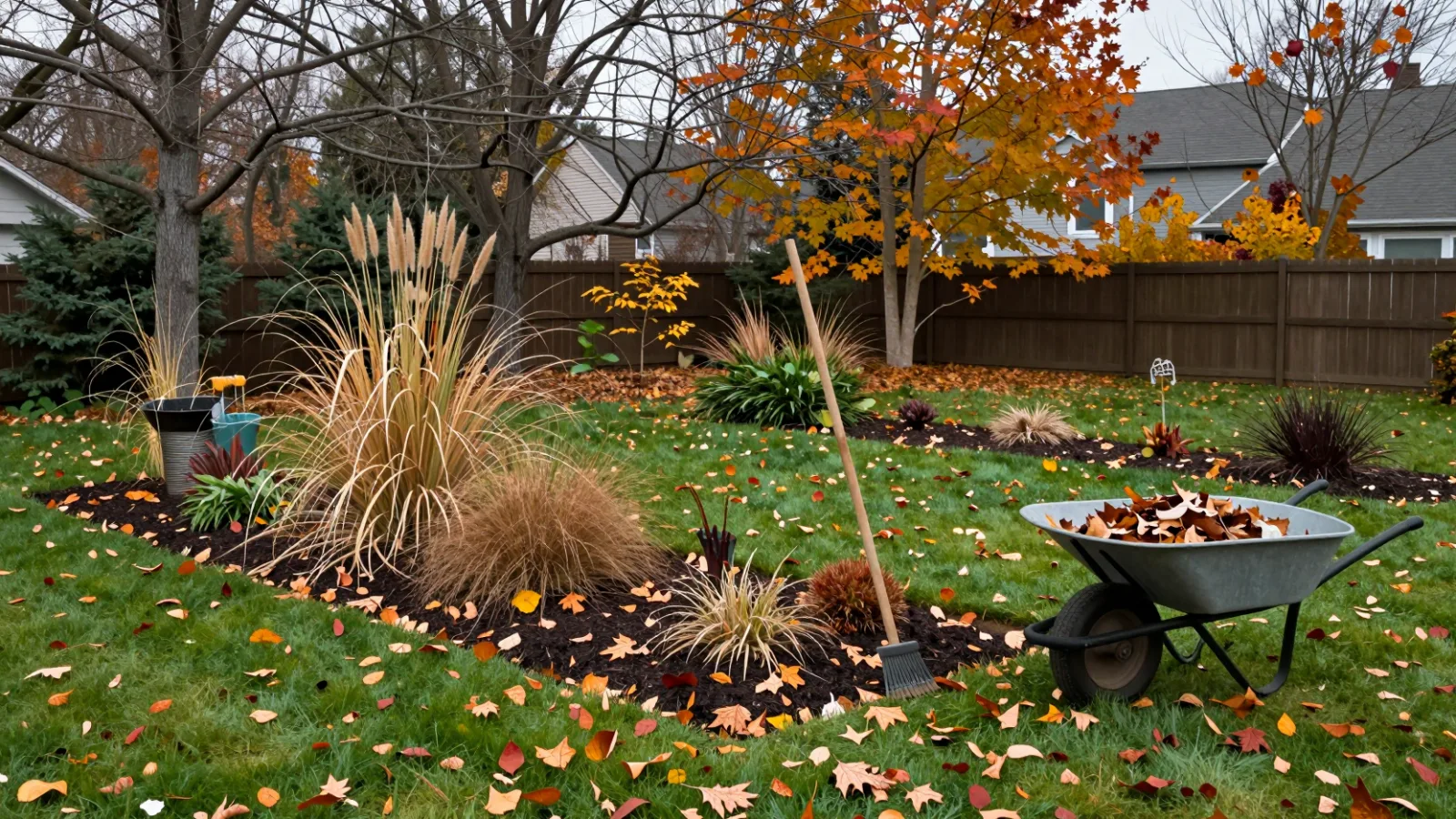
Fall is the time to put the garden to bed. A few hours of work now protects your plants from cold and wind, cuts down on pests and diseases next year, and makes spring much easier. You don't need to make everything tidy, though. Leaving some stems and leaves helps wildlife and the soil.
Timing depends on where you live. Use your first frost date as a guide; your county's cooperative extension office can tell you what's typical for your area.
Beds and borders
- Remove diseased plants and anything with mildew, blight or pests, and put them in the trash, not the compost.
- Leave healthy seed heads and sturdy stems on plants such as coneflowers, black-eyed Susans and ornamental grasses. They feed birds and shelter beneficial insects over winter.
- Pull weeds before they drop seed.
- Divide crowded perennials such as daylilies and hostas in early fall, so they can root before the ground freezes.
Vegetables
- Clear out finished crops, and compost healthy plant material.
- Spread 2 to 3 inches of compost over empty beds, or plant a cover crop such as winter rye, to protect and feed the soil.
- Plant garlic a few weeks before the ground freezes, for a summer harvest.
- Keep harvesting cold-hardy crops such as kale, carrots and leeks, which often taste sweeter after a frost.
See our guide to starting a vegetable garden for planning next year's beds.
Trees, shrubs and roses
- Water deeply until the ground freezes, especially evergreens and anything planted this year.
- Mulch with 2 to 3 inches of shredded bark or leaves after the soil cools, keeping it a few inches away from trunks and stems.
- Wrap young, thin-barked trees with tree guards where rabbits, deer or sunscald are a problem.
- Protect tender roses by mounding soil or mulch over the base after the first hard frost.
- Hold off on pruning most shrubs until late winter or spring. Pruning now can encourage new growth that frost will damage.
Plant spring bulbs
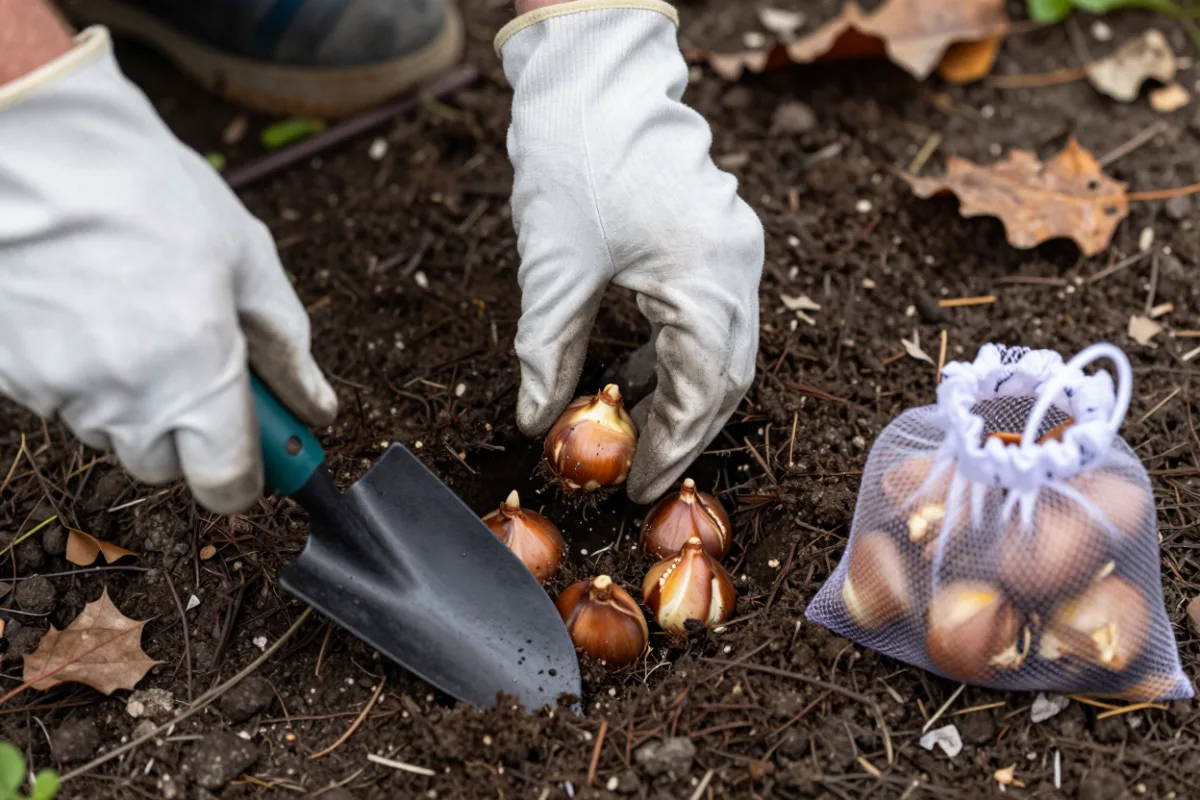
Fall is the time to plant tulips, daffodils, crocuses, alliums and other spring bulbs. Plant them before the ground freezes, usually about two to three times as deep as the bulb is tall, pointy end up.
Lawn
- Keep mowing until the grass stops growing, lowering the height slightly for the last cut.
- Rake or mulch leaves so they don't smother the grass. Shredded leaves can go on beds.
- Fertilize cool-season lawns in fall if you fertilize at all; it's often the most useful feeding of the year.
See our lawn care guide for more.
Containers, hoses and tools
- Bring in terracotta and ceramic pots, or empty them and store them upside down, so freezing water doesn't crack them.
- Move tender plants indoors, such as geraniums, tropical plants and herbs like rosemary in cold areas.
- Drain and coil hoses, and shut off outdoor faucets where it freezes.
- Clean, sharpen and oil tools before storing them. See our guide to garden tools.
Common questions
You don't have to cut back everything. Remove diseased or floppy foliage, but leaving sturdy stems and seed heads through winter feeds birds, shelters beneficial insects and adds winter interest. Cut them back in early spring before new growth appears.
After the soil has cooled and plants are dormant, often after the first hard frost. Mulching too early can keep the soil warm and delay dormancy, and can invite rodents to nest.
Yes. Water trees, shrubs and especially evergreens deeply in fall until the ground freezes, so they go into winter well hydrated. Dry evergreens are more likely to suffer winter burn.
Spring-flowering bulbs such as tulips, daffodils and crocuses, garlic, and many trees, shrubs and perennials. Cool soil and fall rain help roots establish before spring.
A layer of shredded leaves makes good mulch for beds. Whole leaves can mat down and smother small plants, so shred them with a mower first. Don't leave thick leaf layers on the lawn.