Garden Pests: How to Identify and Control Them
Most garden pest problems can be solved without strong chemicals. Here's how to identify common pests and diseases, prevent them, and deal with them in a way that's safe for pollinators, pets and ponds.
By Pond.com editors Updated 4 min read
Quick answer
- Identify the problem before treating it. Many insects in the garden are harmless or helpful.
- Prevention works best. Healthy plants in the right spot, good spacing and clean tools stop most problems.
- Start with the gentlest fix, such as picking pests off by hand, a strong spray of water or a barrier.
- If you need a spray, choose the least toxic option, such as insecticidal soap, and never spray open flowers.
- Keep pesticides well away from ponds and streams. Many are highly toxic to fish.
Finding holes in your leaves or bugs on your roses is part of gardening. The good news is that most problems can be solved without strong chemicals, and many "pests" do little real harm. The key is to identify what's going on before you reach for a spray.
This guide uses an approach called integrated pest management, or IPM. It's how professional growers and extension services deal with pests: understand the problem, prevent it, and use the gentlest fix that works.
Step 1: Identify the problem
Before treating anything, work out what's causing the damage.
- Look closely, including the undersides of leaves and the stems. Many pests hide there.
- Check at different times. Slugs and many caterpillars feed at night.
- Look at the pattern. Ragged holes suggest slugs or caterpillars; stippled, pale leaves suggest spider mites; sticky leaves suggest aphids or scale.
- Get help if you're not sure. Your county's cooperative extension office, often through its Master Gardener program, can identify pests and diseases from a photo or a sample, usually for free.
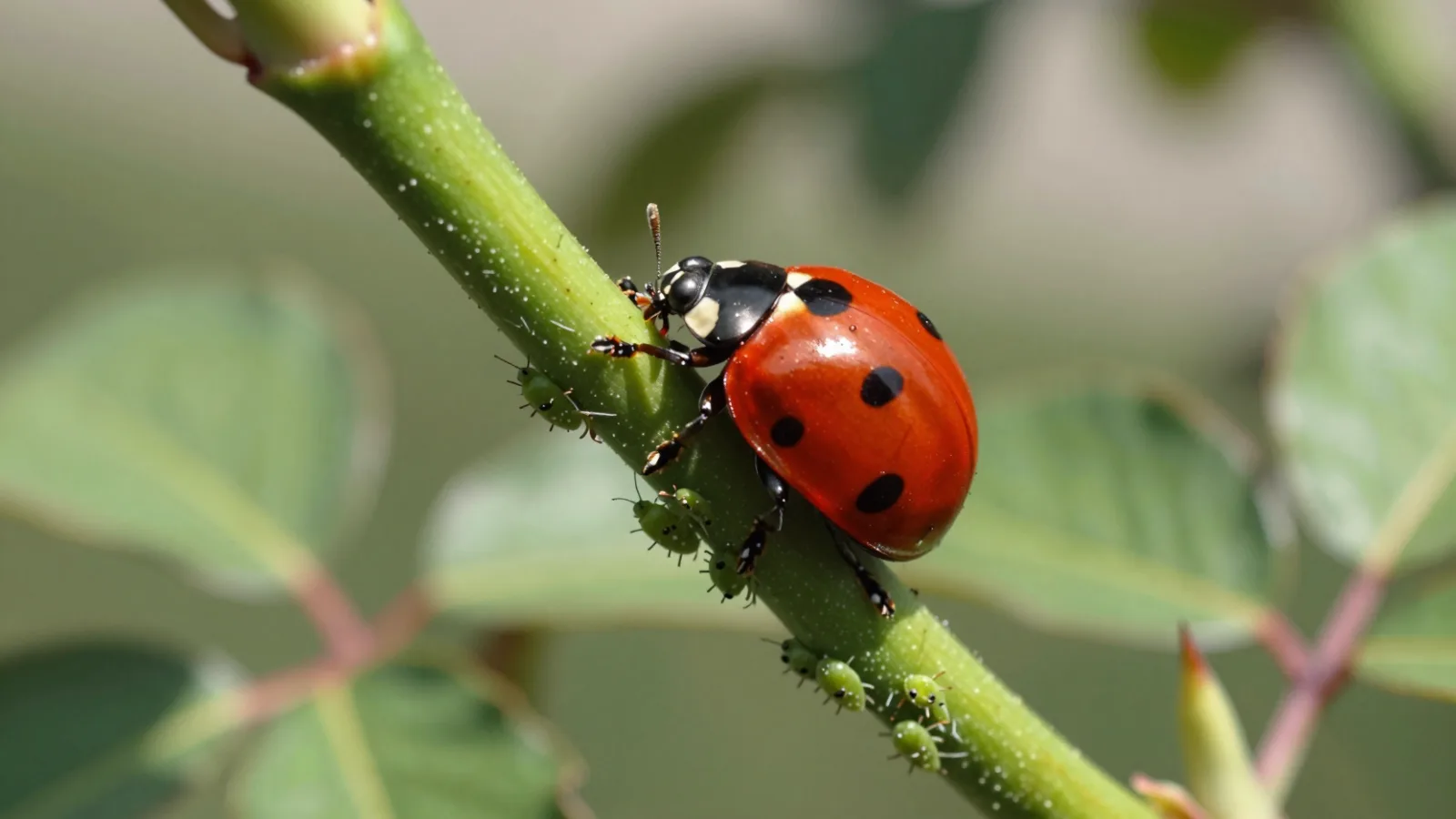
Remember that most insects in a garden are harmless or helpful. Ladybugs, lacewings, hoverflies, ground beetles, spiders and parasitic wasps all eat pests.
Common garden pests and what to do
| Pest | Signs | Gentle fixes |
|---|---|---|
| Aphids | Clusters of small green, black or pink insects on new growth; sticky leaves | Strong spray of water; encourage ladybugs; insecticidal soap |
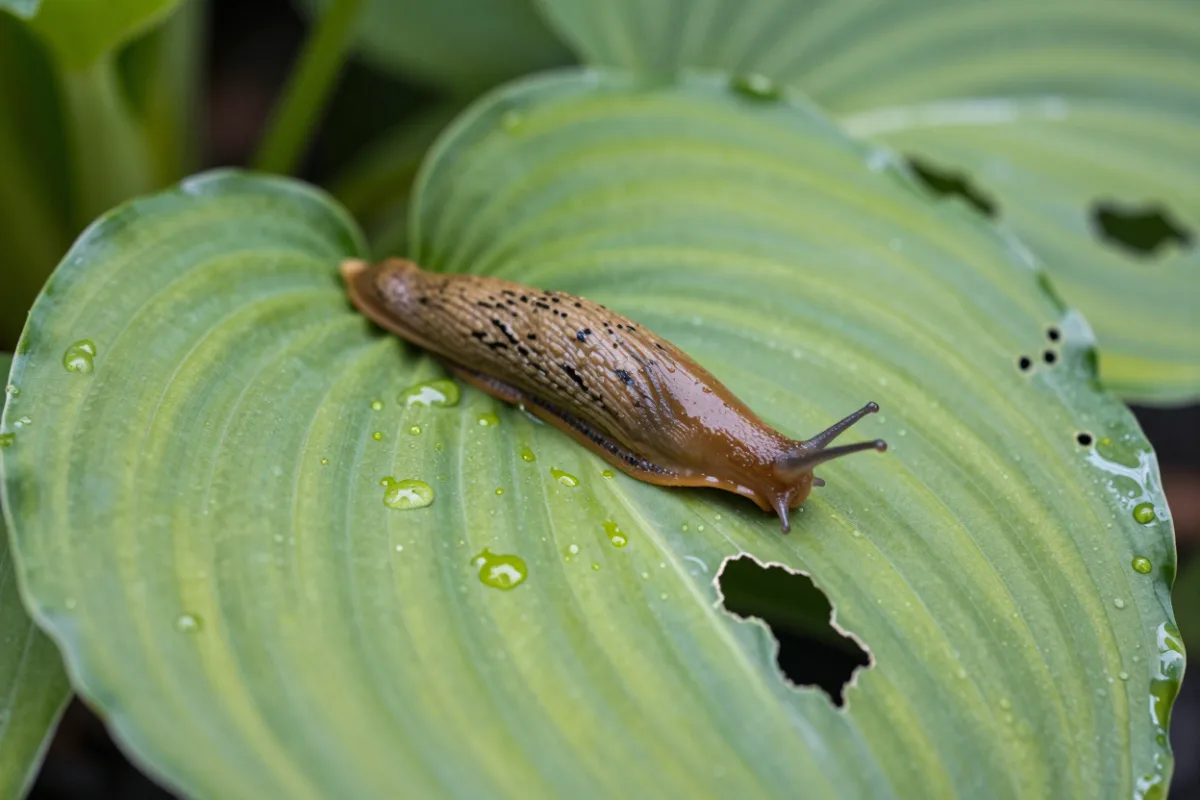
| Slugs and snails | Ragged holes, slime trails, damage overnight | Hand-pick at dusk; beer traps; iron phosphate bait |
| Japanese beetles | Lacy, skeletonized leaves in midsummer | Hand-pick into soapy water early in the morning |
| Tomato hornworms | Big green caterpillars; leaves stripped fast | Hand-pick; leave any covered in white cocoons, which are parasitic wasps at work |
| Cabbage worms | Holes in cabbage, kale and broccoli; small green caterpillars | Row covers; hand-pick; Bt spray (a natural bacterium that targets caterpillars) |
| Spider mites | Pale, speckled leaves and fine webbing in hot, dry weather | Spray leaves with water; insecticidal soap |
| Deer and rabbits | Stems cut cleanly or torn; whole plants eaten | Fencing; repellents; choose plants they avoid |
Common plant diseases and problems
| Problem | Signs | What to do |
|---|---|---|
| Powdery mildew | White, powdery coating on leaves | Improve airflow; water the soil, not leaves; remove badly affected leaves; choose resistant varieties |
| Early blight on tomatoes | Brown spots with rings on lower leaves | Remove affected leaves; mulch; water at the base; rotate crops |
| Root rot | Wilting even though the soil is wet | Water less; improve drainage; don't plant in soggy spots |
| Blossom end rot | Dark, sunken patches on the bottom of tomatoes | Water evenly and deeply; mulch to keep moisture steady |
| Yellowing leaves | Older leaves turn yellow first | Check for overwatering first; feed if the soil is dry and poor |
Step 2: Prevent problems
Prevention does more than any spray.
- Right plant, right place. Plants that suit your sun, soil and climate are stronger and resist pests better. See our guide to choosing the right plants.
- Healthy soil. Add compost every year.
- Good spacing and airflow. Crowded plants stay damp, which encourages disease.
- Water the soil, in the morning. Wet leaves overnight invite fungal disease.
- Rotate vegetable crops. Don't grow the same family in the same spot every year.
- Clean up. Remove diseased leaves (bin them; don't compost them), and clean pruners between plants.
- Invite helpers. Flowers such as yarrow, dill and alyssum attract insects that eat pests.
Step 3: Use the gentlest fix first
Work up from the gentlest option, and stop as soon as one works:
- Tolerate a little damage. A few holes in leaves don't hurt a healthy plant.
- Physical methods: hand-picking, a strong spray of water, traps, barriers and row covers.
- Biological help: encourage beneficial insects, or use targeted biological products such as Bt for caterpillars.
- Least-toxic sprays: insecticidal soap and horticultural oil. They work on contact, so cover the pests directly.
- Stronger pesticides as a last resort, following the label exactly.
Pests near a pond
If you have a garden pond, it brings extra help and extra care:
- Frogs, toads and dragonflies that live around ponds eat huge numbers of slugs and insects.
- Fish eat mosquito larvae, so a pond with fish rarely breeds mosquitoes.
- Keep slug pellets, fertilizer and sprays well away from the water.
See our fish pond guide for more on making a pond wildlife-friendly.
Common questions
Knock them off with a strong spray of water, and let ladybugs and lacewings do the rest. If numbers keep building, spray the affected stems with insecticidal soap, covering the undersides of leaves.
Hand-pick them in the evening, set beer traps, and use slug baits made with iron phosphate, which is much safer around pets and wildlife than older metaldehyde baits.
They catch beetles, but research suggests they can attract more beetles into your yard than they catch. Hand-picking beetles into a bucket of soapy water in the early morning is more effective for small gardens.
The most common causes are overwatering, poor drainage or a lack of nitrogen. Check the soil moisture first. If the soil is soggy, water less. If it's dry and the older leaves are yellowing, a balanced fertilizer may help.
Your county's cooperative extension office, often through a Master Gardener program. Many will identify pests and diseases from a photo or a sample for free.