Small Garden Ideas: Making the Most of a Small Yard
A small yard can feel bigger, work harder and look better with the right design. Here are practical ideas for layout, plants, vertical growing, containers, seating and lighting that make the most of every square foot.
By Pond.com editors Updated 2 min read
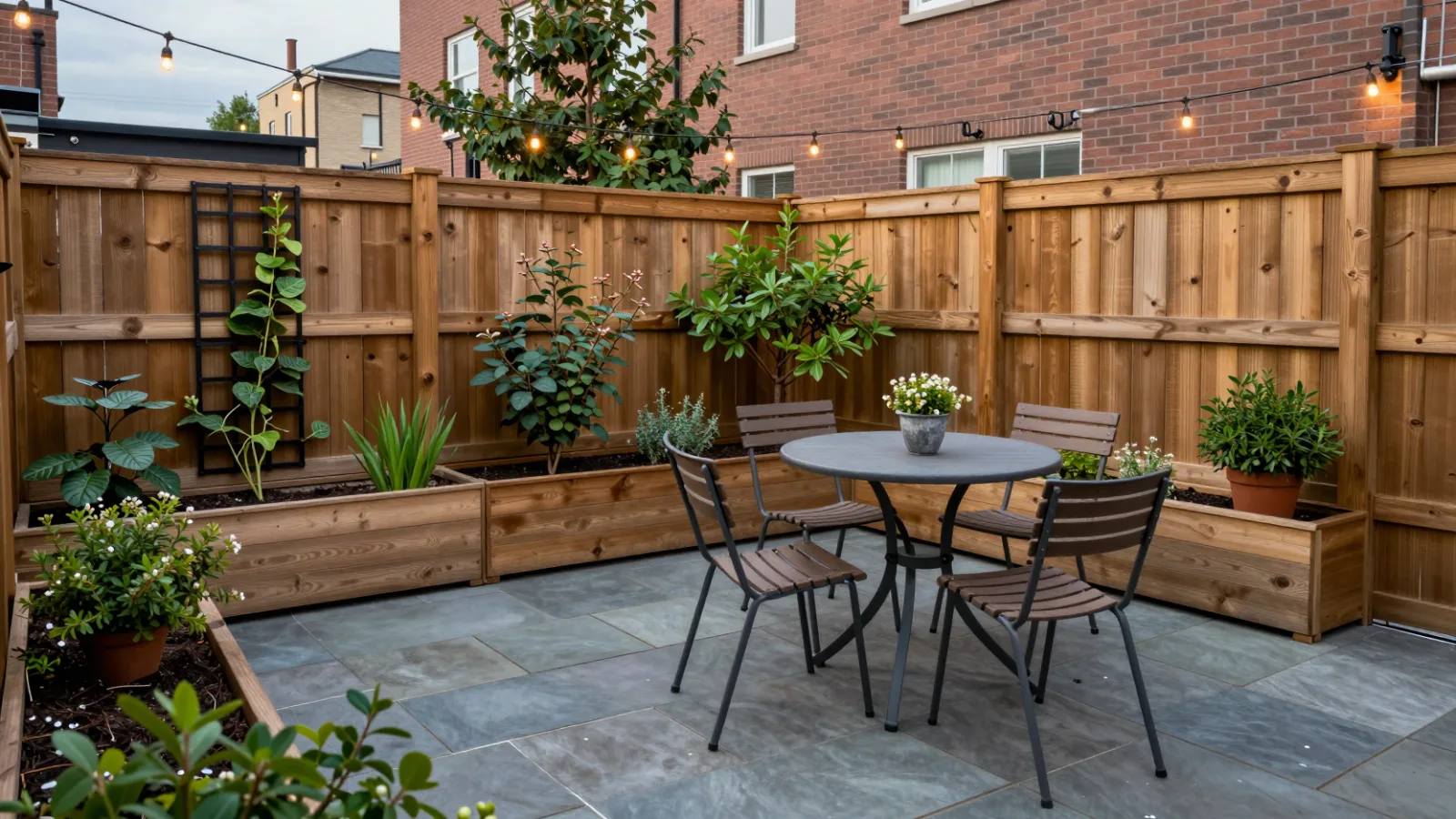
Quick answer
- Plan the space around how you'll use it, with one main seating or dining area.
- Use paths and diagonal lines to make the yard feel longer and wider.
- Grow up with trellises, wall planters and climbing plants to save floor space.
- Choose compact, multi-season plants and repeat them, rather than many different ones.
- Use containers for flexibility, and lighting to extend the space into the evening.
Small gardens can be some of the most rewarding to design. With less space, every choice counts, and a few clever ideas can make a small yard feel larger, more private and much more useful.
Plan around how you'll use it
Decide what matters most, such as a place to eat outdoors, a quiet seat, a play area or growing food, and design around that. Trying to fit in everything usually makes a small space feel cluttered. Our guide to planning a garden layout shows how to map your yard before you start.
Tricks to make it feel bigger
- Go diagonal: lay paving or paths at an angle to make the space feel wider.
- Hide the edges: plant along fences so the boundary disappears into greenery.
- Create a destination: a bench, pot or small water feature at the far end draws the eye through the space.
- Limit materials and colors: two or three materials and a simple color scheme look calmer and more spacious.
- Use different levels: a step, a raised bed or a low wall adds interest without taking much space.
Grow up, not out
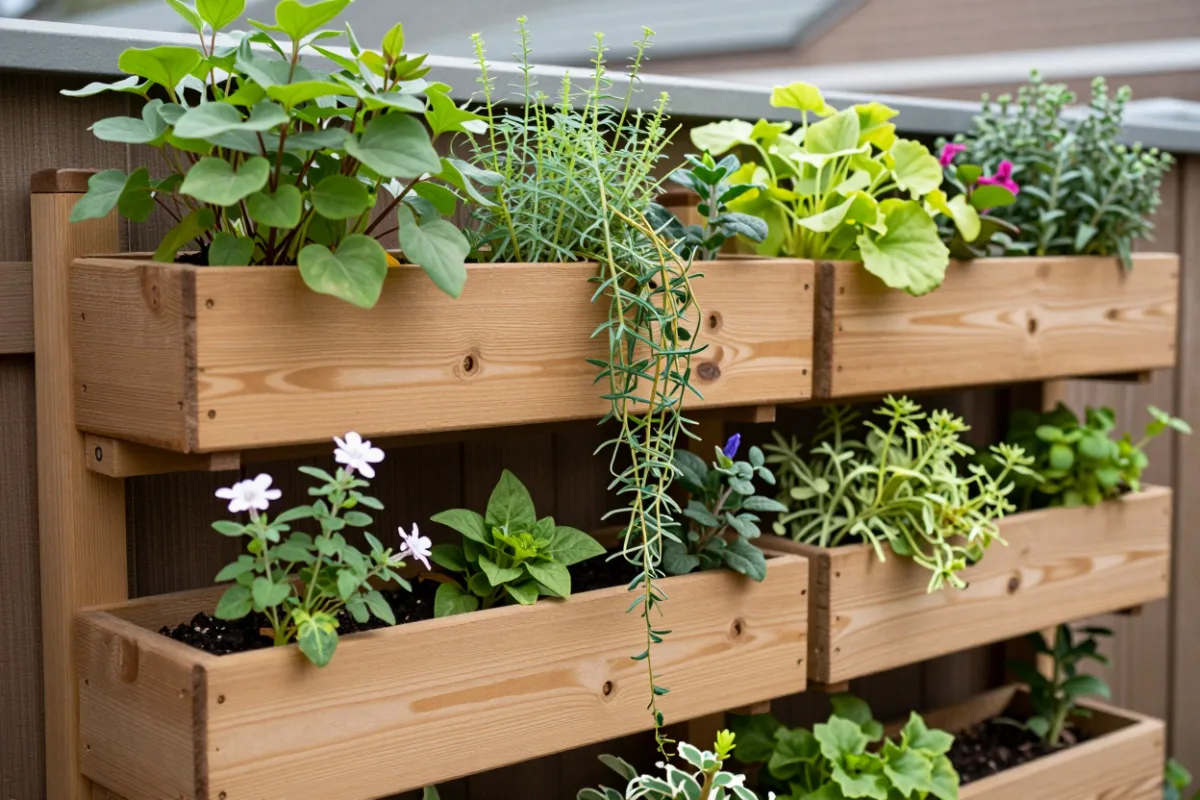
- Climbers on trellises cover fences and walls with flowers and foliage.
- Wall planters and pocket planters hold herbs, salad greens and trailing flowers.
- Espaliered fruit trees grow flat against a wall or fence.
Choose plants that earn their space
- Multi-season plants: flowers, fall color, berries or winter bark.
- Compact varieties of shrubs and trees that won't outgrow the space.
- Repetition: repeating a few plants looks better than many single plants.
- Right plant, right place: see how to choose the right plants.
Use containers
Pots let you move plants around, try new things and garden on hard surfaces. Group pots in odd numbers and different heights for a fuller look. For food, see best herbs to grow for beginners and how to build a raised garden bed.
Seating, water and light
- Built-in or folding seating saves space.
- A small water feature adds sound and a focal point; see small water features for patios.
- Outdoor lighting lets you use the garden into the evening; see outdoor lighting ideas.
Common questions
Keep the layout simple, use a limited color palette, run paths or paving on a diagonal, and hide the boundaries with planting so the eye can't see exactly where the yard ends. A mirror or a focal point at the far end draws the eye through the space.
Compact shrubs, small trees with year-round interest, climbers for walls and fences, and perennials with long flowering seasons. Choose plants that look good for several seasons, since every plant has to earn its space.
Yes. A raised bed, containers on a sunny patio or vertical supports for climbing crops like beans and cucumbers can produce a lot from a small space. Herbs and salad greens are especially productive.