Maintenance
Keeping your car safe and reliable with regular maintenance, seasonal checks, winter preparation and knowing the warning signs of common problems.
Maintenance basics
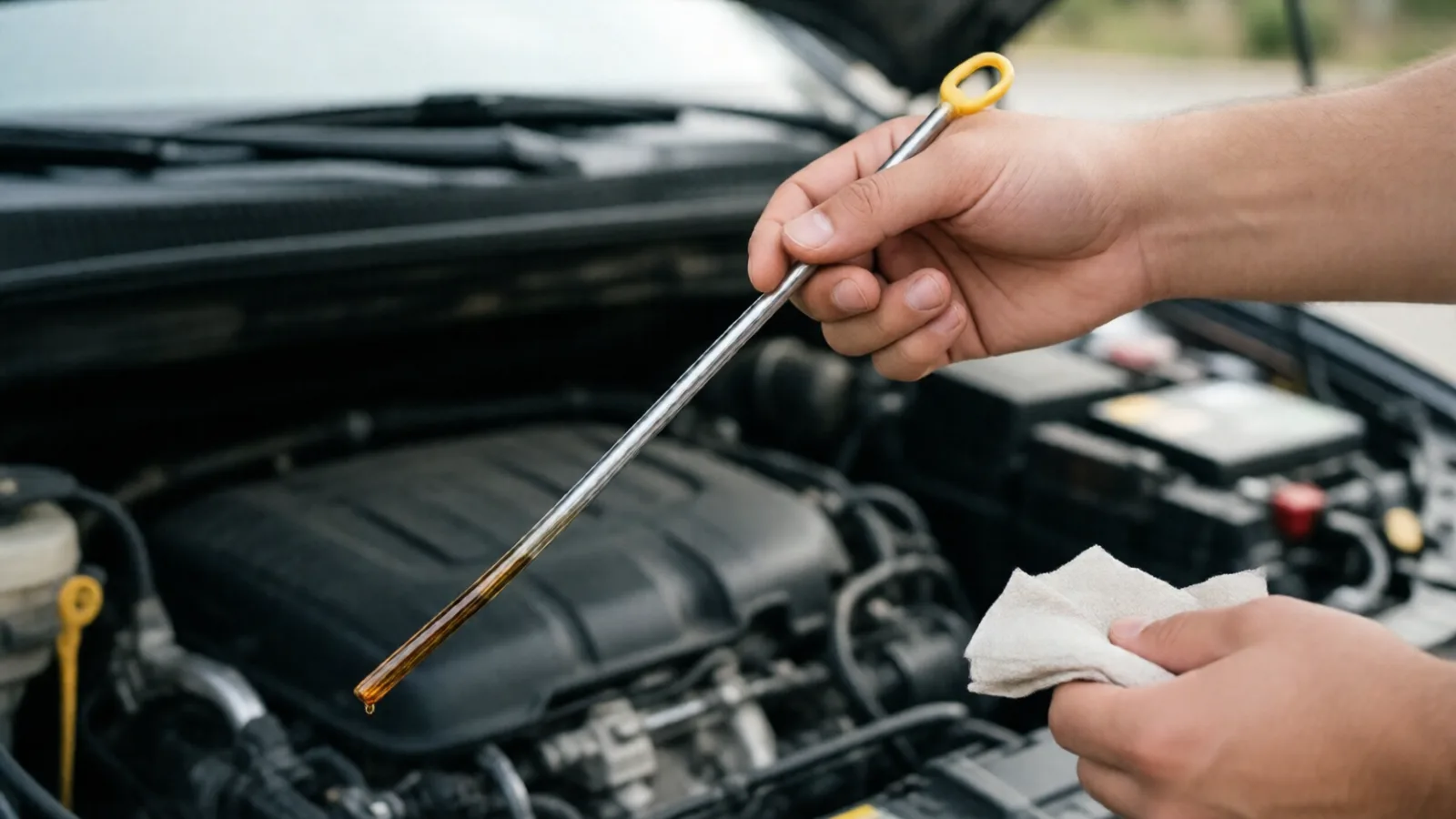
Keeping your car in good shape
Regular maintenance is the cheapest way to keep a car safe, reliable and worth more when you sell it. Small jobs done on time, like oil changes, tire rotations and brake checks, prevent much bigger repair bills later.
Our car maintenance schedule shows what to check and when, from monthly checks you can do yourself to services at key mileage milestones.
Winter is hard on cars, so prepare before the cold arrives:
- How to winterize your car: battery, tires, fluids, wipers and a winter emergency kit
- Winter driving safety checklist: driving on snow and ice, recovering from a skid and what to do if you're stranded
- How to tell if your car battery is dying: warning signs, testing and jump-starting safely
Maintenance is a big part of the true cost of owning a car, so budget for it. Before a long drive, see how to plan a road trip. Roadside assistance, through your insurer or a motor club, is worth having for breakdowns.
Common questions
Dashboard warning lights, new noises such as squealing or grinding brakes, vibrations, pulling to one side, fluid leaks under the car, a burning smell or a change in how the car starts all deserve a prompt check by a mechanic.
Checking tire pressure and tread, topping up washer fluid, replacing wiper blades and the engine and cabin air filters, and checking oil and other fluid levels are all easy for most owners. Leave brakes, timing belts and anything safety-critical to a qualified mechanic unless you're experienced.
Enter your car's 17-character VIN on NHTSA's recall lookup at nhtsa.gov/recalls. Recall repairs are done free at dealerships.