Garden Design
Planning a garden that works for your yard and how you use it, from mapping sun and shade to laying out beds, paths and focal points.
Planning your garden
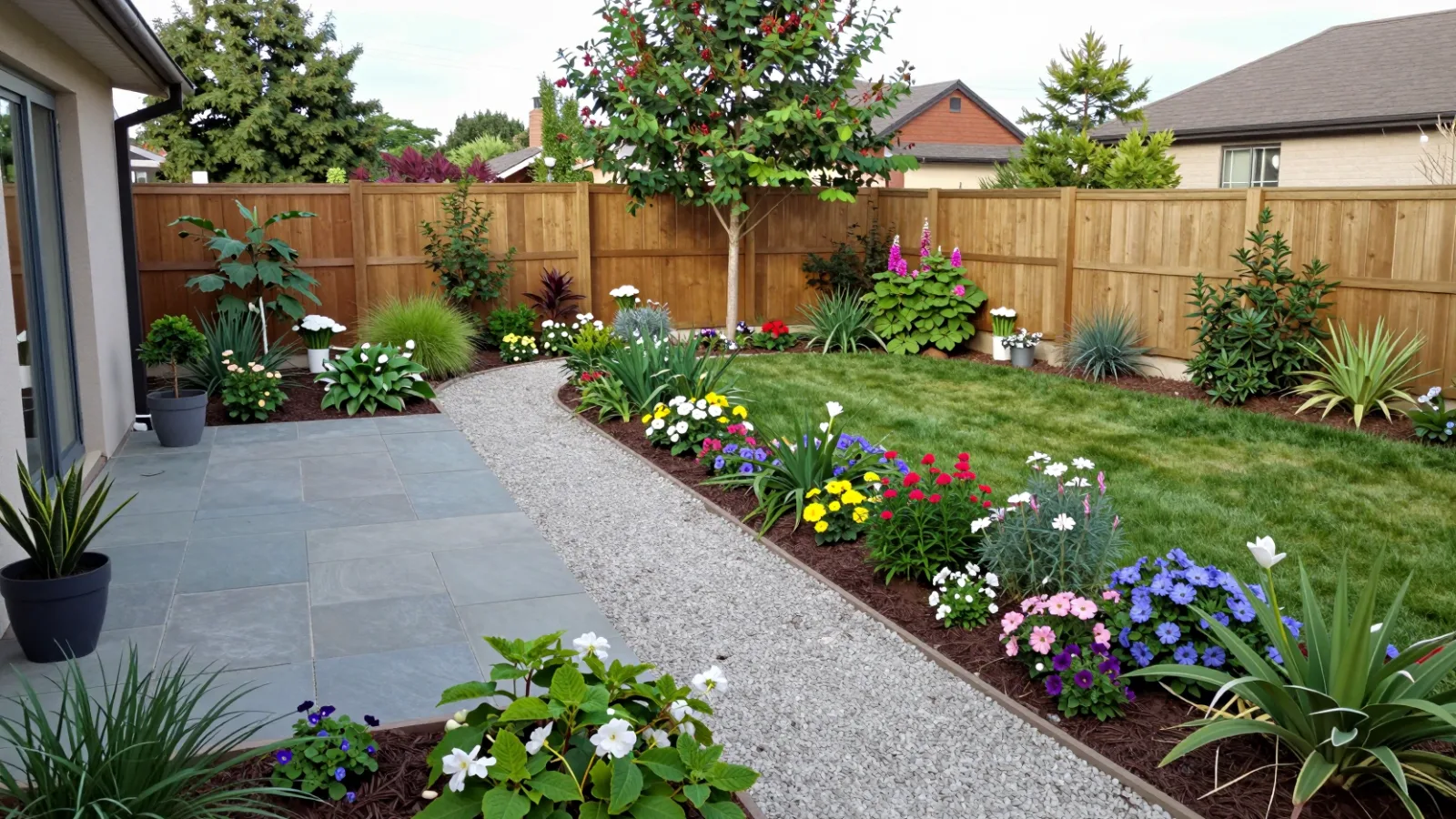
Designing your garden
A well-designed garden fits the way you live and suits the conditions you have. Most of that comes from planning on paper first, so you place beds, paths and seating where they work best and choose plants that will be happy there.
Our step-by-step guide to planning a garden layout walks you through measuring your yard, mapping sun and shade, deciding how you will use each area and turning that into a simple plan you can build in stages.
Good design depends on the right plants. How to choose the right plants explains USDA hardiness zones, light and soil, and how to combine trees, shrubs and perennials for interest through the seasons.
To extend your living space outdoors, see how to plan a patio or deck. A pond makes a striking focal point too; our guide on how to build a pond shows where to start. If you want to grow food, plan space for a sunny bed using our vegetable garden guide.
Common questions
Start by measuring the yard and drawing a simple plan. Mark north, existing trees, structures and where the sun falls in the morning and afternoon. Then list how you want to use the space, such as seating, play, vegetables or privacy, before choosing any plants.
Repetition of a few plants and colors, clear paths and edges, plants arranged with taller ones at the back of beds, and a focal point such as a tree, bench or water feature. Leaving enough space between plants for their mature size also makes a big difference.
Choose plants suited to your zone and conditions, group plants with similar water needs, use mulch to suppress weeds, reduce lawn area if mowing is a chore, and favor shrubs and perennials over annuals that need replanting every year.