Pests & Problems
Identifying and fixing common garden problems, from insects and slugs to yellow leaves, wilting and disease, with safer methods first.
Pests and diseases
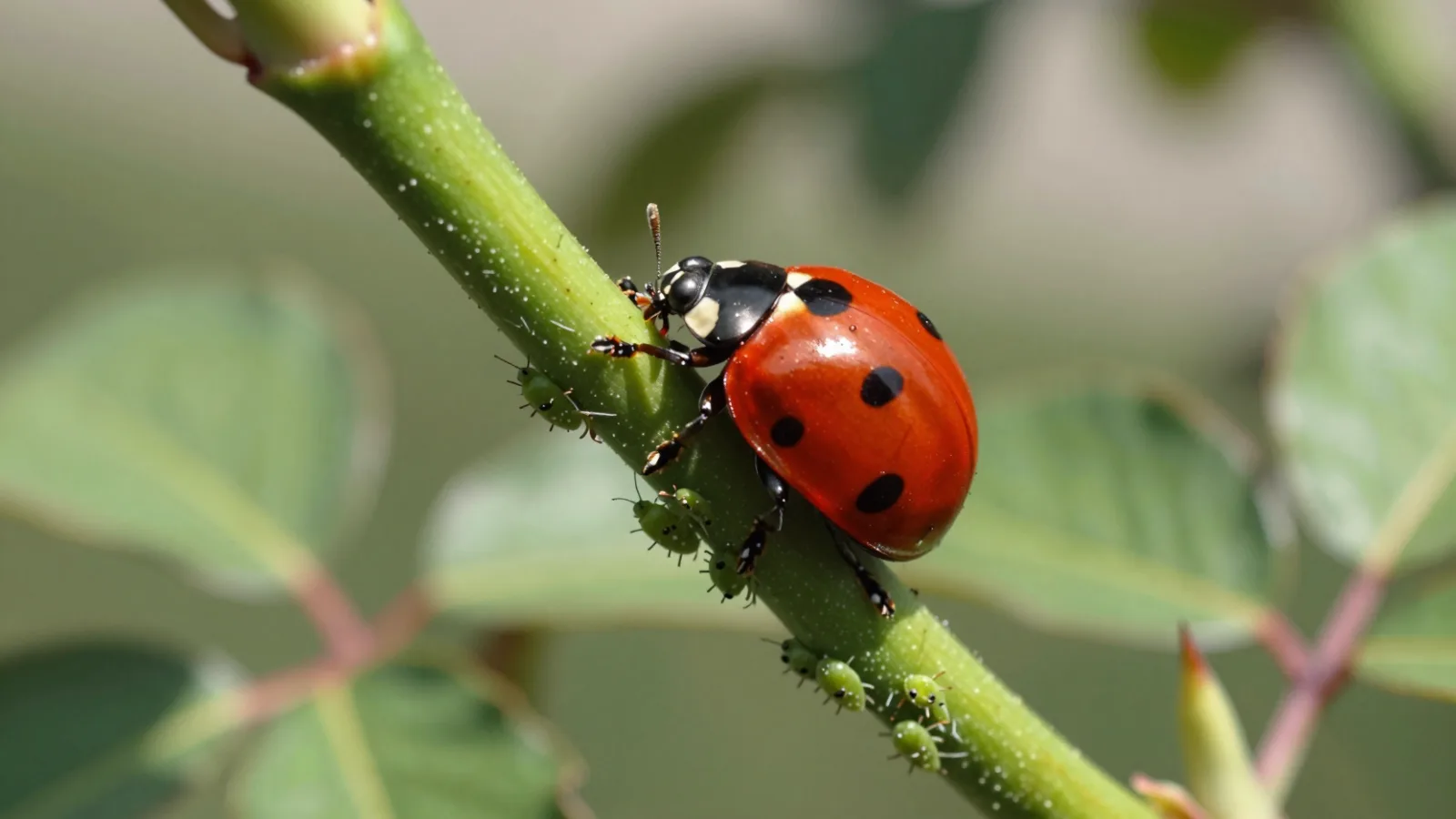
Fixing garden pests and problems
Most garden problems have a simple cause once you know what to look for. Before reaching for a spray, check the basics: is the plant getting the right light, water and soil for its needs? Stressed plants are far more likely to be attacked by pests and disease.
Our guide to garden pests helps you identify the most common insects and other pests in US gardens, with control methods from hand-picking and barriers to targeted treatments.
When leaves change color, why are my plant's leaves turning yellow? walks you through the usual causes, from watering problems and nutrient shortages to light and temperature.
Prevention is the best cure. Choosing plants suited to your conditions (how to choose the right plants), keeping beds tidy in fall (how to prepare your garden for winter) and protecting tender plants from cold (how to protect plants from frost) all keep plants strong. Pond owners dealing with green water should see pond algae.
Common questions
Start with the least harmful methods. Hand-pick larger pests, blast aphids off with water, use barriers and row covers, and encourage beneficial insects such as ladybugs. If you need a product, choose one labeled for that pest and plant, and follow the label exactly.
Wilting in wet soil often means the roots are damaged, usually from overwatering or poor drainage that leads to root rot. Let the soil dry out, improve drainage, and check the roots. Healthy roots are firm and white or light-colored, while rotting roots are brown and mushy.
Look closely, including under leaves. Holes, chewed edges, sticky residue or visible insects point to pests. Spots, powdery coatings, mold or soft rot usually mean a disease. Your local cooperative extension office can help identify problems for free or at low cost.