Smart Home
Getting started with smart home devices: which ones are genuinely useful, how they work together, and how to keep them private and secure.
Getting started
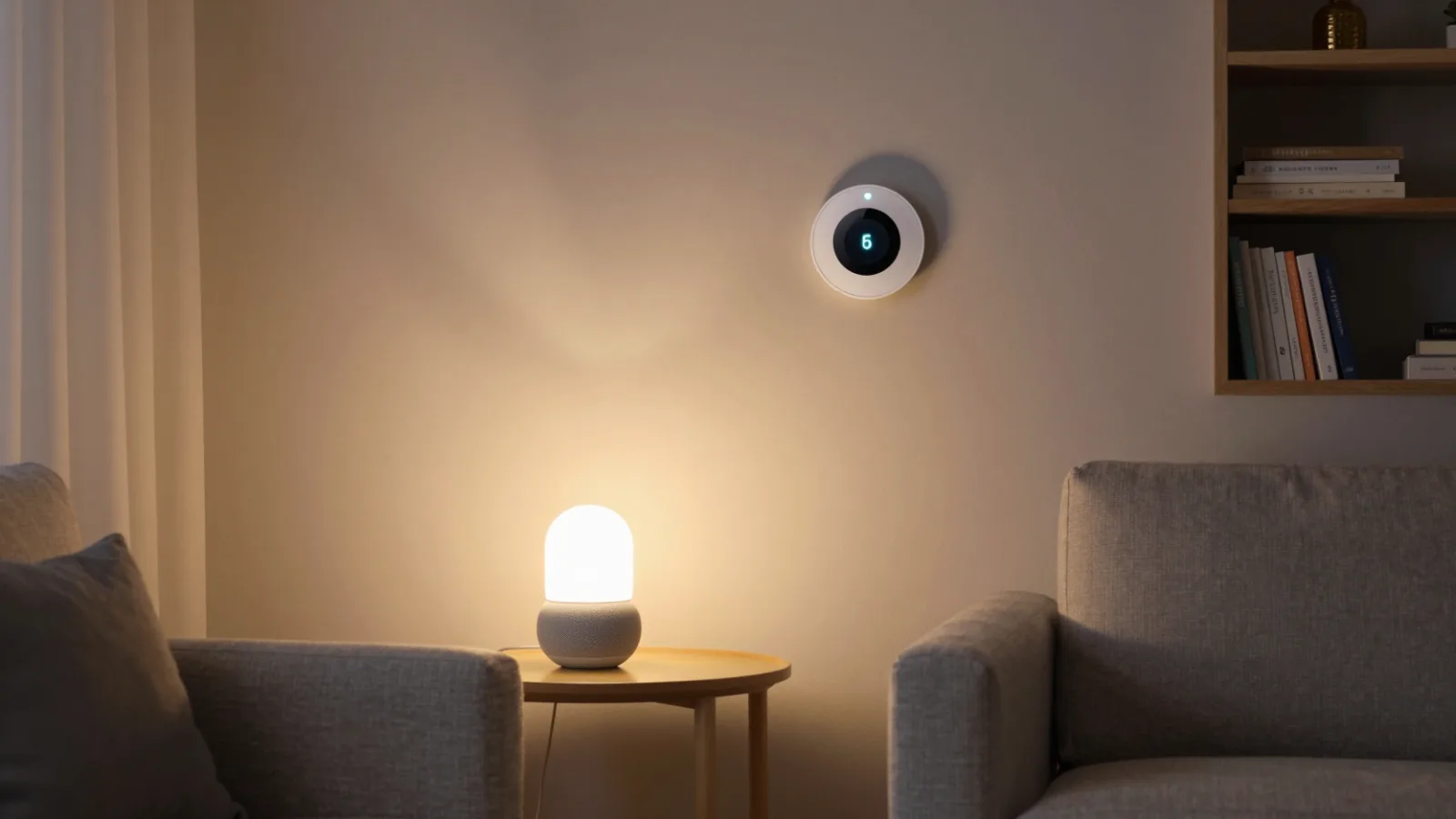
Getting started with a smart home
Smart home devices can save energy, add convenience and improve security, but only some are worth the money. The best approach is to start with one problem you want to solve, choose devices that work with the platform you already use, and build from there.
Our guide to smart home basics explains how smart homes work, which devices are most useful, how to choose a platform and how to set things up securely.
The devices with the clearest payoff are often energy-related. A smart or programmable thermostat helps you lower heating and cooling costs automatically; see how to lower your heating bill and how to make your home more energy efficient. Smart leak sensors and water shut-off valves can catch problems early, as covered in how to prevent frozen pipes.
Some home insurers offer discounts for monitored alarms, water leak sensors or smart smoke detectors, so ask yours before you buy.
Common questions
A smart thermostat or a few smart plugs or bulbs are good first devices. A thermostat can lower heating and cooling bills, while plugs and bulbs are cheap, easy to set up and help you learn how automations work.
Many do, especially those that support the Matter standard, which lets devices from different brands work with the major smart home platforms. Check that a device supports your chosen platform before you buy.
They can be, if you secure them. Use a strong, unique password for each account, turn on two-factor authentication, keep devices updated, and buy from brands that provide regular security updates. Consider putting smart devices on a separate guest network.