Ponds
Everything you need to plan, build and look after a backyard pond, from choosing a liner and pump to keeping the water clear and fish healthy all year.
Start here
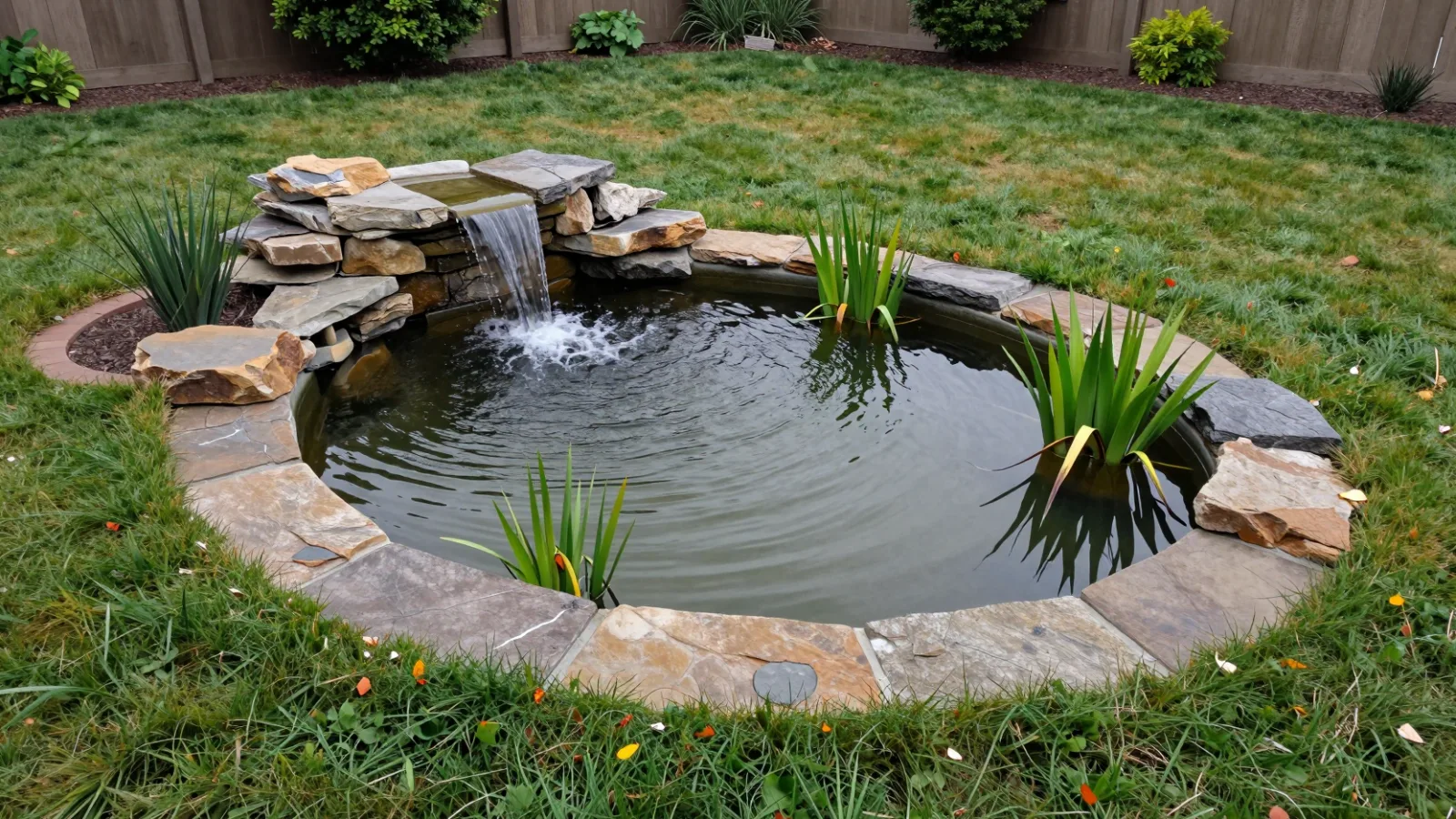
The complete pond guide
Our core guides, in the order most people need them.
- Step 1: Plan and build
- Step 2: Pumps and filtration
- Step 3: Plants and fish
- Step 4: Water features
- Step 5: Care and problems
Building a Pond
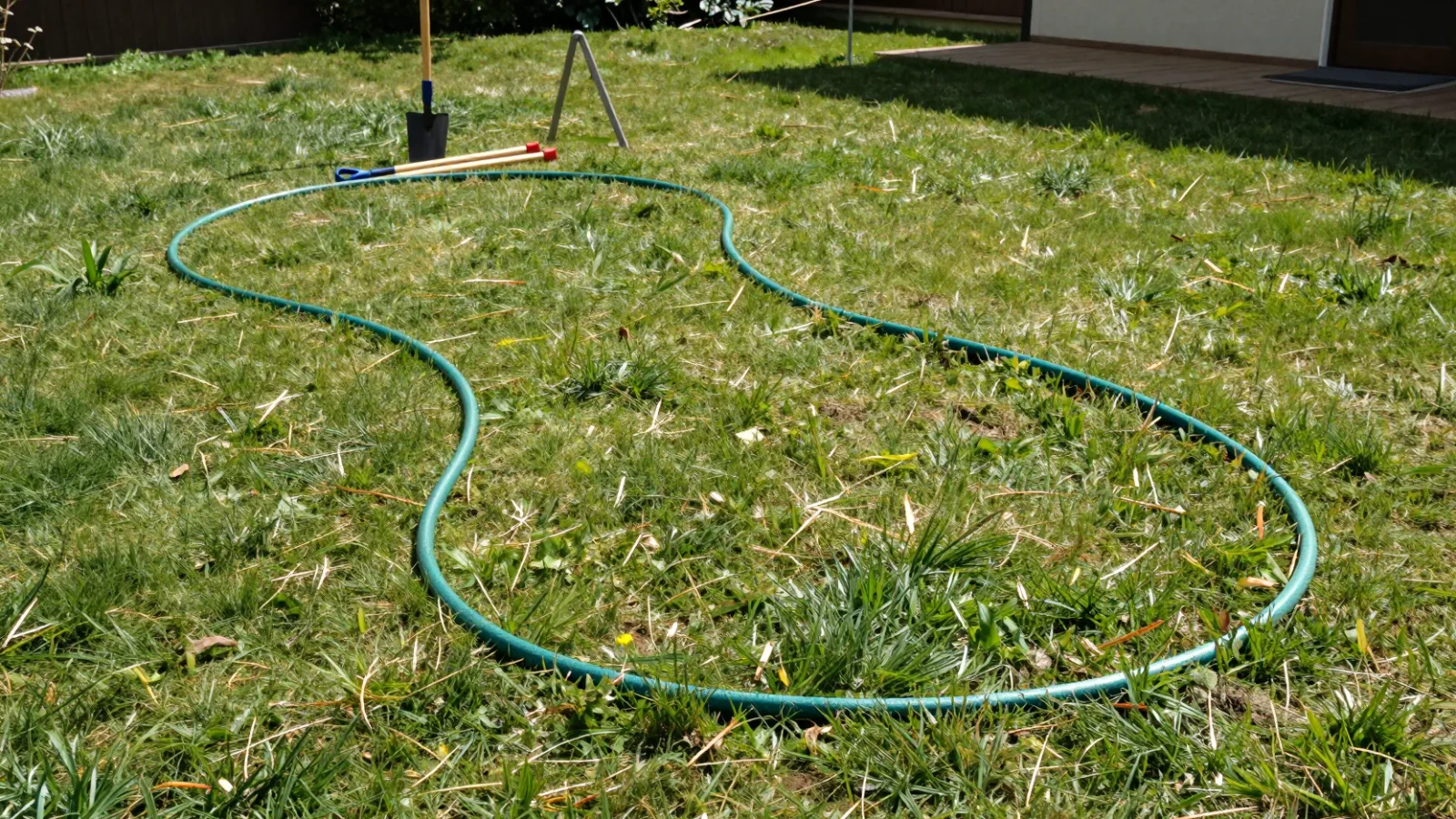
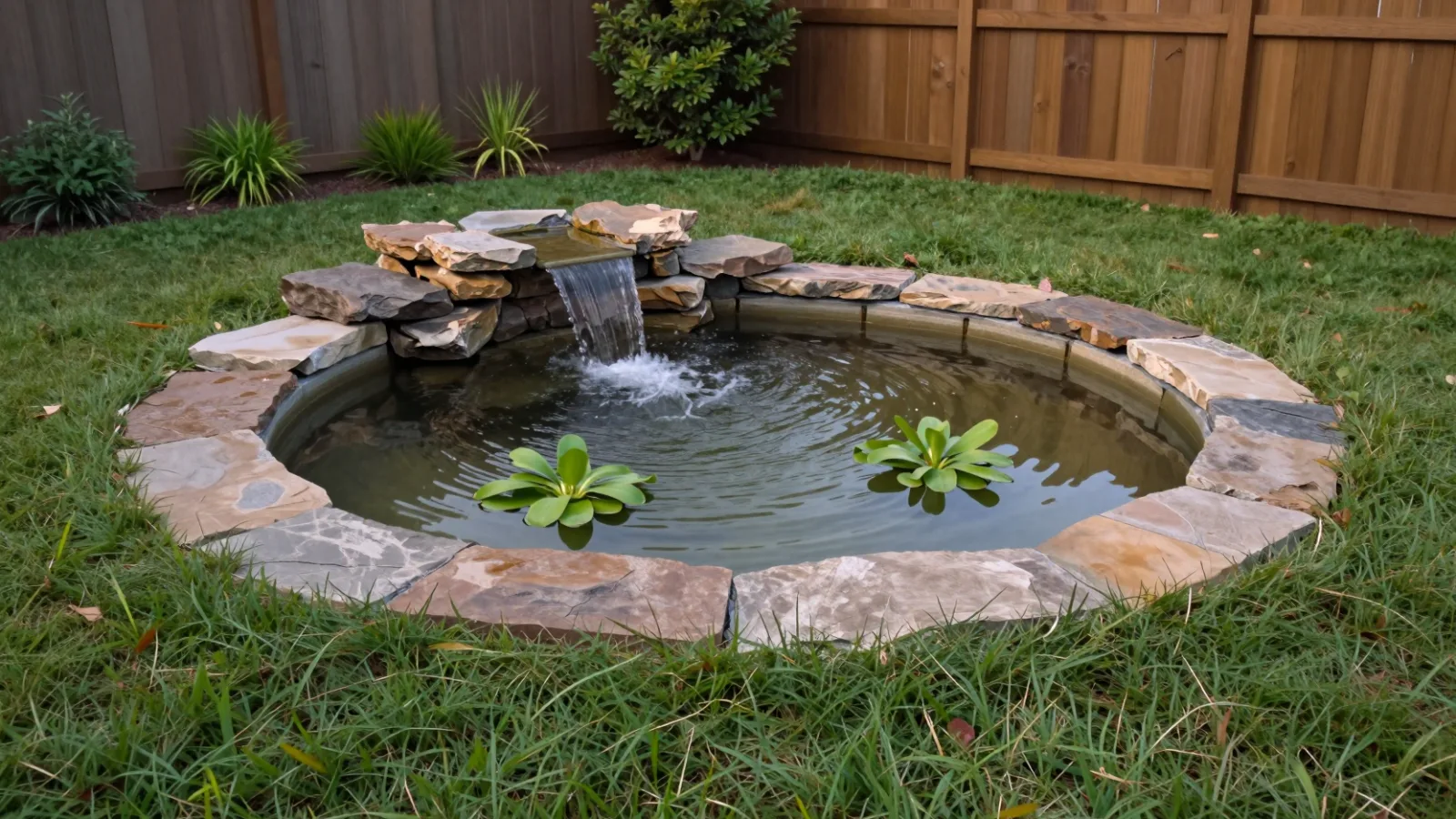
Planning, digging and fitting out a new backyard pond, from choosing the spot and size to picking a kit or liner and filling it for the first time.

Pond Maintenance
Year-round pond care made simple: quick weekly checks, the spring and fall jobs that matter most, and how to get your pond safely through winter.


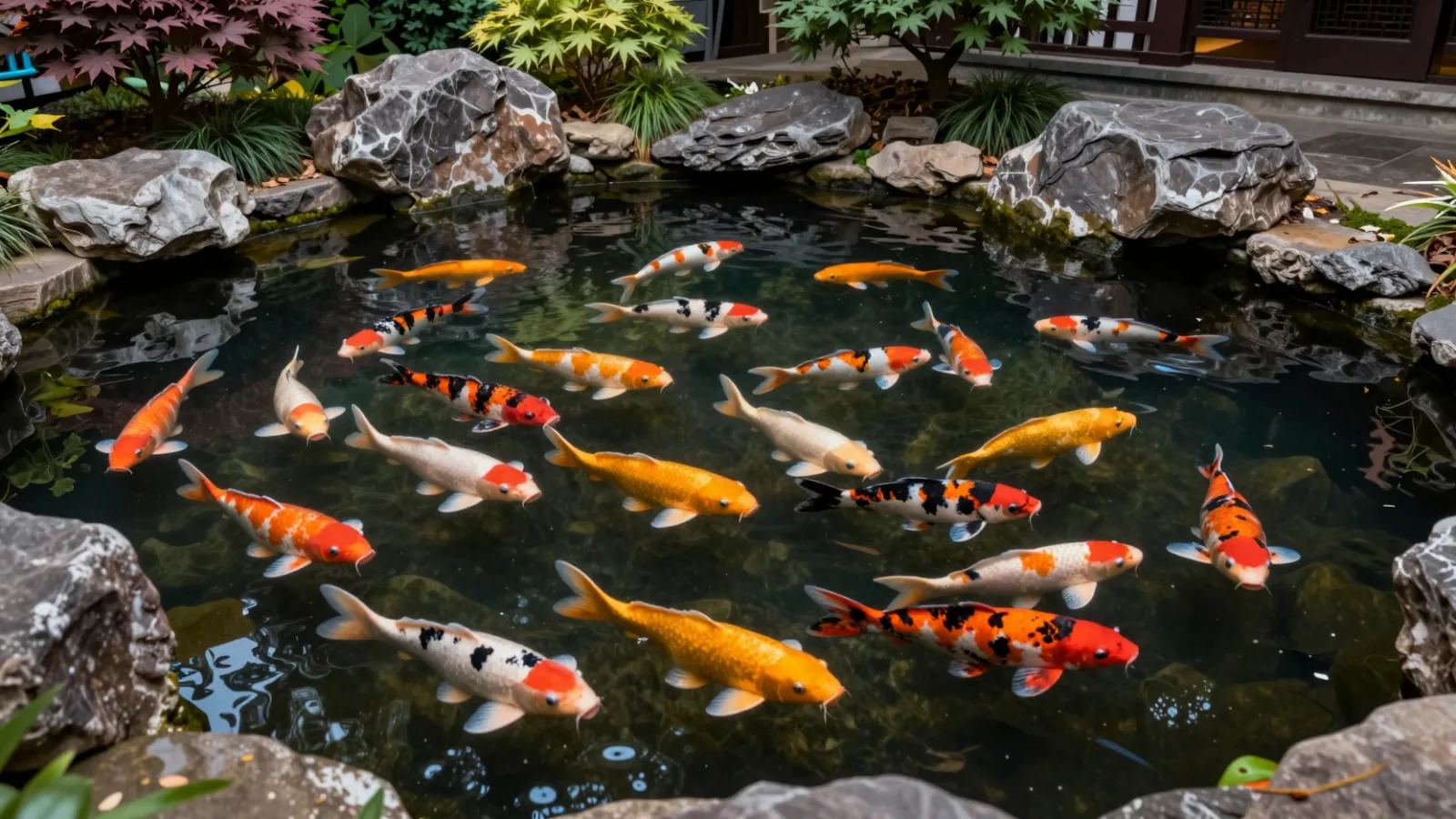
Fish & Wildlife
Keeping goldfish and koi healthy, and making your pond welcoming to frogs, dragonflies, birds and other wildlife.

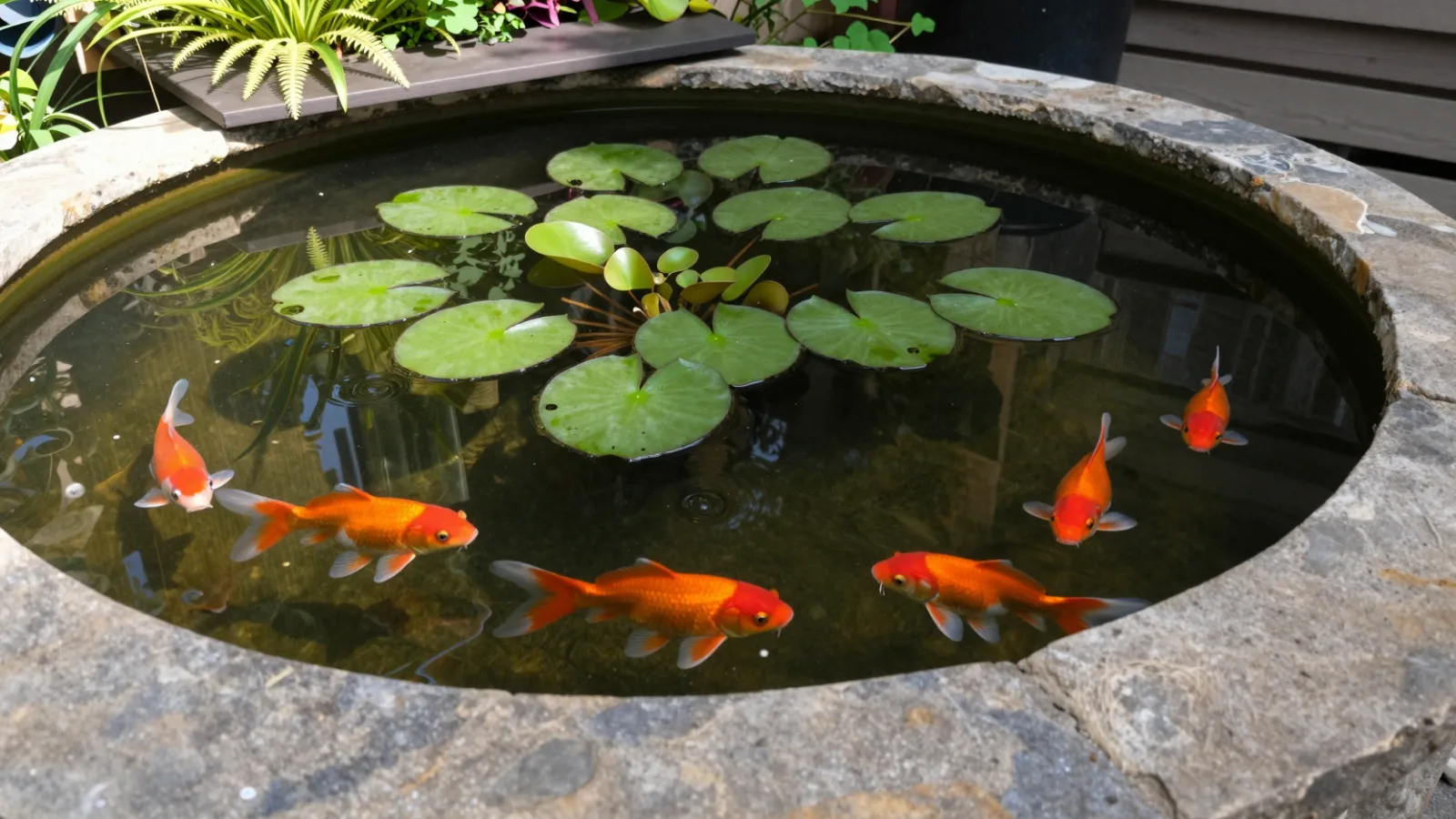

Pond Plants
Choosing, planting and caring for water lilies, marginal, floating and oxygenating plants that keep a pond healthy and beautiful.

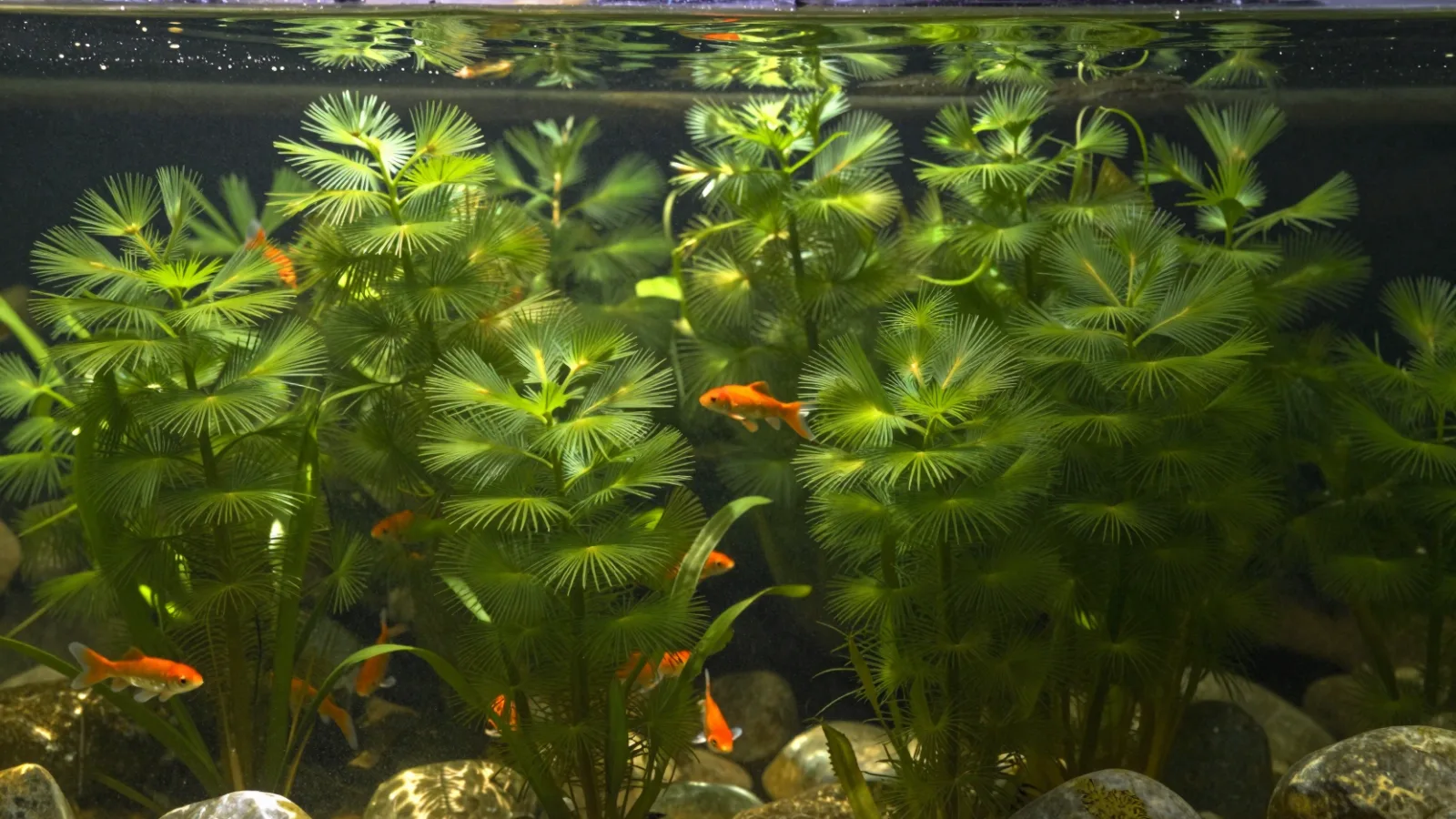

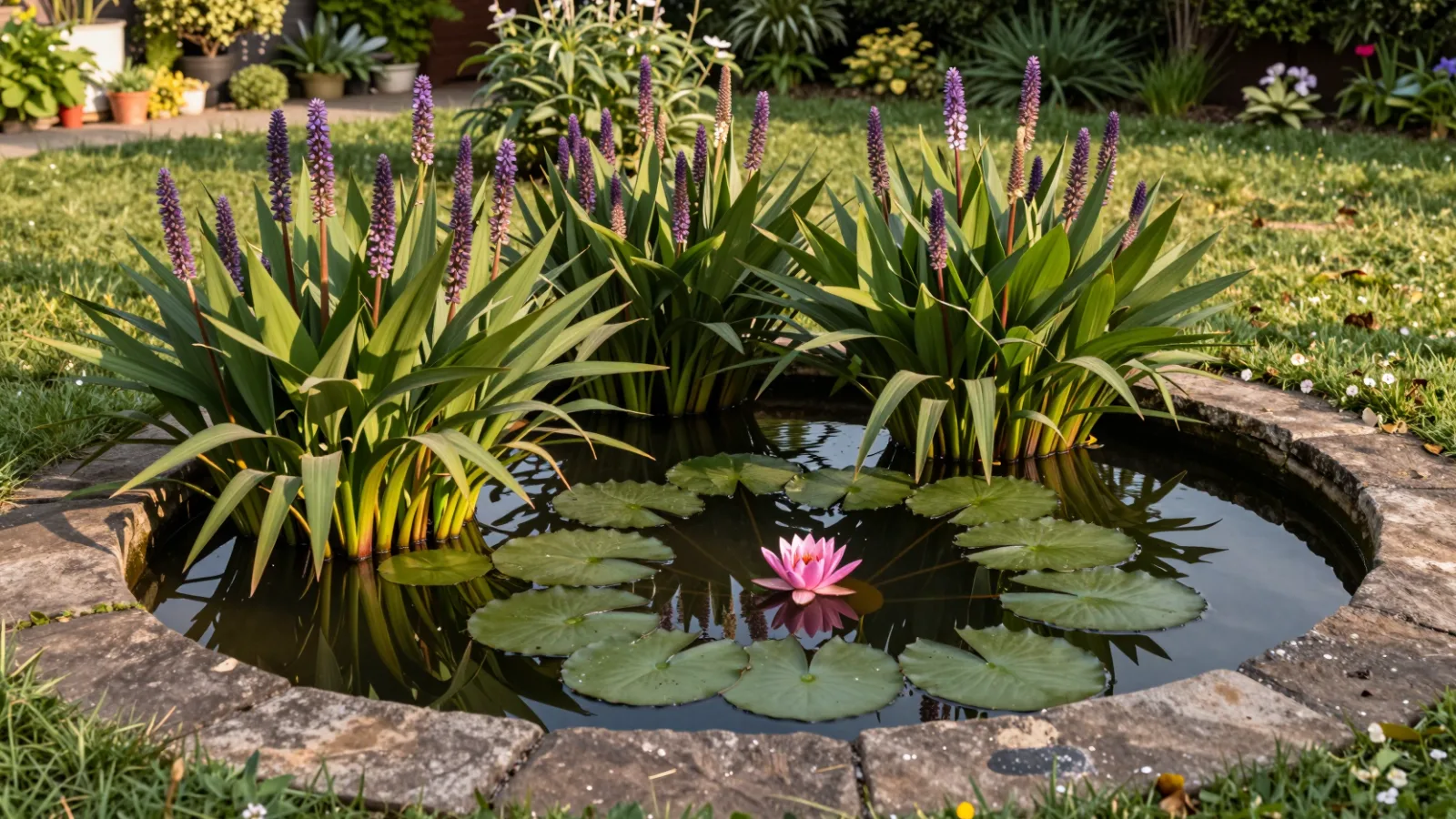
Water Features
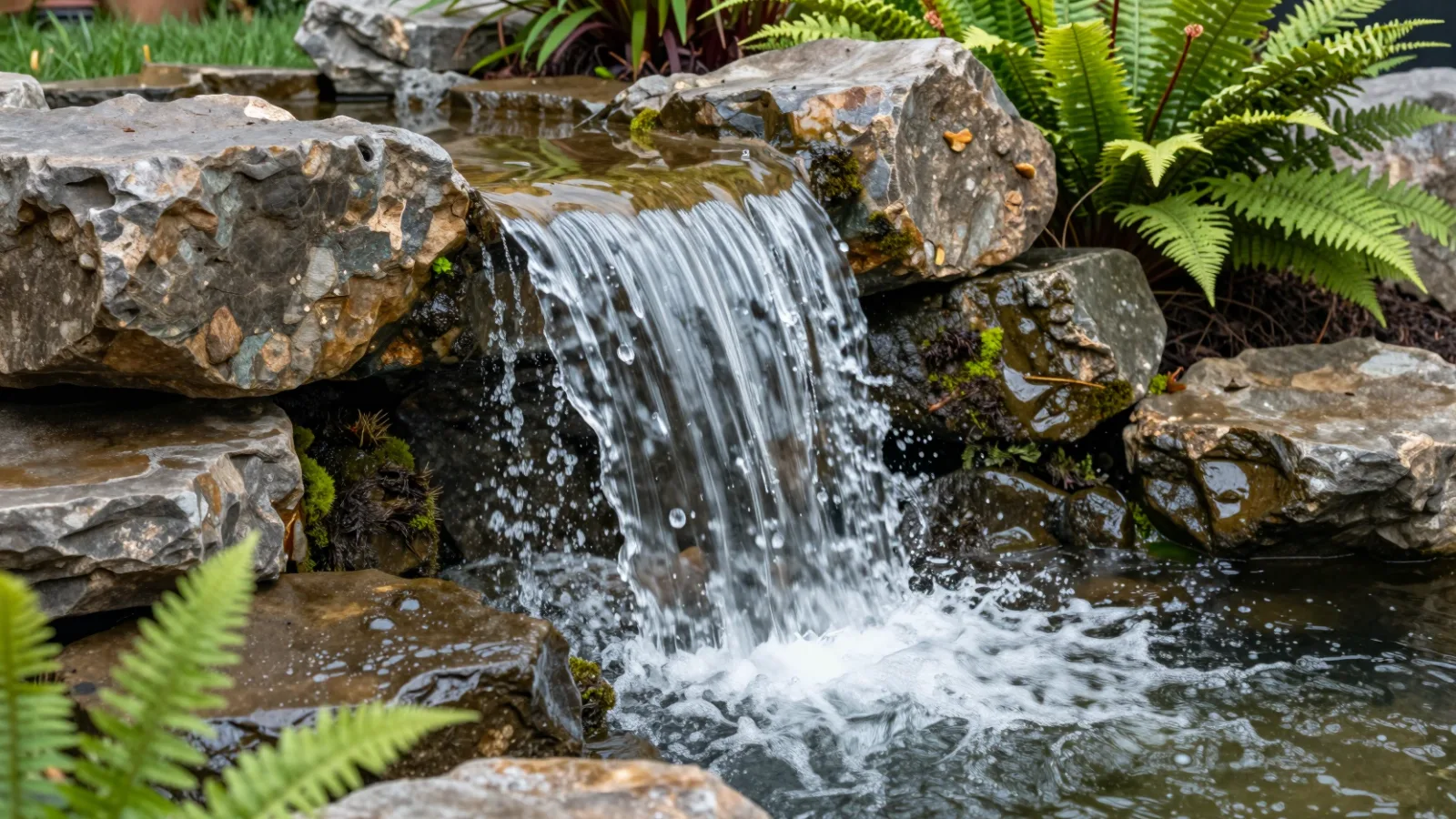
Fountains, waterfalls and lighting that bring a pond to life, with guidance on choosing, sizing and installing them safely.



Pond Equipment
Pumps, filters, UV clarifiers, liners, de-icers and the rest of the kit that keeps a pond running. Start with a main guide, then dig into the specifics.


Troubleshooting
Fixing common pond problems, from green water and string algae to cloudy water, low water levels and stressed fish.



Pond calculators
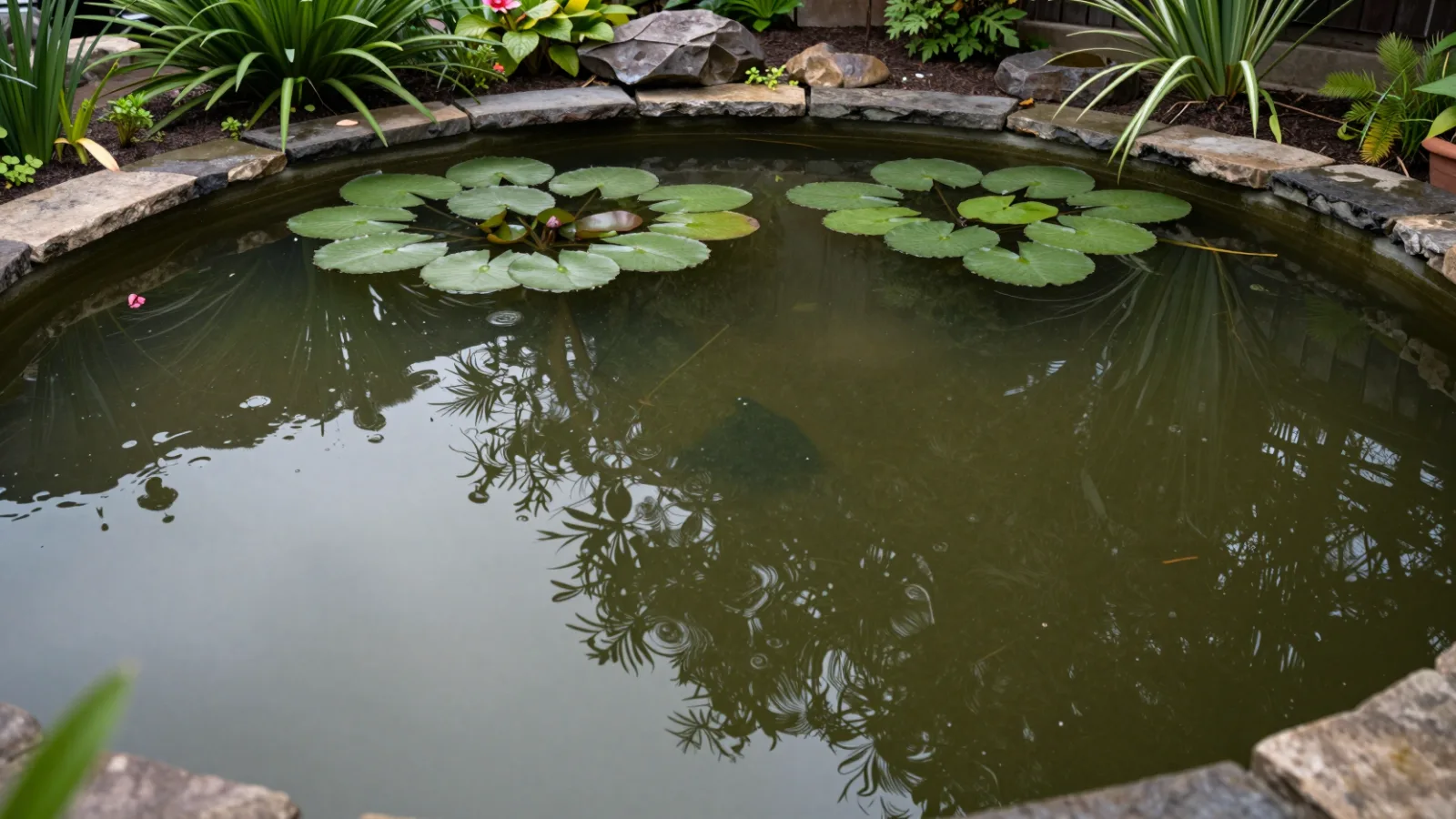
Quick answers before you buy anything: how much water, how much liner, and how big a pump.
About backyard ponds
A backyard pond brings water, wildlife and movement to almost any yard, and it is easier to build and look after than most people expect. The key is planning it as a small ecosystem: the right size and depth for where you live, enough circulation and filtration for the fish you want, and plants to shade the water and use up nutrients.
Where to start
If you are new to ponds, read our guide on how to build a pond first, then decide between a pond kit and a flexible pond liner. Before you buy equipment, size your pond pump and pond filter to your pond's volume. The pond calculators do the math for you.
Keeping a pond healthy
Clear water comes from balance, not chemicals. Moving water, good filtration, a mix of pond plants and not overstocking or overfeeding fish do most of the work. If green water appears anyway, our guides to pond algae and UV clarifiers explain what to do.
Through the seasons
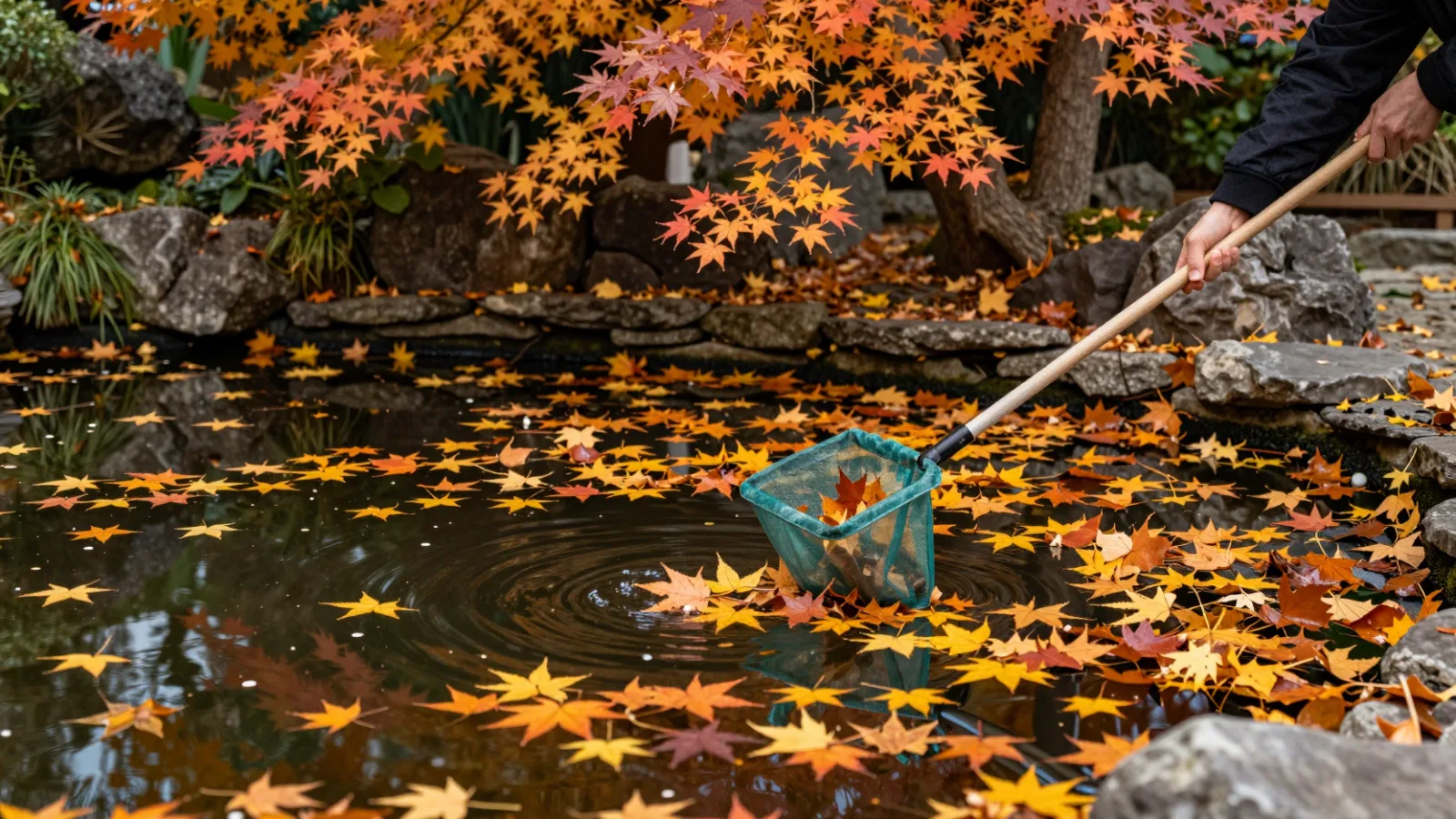
Ponds need different care as the weather changes: a spring clean and pump check, topping up in summer heat, netting against falling leaves in fall, and keeping a hole in the ice in winter. Our season-by-season maintenance guide walks you through the year, and how to winterize a pond covers the cold months in detail.
Fish, wildlife and features
Whether you want a few goldfish, a koi pond or a pond that simply attracts frogs, dragonflies and birds, our fish pond guide covers stocking, feeding and water quality. When you are ready to add sound and light, see our guides to fountains, waterfalls and pond lights.
Pond questions
A small preformed or kit pond can cost a few hundred dollars, while a larger lined pond with a pump, filter, waterfall and plants often runs into the thousands, and more if you hire a contractor. The liner, pump and filter are usually the biggest costs. Our pond calculators help you size each one before you buy.
Not if the water moves and the pond has fish. Mosquitoes breed in still, stagnant water, so a pump, fountain or waterfall, plus fish that eat the larvae, keeps most ponds mosquito-free.
A pond with fish almost always needs both. The pump keeps water moving and feeds the filter, which removes waste and keeps the water clear. A small wildlife pond with lots of plants and no fish can sometimes work without them.
A balanced pond needs a few minutes a week (topping up water, skimming debris, checking the pump) plus a bigger job in spring and fall. See our season-by-season maintenance guide for a full checklist.
Even shallow water can be dangerous for young children. Consider a fence or a sturdy grid just below the surface, and check whether your town has fencing or depth rules for ponds before you build.