Vegetables & Herbs
Growing your own vegetables and herbs, from planning a first bed and choosing easy crops to planting times, watering and harvesting.
Getting started
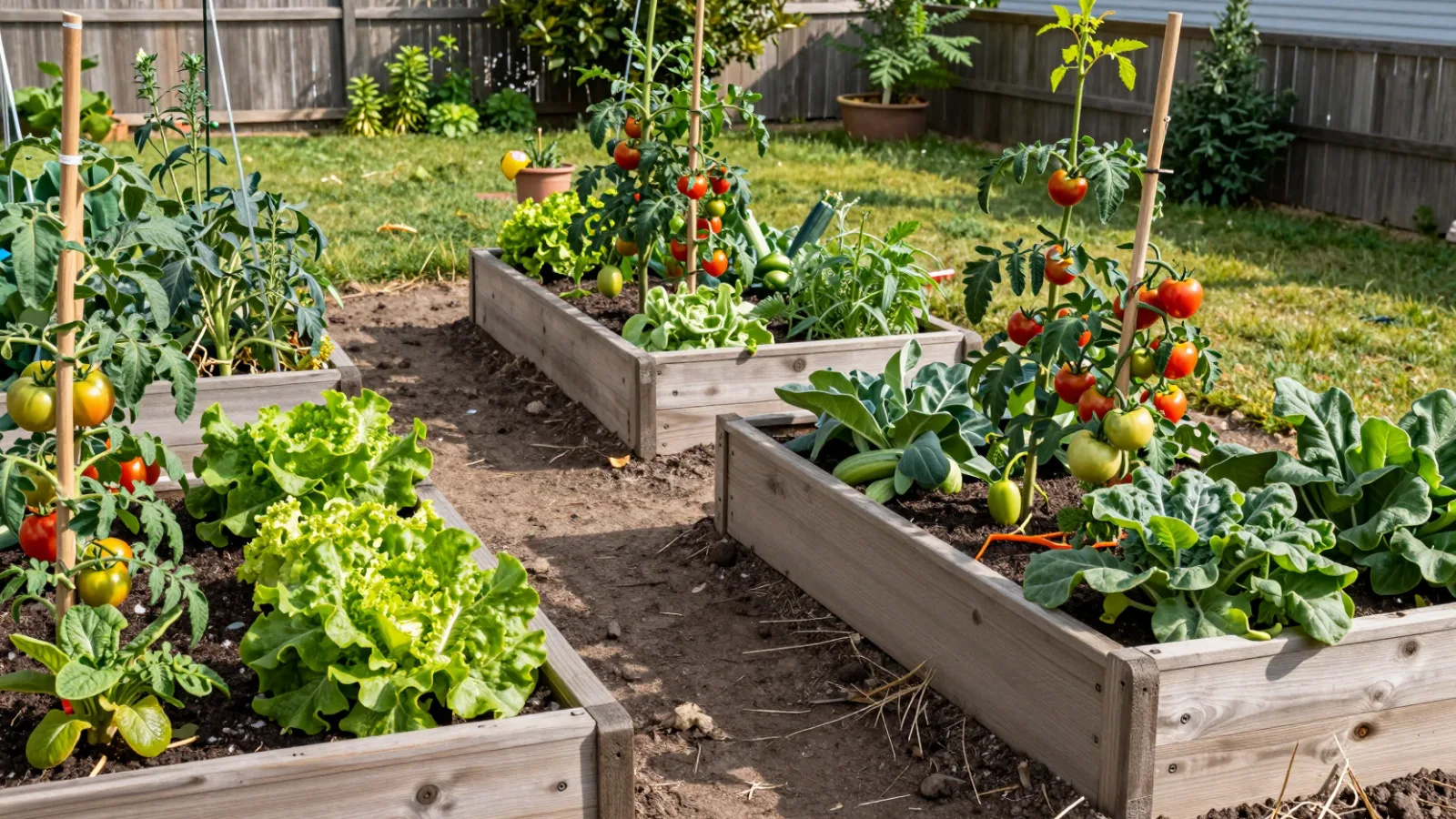
Growing your own food
Few things beat the taste of vegetables and herbs picked minutes before you eat them, and even a single raised bed or a few containers can produce a steady harvest. Starting small makes it easy to learn what grows well in your yard.
Our beginner's guide to starting a vegetable garden covers choosing a sunny spot, building a bed or using containers, improving the soil, what to plant first, and watering and feeding through the season.
Timing matters as much as location. Knowing your last spring and first fall frost dates tells you when to plant each crop, and your USDA zone helps you choose varieties; see how to choose the right plants.
Protect young plants from late cold snaps with the tips in how to protect plants from frost, and if leaves start to yellow or get chewed, see garden pests and why plant leaves turn yellow. A few good tools help too; see essential garden tools.
Common questions
Lettuce and salad greens, radishes, bush beans, zucchini, tomatoes, peppers and herbs such as basil, parsley and chives are good choices for beginners. Start with a few crops you actually like to eat.
Cool-season crops such as lettuce, spinach, kale, radishes, carrots, peas and broccoli do well planted in late summer or early fall, and garlic is planted in fall for next summer. Count back from your first fall frost date using the days to maturity on the seed packet.
Plant warm-season crops like tomatoes, beans and squash after your last spring frost date, when the soil has warmed. Cool-season crops like peas, lettuce and broccoli can go in a few weeks before the last frost, and again in late summer for a fall harvest.
Yes. Herbs, salad greens, peppers, bush beans and compact tomato varieties all grow well in large pots with drainage holes and good potting mix. Containers dry out quickly, so water them often in warm weather.