Debt
Proven ways to pay off debt faster, avoid new debt, and get help if you're struggling to keep up with payments.
Paying off debt
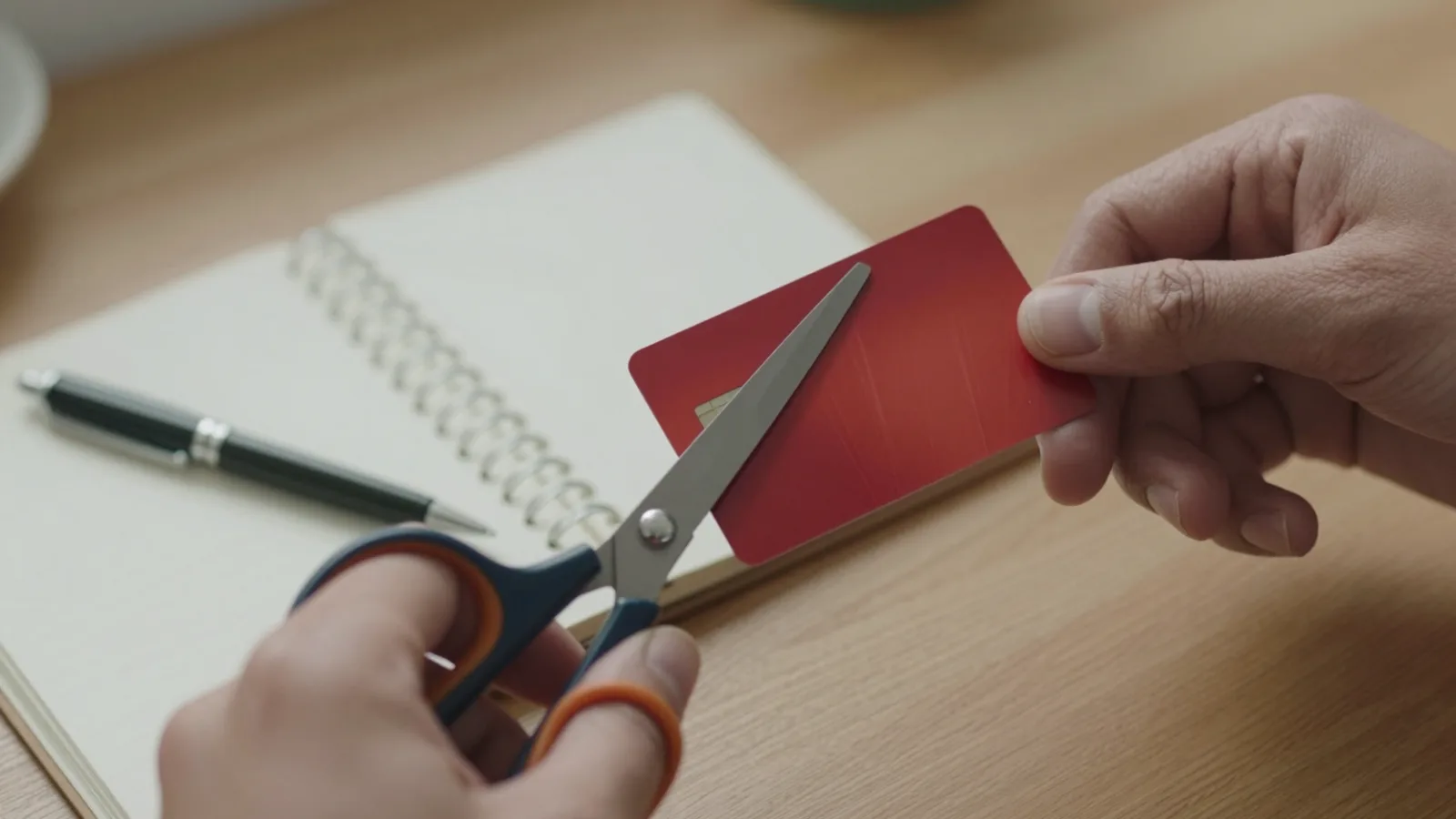
Paying off debt and staying out of it
Debt with high interest, especially credit card debt, makes everything else harder. The good news is that a clear plan and steady payments can clear it faster than most people expect, and the money you were paying in interest goes back into your pocket.
How to pay off debt: snowball vs avalanche explains the two most popular payoff methods, how to choose between them and how balance transfers and consolidation loans fit in.
Avoiding new debt matters just as much. How to avoid holiday debt helps you get through the most expensive time of year without borrowing, and how to build an emergency fund gives you a cushion so surprises don't end up on a credit card.
A budget is the engine of any debt plan; see how to make a budget that works. If you're considering a consolidation loan, read personal loans explained first, and understand how credit cards work so balances don't build up again.
Common questions
Always make minimum payments on everything. Then put extra money toward either the highest-interest debt first (the avalanche method), which saves the most money, or the smallest balance first (the snowball method), which gives quicker wins. Both work if you stick with them.
Keep at least a small emergency fund first, so a surprise expense doesn't put you straight back into debt. Beyond that, using extra savings to clear high-interest credit card debt usually makes sense, because the interest you save is far more than a savings account pays.
No. Under the federal Fair Debt Collection Practices Act, collectors generally can't call before 8 a.m. or after 9 p.m. your local time, harass you or misrepresent what you owe. You can ask for written validation of the debt and tell them in writing to stop contacting you.