Outdoor Lighting Ideas for Your Yard
Good outdoor lighting makes a yard safer, more welcoming and usable long after sunset. Here are practical lighting ideas for paths, patios, decks, plants and water features, and how to choose between solar, low-voltage and line-voltage lights.
By Pond.com editors Updated 2 min read
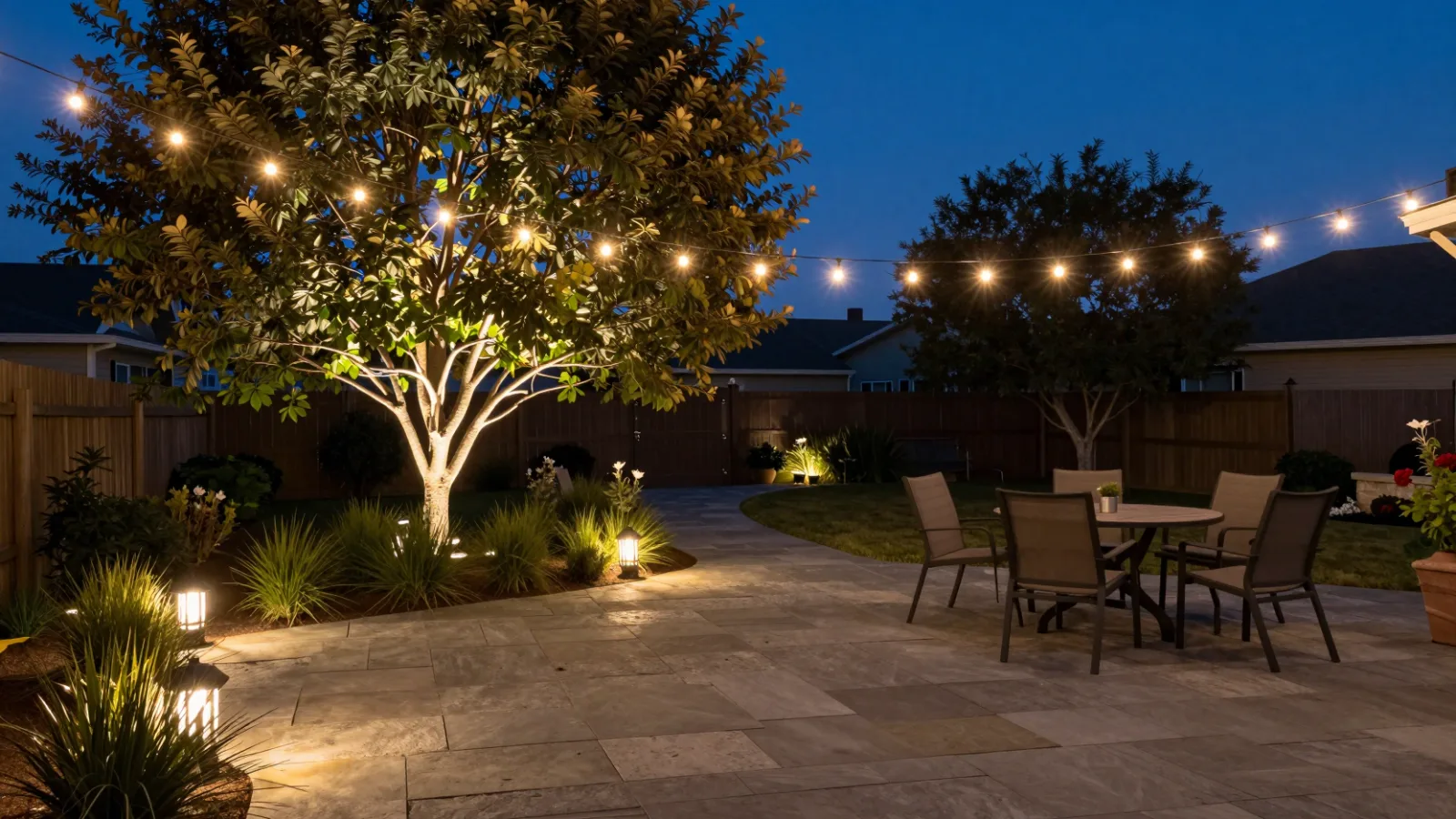
Quick answer
- Light paths and steps first for safety, then add lighting for seating areas and a few accent lights for trees or features.
- Low-voltage LED landscape lighting is bright, efficient and safe for DIY installation.
- Solar lights are easy to install but are usually dimmer and depend on sunny days.
- Choose warm white light, around 2700K to 3000K, for a cozy look, and avoid lights that glare into eyes or neighbors' windows.
- Use a timer or photocell so lights switch on and off automatically.
Outdoor lighting does two jobs: it keeps people safe on paths and steps, and it turns your yard into a place to enjoy in the evening. A few well-placed lights usually look better than lots of bright ones, and modern LED options are efficient and easy to install.
Start with safety
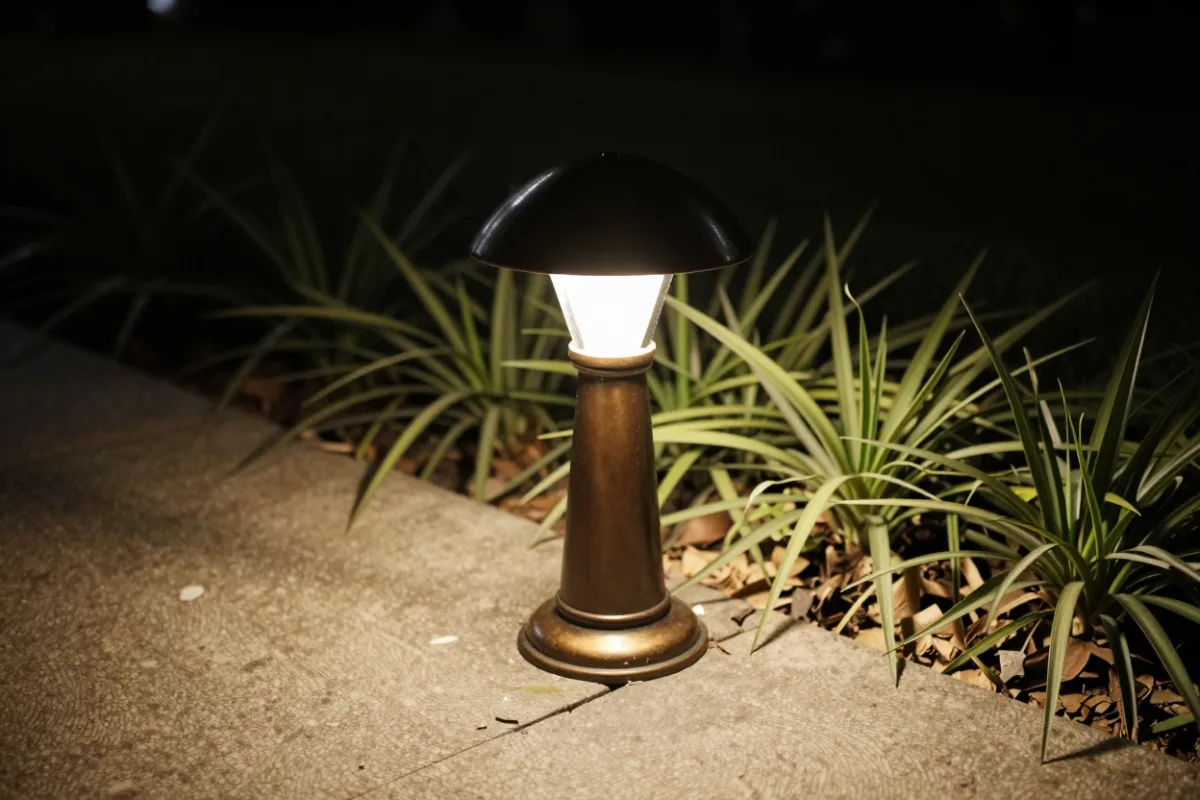
- Paths: low path lights every 6 to 8 feet, staggered on alternate sides, mark the route without glare.
- Steps: step lights or small lights recessed into risers prevent trips.
- Entrances: a well-lit front door and side gates help visitors and deter intruders.
Light the places you use
- String lights over a patio or deck create a relaxed, festive feel.
- Deck post and rail lights outline edges and steps.
- Wall lights near seating, with dimmers if possible.
- Table lanterns for soft light where you eat.
See how to plan a patio or deck to plan power outlets when building a new space.
Add accent lighting
- Uplighting a tree or tall shrub from below adds drama.
- Downlighting from a tree creates a soft, moonlight effect on the ground.
- Washing a wall or fence with light makes a small yard feel bigger.
- Water features: underwater and spotlights bring fountains and ponds to life at night; see pond lights.
Choose the right type of lighting
| Type | Pros | Cons |
|---|---|---|
| Solar | No wiring, easy to move | Dimmer, less reliable in winter and shade |
| Low-voltage (12V) | Bright, efficient, safe for DIY | Needs a transformer and an outdoor outlet |
| Line-voltage (120V) | Powerful, for large areas and security | Needs a licensed electrician |
Tips for a good result
- Choose warm white light (about 2700K to 3000K).
- Avoid glare: aim lights down or at targets, not into eyes or neighbors' windows.
- Use timers or photocells so lights turn on at dusk and off at bedtime.
- Less is more: a few layers of soft light look better than floodlights.
- Use outdoor-rated fixtures and cords, and plug transformers into a GFCI-protected outlet.
Common questions
They're great for soft path markers and decoration, and they need no wiring. But they're usually dimmer than wired lights, and their run time drops in winter and on cloudy days. For brighter, reliable lighting, low-voltage wired systems work better.
Yes, low-voltage systems are designed for DIY. A transformer plugs into a GFCI-protected outdoor outlet and powers lights on low-voltage cable you can bury shallowly. Line-voltage (120-volt) lighting should be installed by a licensed electrician.
Warm white, around 2700K to 3000K, looks natural and welcoming on plants, wood and stone. Cool white light can look harsh. Low-glare fixtures pointed down or at targets are kinder to neighbors and wildlife.