Solar & Clean Energy
Making and using cleaner energy at home: whether solar panels pay off, buying vs leasing, home batteries and backup power, geothermal and heat pump upgrades, and induction cooking.
Solar power

Home batteries and backup
Geothermal and electric upgrades
Clean energy for your home
More homeowners are making their own power and moving away from fossil fuels, to lower bills, ride out outages or cut emissions. The choices are big investments, and incentives changed a lot in 2026, so it pays to understand the real costs before you sign anything.
Start with are solar panels worth it?, which covers today's costs, the end of the homeowner tax credit, payback and whether your home is a good fit. Then compare solar leases, PPAs and buying, learn how your utility pays for extra power in net metering explained, and protect yourself with how to get solar quotes and avoid scams. No suitable roof? See community solar. Thinking about wind instead? Read is a home wind turbine worth it? first.
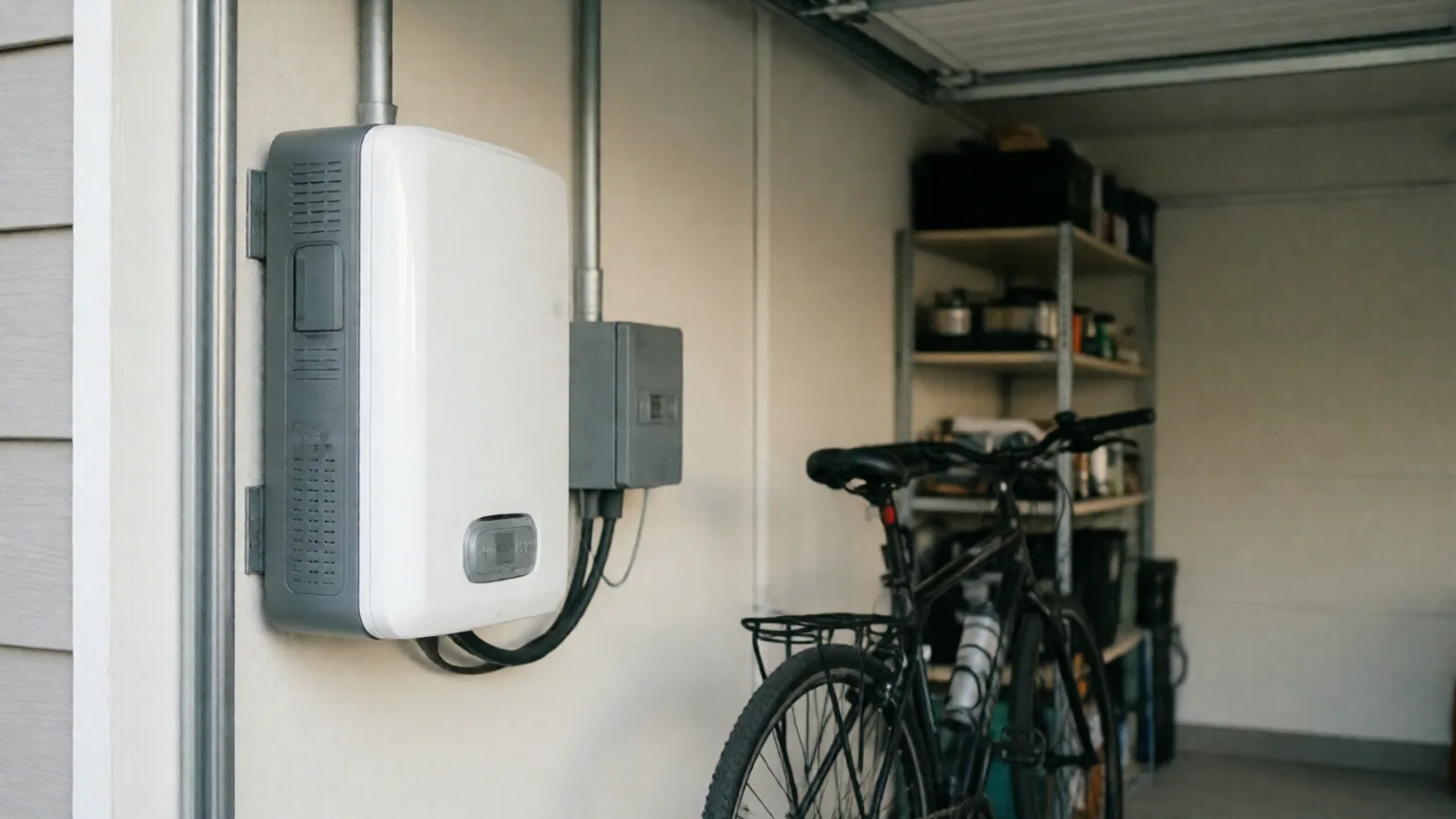
For backup power, home battery storage explained covers costs, how long backup lasts and batteries vs generators, and portable power station vs generator helps with smaller, cheaper options.
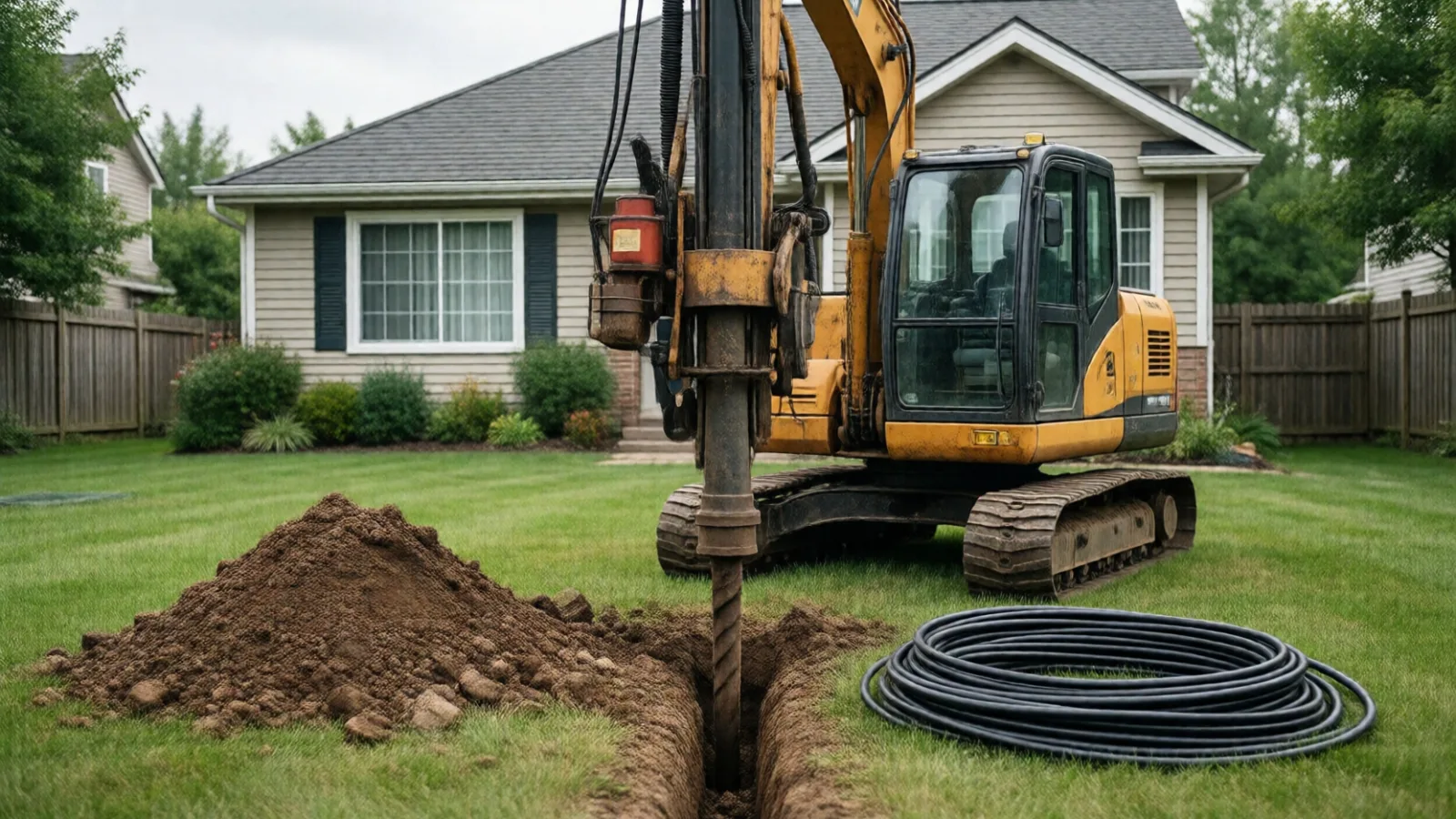
To heat, cool and cook with cleaner electricity, see geothermal heat pumps explained, heat pump water heaters and are induction cooktops worth it?. For air-source systems, see heat pumps explained.
The cheapest energy is the energy you don't use, so start with how to make your home more energy efficient.
Common questions
Start by using less energy. Sealing air leaks, adding insulation and switching to LED lights are cheap and make every later upgrade, like solar or a heat pump, smaller and less expensive. A home energy audit shows where to start.
The federal tax credits for homeowners who buy solar panels, batteries, geothermal systems and heat pumps ended for work done after December 31, 2025. State and utility rebates, and state HEAR rebates for eligible households, are still available in many places.
Yes. Community solar lets many renters subscribe to a local solar farm for bill savings, and portable induction burners and power stations need no installation. Some utilities also offer clean energy plans you can choose on your bill.