Are Induction Cooktops Worth It? Pros, Cons and Costs
Induction cooktops heat pans directly with magnetism, making them fast, efficient and easy to clean, and they don't release combustion gases like a gas stove. Here's how they work, the pros and cons, what they cost, the cookware and wiring you need, and how to try one cheaply first.
By Pond.com editors Updated 2 min read
Quick answer
- Induction uses a magnetic field to heat the pan itself, so it heats fast and wastes little energy.
- It boils water faster than most gas burners and gives precise control at low heat.
- Your pans must be magnetic; if a magnet sticks firmly to the bottom, they'll work.
- An induction range often needs a 240-volt circuit, which may mean electrical work if you're replacing gas.
- Unlike gas stoves, induction doesn't release combustion gases into your kitchen.
Induction cooking has gone from niche to mainstream in the US, and many cooks who switch never want to go back. It's fast, precise and easy to clean. But it can mean new pans and, if you're replacing gas, some electrical work.
This article is general information. Any new 240-volt circuit should be installed by a licensed electrician.
How induction works
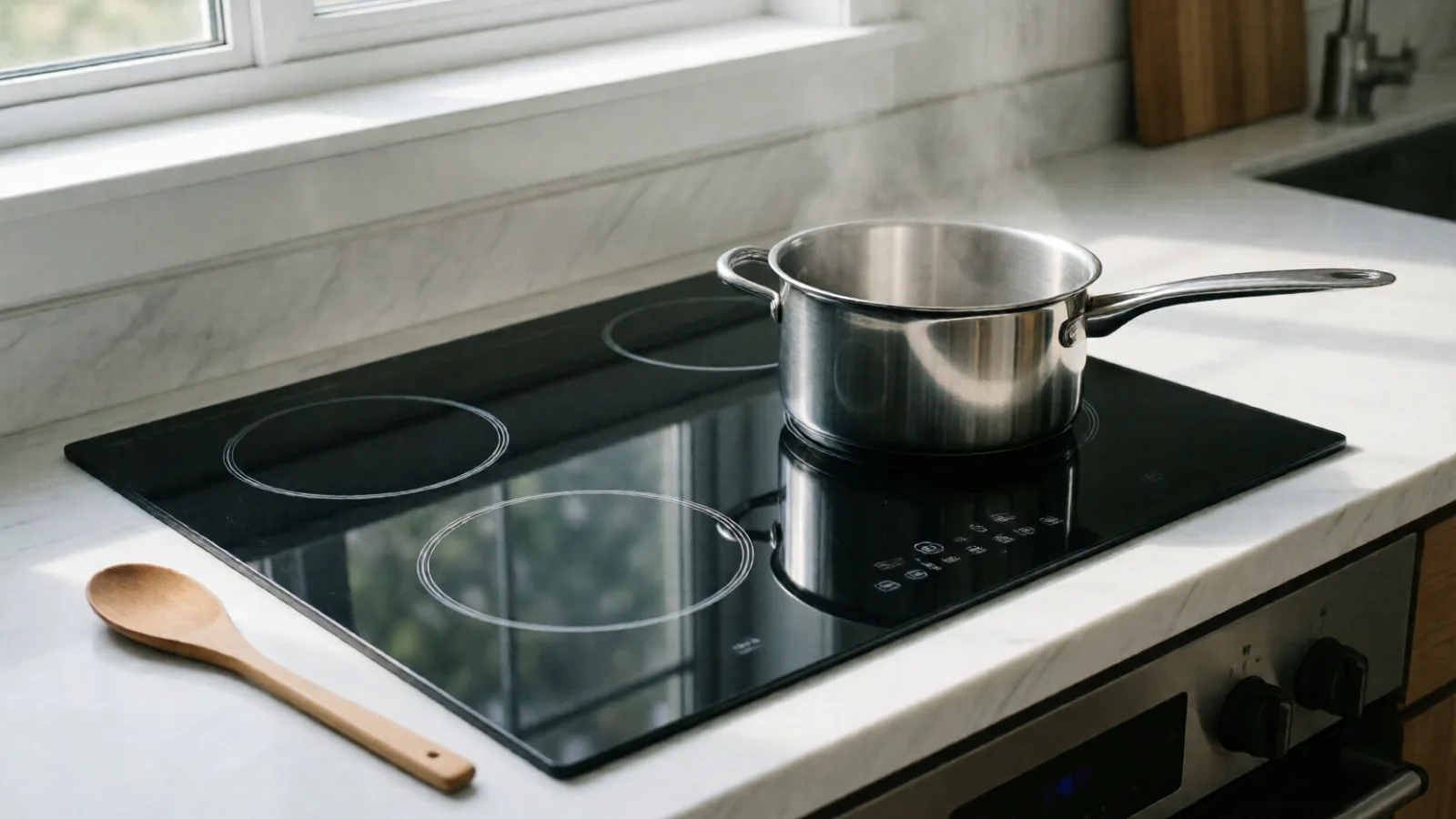
An induction cooktop creates a magnetic field that heats a magnetic pan directly. The glass surface itself isn't the heat source, so it heats only from contact with the hot pan, and energy goes straight into the food rather than the air around it.
Pros and cons
| Pros | Cons |
|---|---|
| Very fast, often faster than gas | Needs magnetic cookware |
| Precise, steady low heat | Higher upfront cost than basic electric |
| Easy to clean flat glass top | May need a new 240-volt circuit |
| Cooler kitchen, less wasted heat | Glass can scratch or crack |
| No combustion gases indoors | Some models hum or buzz at high power |
Indoor air quality
Gas stoves release combustion byproducts such as nitrogen dioxide into your home, which can affect air quality, especially without a good range hood vented outside. Induction produces none. If you keep gas, use a vented range hood every time you cook.
Will your cookware work?
Hold a magnet to the bottom of the pan. If it sticks firmly, the pan will work.
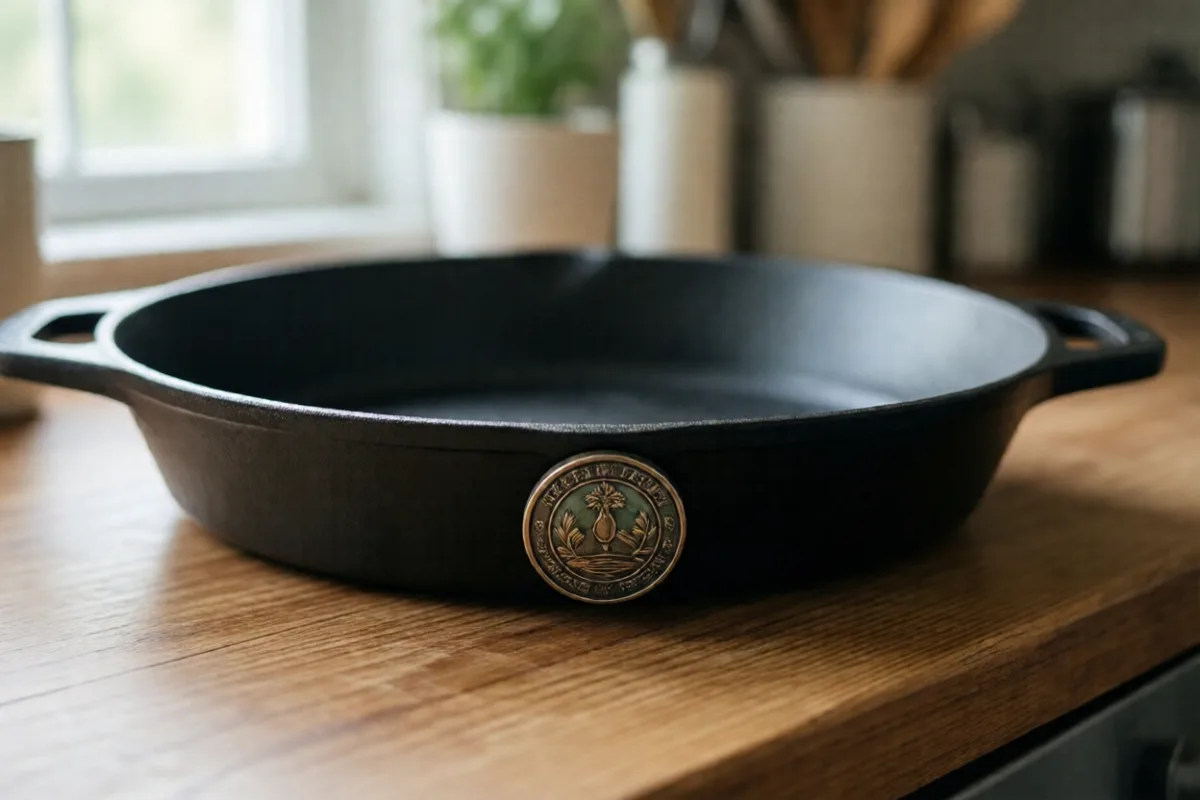
- Usually works: cast iron, enameled cast iron, carbon steel, most stainless steel.
- Doesn't work: aluminum, copper, glass and some nonstick pans without a magnetic base.
What it costs
- Induction ranges often start around $1,000 to $1,500, with many models $2,000 or more.
- Cooktops cost about the same or more, plus installation.
- Electrical work to add a 240-volt circuit, or upgrade your panel, can add hundreds to a few thousand dollars when you're replacing gas.
- Portable induction burners cost about $60 to $150.
Rebates
The state HEAR program offers up to $840 toward an electric or induction range for eligible lower- and moderate-income households, in states that run it, and some utilities offer rebates too. Also check whether your electrical work qualifies for HEAR help with wiring or panel upgrades.
Common questions
In several ways, yes. There's no open flame or gas leak risk, the cooking surface stays cooler around the pan, and most models turn off automatically when you remove the pan. The glass can still get hot from the pan, so treat it with care.
Yes. A portable single-burner induction plate costs around $60 to $150 and plugs into a standard outlet. It's a cheap way to test whether you like cooking with induction and whether your pans work.
Induction creates a magnetic field close to the cooktop. If you have a pacemaker or another implanted device, ask your doctor and check the device maker's guidance, which often advises keeping a short distance away.