Community Solar Explained: Going Solar Without Panels on Your Roof
Community solar lets renters and homeowners get credit for power from a shared solar farm, usually saving a modest amount on their electric bill with no equipment and no upfront cost. Here's how it works, who can join, typical savings, what to check in a subscription and how it compares with rooftop solar.
By Pond.com editors Updated 2 min read
Quick answer
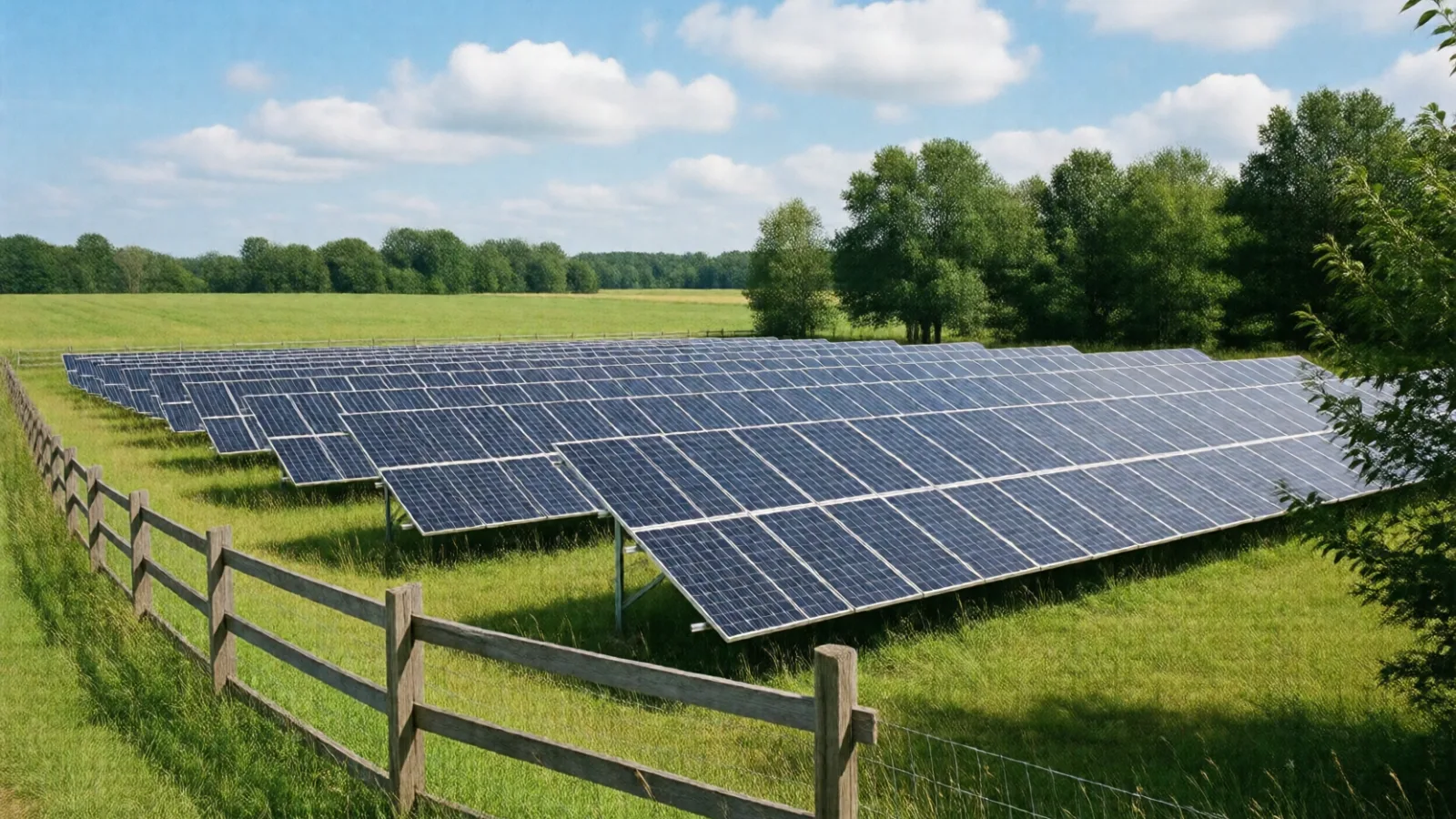
- Community solar is a shared solar farm in your area that sells subscriptions to local households.
- You get credits on your electric bill for your share of the power, often saving around 5% to 15%.
- There's nothing to install and usually no upfront cost, so it works for renters and shaded roofs.
- It's only available where state rules allow it, mainly in about 20 states plus Washington, D.C.
- Check the contract length, cancellation fees and how savings are calculated before you sign up.
Not every home can have solar panels. You might rent, live in an apartment, have a shaded roof or simply not want equipment on your house. Community solar offers another way to use solar power and save a little on your bill.
This article is general information, not financial advice.
How it works
- A company builds a solar farm in your area, connected to your local grid.
- You subscribe to a share of its output.
- The power goes into the grid, and your utility puts credits on your bill for your share.
- You pay the solar company for those credits, at a discount, so you save the difference.
Your home keeps getting power from the grid as usual. Nothing changes in your home.
What you can save
Savings are usually modest, often around 5% to 15% of the electricity part of your bill. Some programs for lower-income households offer more. Unlike rooftop solar, you don't make your own power, so the savings are smaller, but there's no upfront cost and almost no risk.
Who can join
- Where it's allowed: community solar programs exist mainly in about 20 states plus Washington, D.C., where state law supports them, such as New York, New Jersey, Massachusetts, Minnesota, Illinois, Maryland and Colorado.
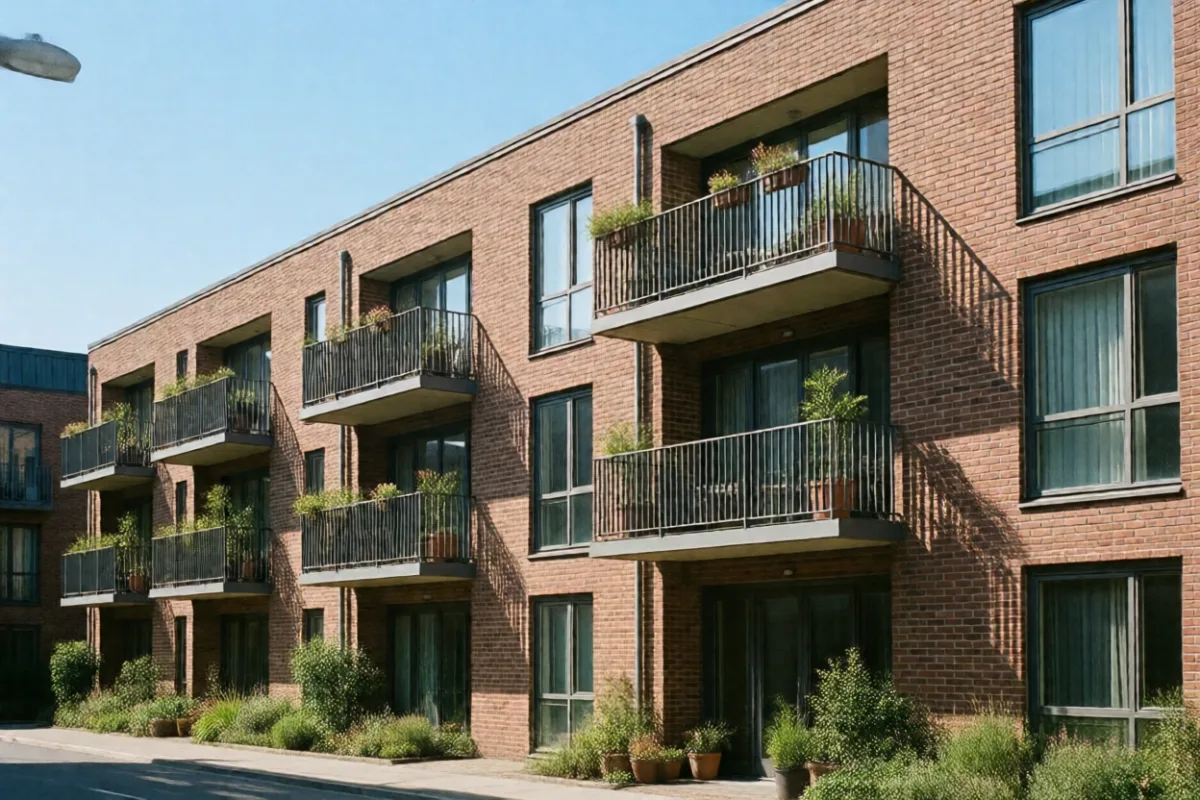
- Who it suits: renters, apartment dwellers, homes with shaded or unsuitable roofs, and people who don't want to buy or lease panels.
Check your state energy office or your utility's website for programs in your area.
What to check before you sign up
- The discount and how it's calculated.
- Contract length, which can range from month-to-month to 20 years.
- Cancellation fees and what happens if you move.
- Price changes: whether the discount is fixed or can change.
- Credit checks and any upfront fees.
Community solar vs rooftop solar
| Community solar | Rooftop solar | |
|---|---|---|
| Upfront cost | Usually none | High, unless leased |
| Savings | Modest, about 5% to 15% | Larger, if your home is a good fit |
| Equipment at home | None | Panels and an inverter |
| Works for renters | Yes | Rarely |
| Commitment | Often flexible | Long term |
Common questions
Yes, and it's one of the main reasons community solar exists. As long as you pay your own electric bill and the project serves your utility area, you can usually subscribe, and many programs let you move your subscription if you move within the same utility area.
Yes. You keep your utility, which still delivers your power and sends a bill showing credits from the solar farm. Many programs also send a separate bill for your subscription, at a discount to the value of the credits.
Some providers run a credit check when you sign up, while many don't. Ask before you apply, and look for programs designed for low- and moderate-income households if you're concerned.