Geothermal Heat Pumps Explained: Costs, Savings and Who They Suit
A geothermal heat pump heats and cools your home using the steady temperature of the ground. It's one of the most efficient systems you can buy, but also one of the most expensive to install. This guide explains how it works, the types of ground loops, costs, savings, how it compares with an air-source heat pump, and when it makes sense.
By Pond.com editors Updated 3 min read
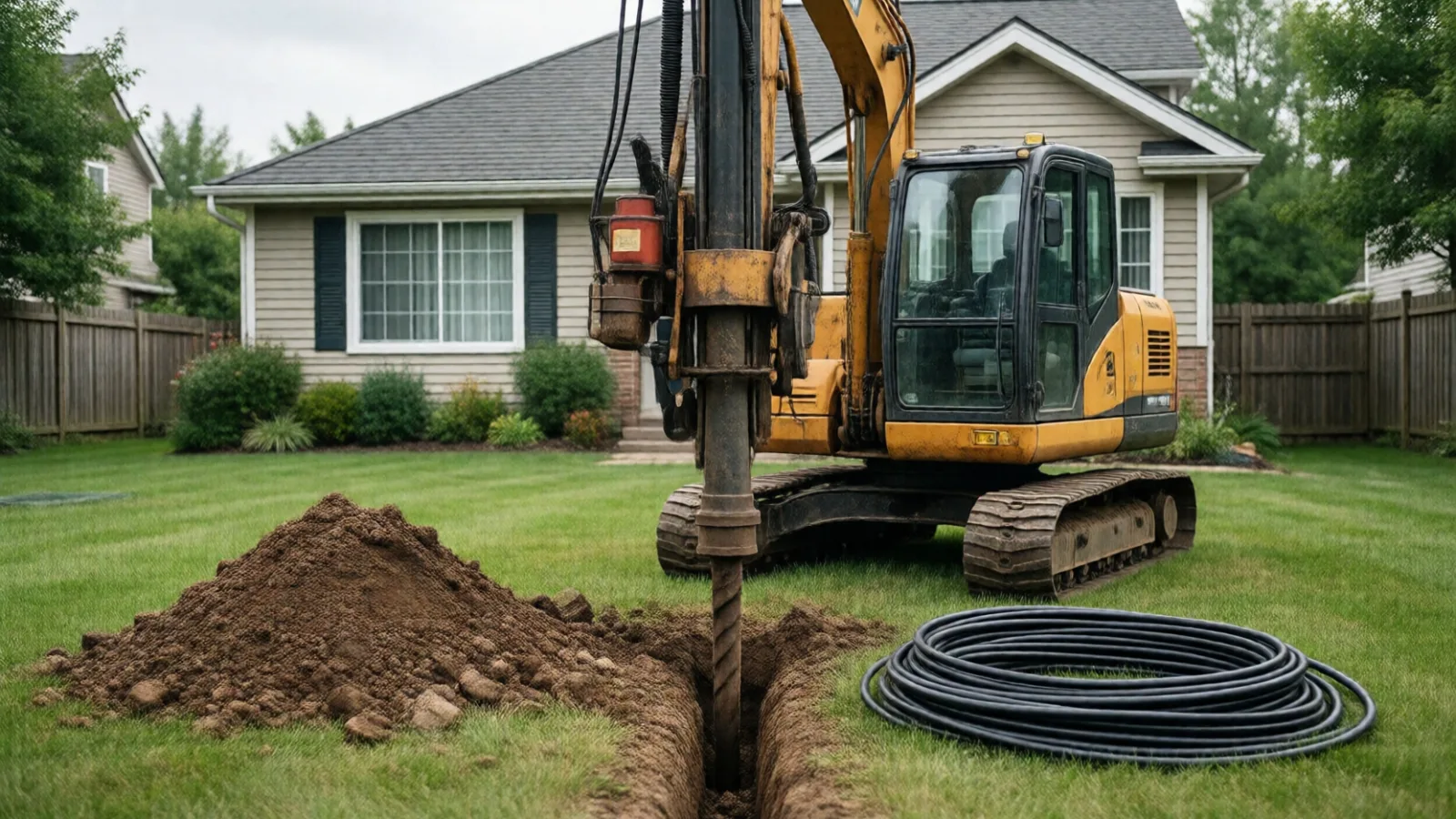
Quick answer
- A geothermal (ground-source) heat pump moves heat between your home and the ground through buried pipes.
- It's typically three to five times as efficient as electric resistance heat and works well in very cold climates.
- Installed costs often run from about $15,000 to $45,000, much more than an air-source heat pump.
- The underground loops can last 25 to 50 years, and the indoor unit about 20 years or more.
- The federal tax credit ended after 2025, so it makes most sense for long-term owners, new builds and homes with high heating costs.
A few feet below the surface, the ground stays at a fairly steady temperature all year, often around 45 to 75°F depending on where you live. A geothermal heat pump uses that to heat your home in winter and cool it in summer, very efficiently. The catch is the cost of putting pipes in the ground.
This guide is general information. A geothermal system must be designed and installed by a qualified contractor.
How it works
- Pipes buried in the ground (the "loop") carry water or an antifreeze mix.
- In winter, the fluid picks up heat from the ground, and the heat pump concentrates it and sends it into your home.
- In summer, the process reverses, moving heat from your home into the ground.
Because the ground is warmer than winter air and cooler than summer air, the system works less hard than an air-source heat pump, especially in extreme weather.
Types of loops
| Loop type | How it's installed | Good for |
|---|---|---|
| Horizontal | Trenches a few feet deep | Homes with plenty of open land |
| Vertical | Holes drilled, often 150 to 400 feet deep | Small lots; usually costs more |
| Pond or lake | Coils sunk in water | Homes next to a suitable body of water |
| Open loop | Uses well water directly | Areas with good groundwater and local approval |
Costs and savings
- Installed cost: often about $15,000 to $45,000, depending on home size, loop type and local drilling costs.
- Running costs: typically much lower than oil, propane or electric resistance heat, and often lower than an air-source heat pump.
- Lifespan: about 20 years or more for the indoor unit, and 25 to 50 years or more for the ground loop.
- Incentives: the 30% federal tax credit ended for systems installed after December 31, 2025. Some states and utilities still offer rebates or low-interest loans.
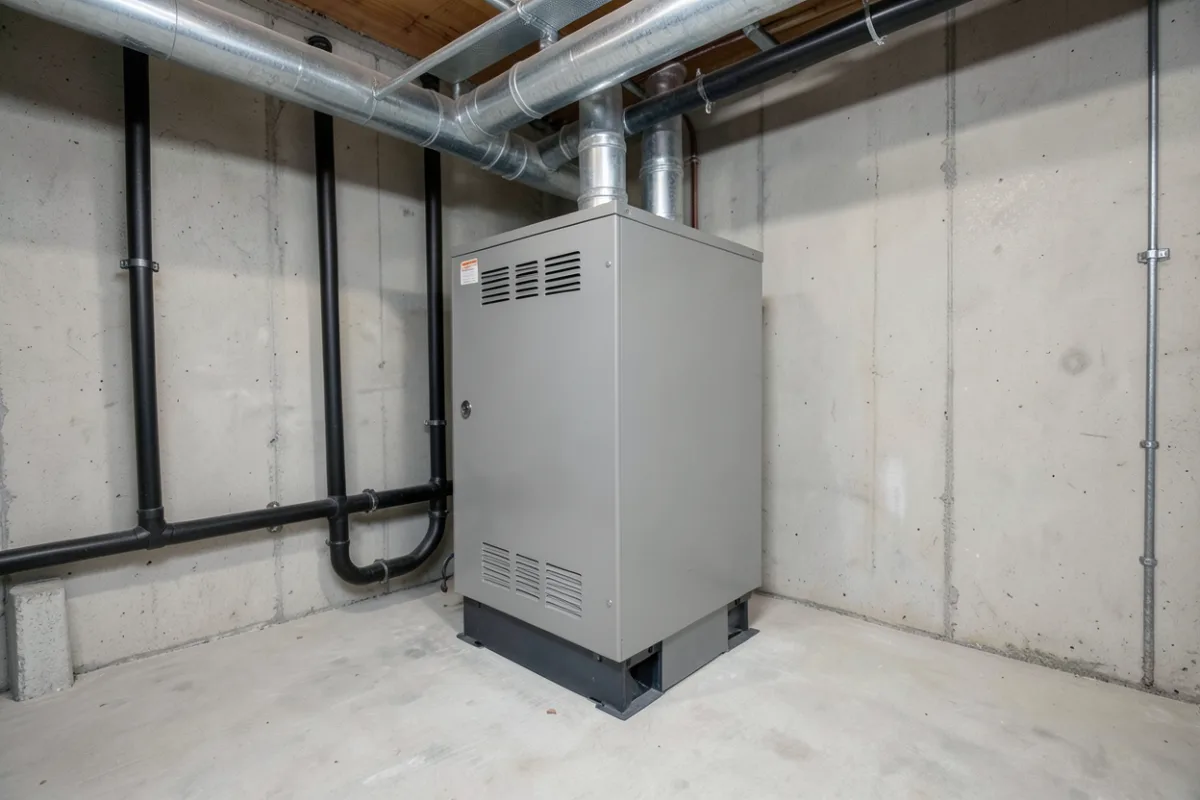
Geothermal vs air-source heat pump
| Geothermal | Air-source | |
|---|---|---|
| Upfront cost | Much higher | Lower |
| Efficiency | Highest, steady all year | High, drops in extreme cold |
| Outdoor unit | None | Yes, with a fan |
| Lifespan | Indoor unit 20+ years; loop 25 to 50+ years | About 15 years |
| Disruption to install | Drilling or trenching | Minimal |
For most existing homes, a modern air-source heat pump is the more affordable route. See heat pumps explained.
When geothermal makes sense
- You're building a new home or already digging up the yard.
- You heat with oil, propane or electric resistance, which makes savings larger.
- You live somewhere very cold or very hot.
- You plan to stay for many years, so the savings have time to cover the cost.
- Local rebates or utility programs help with the price.
Getting quotes
Look for installers certified by the International Ground Source Heat Pump Association (IGSHPA), ask for a heat loss calculation for your home, and compare at least three quotes. See how to choose an HVAC company.
Common questions
Not necessarily. Horizontal loops need a lot of open land, but vertical loops are drilled deep into the ground and fit on small lots. Vertical drilling usually costs more.
No. There's no outdoor unit with a fan, so it's quieter than an air conditioner or air-source heat pump. The indoor unit sounds similar to a furnace.
Many systems include a desuperheater, which uses waste heat from the system to preheat your hot water, especially in summer. It can noticeably cut water heating costs.