Heat Pumps Explained: Costs, Savings and Rebates
Heat pumps heat and cool your home by moving heat rather than burning fuel, which can make them much more efficient. Here's how they work, the main types, what they cost, how much they can save, and what incentives are available now.
By Pond.com editors Updated 3 min read
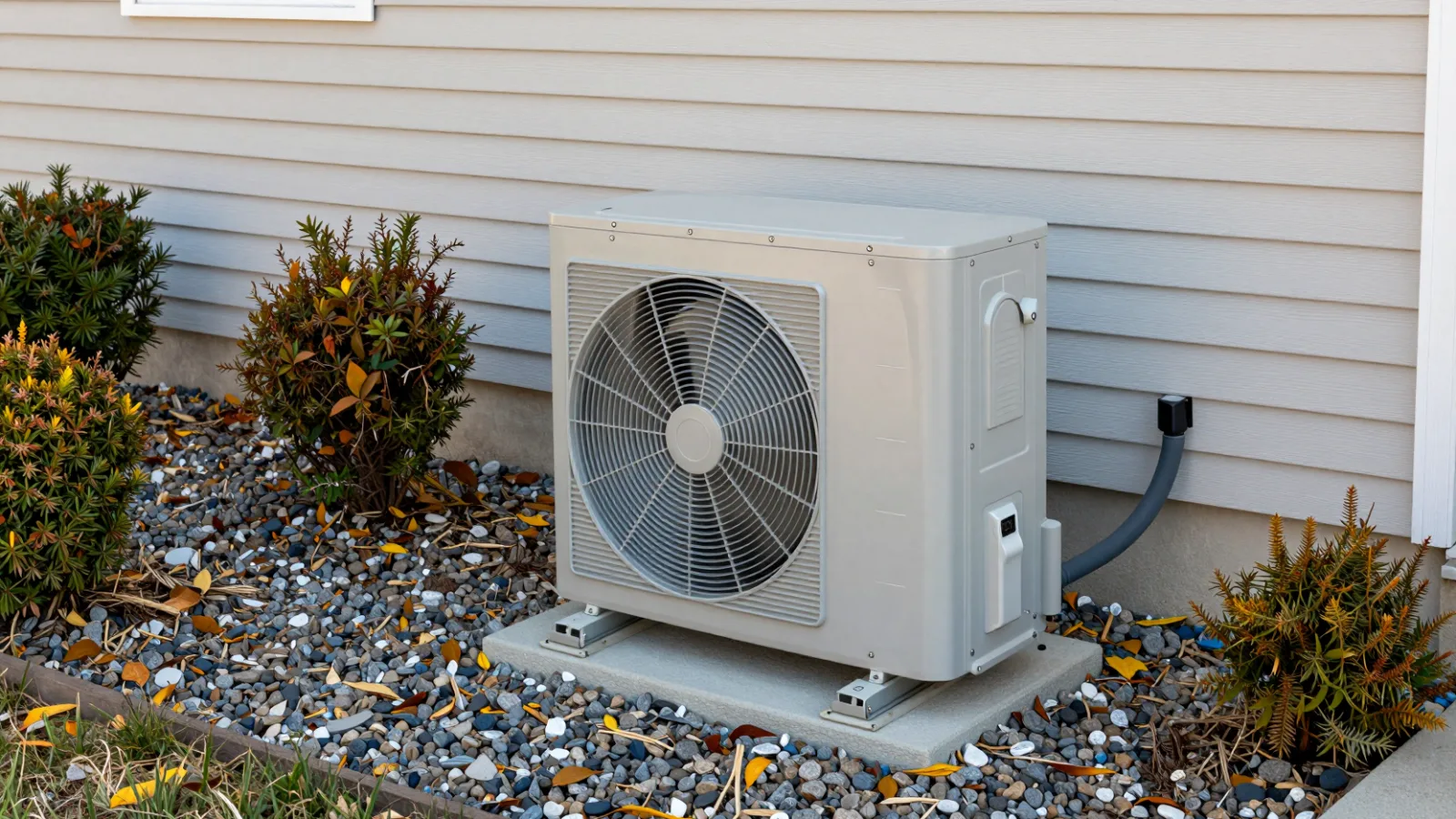
Quick answer
- A heat pump moves heat into your home in winter and out in summer, giving both heating and cooling from one system.
- Because it moves heat instead of making it, it can deliver much more heat energy than the electricity it uses.
- Main types are ducted air-source, ductless mini-splits and geothermal (ground-source).
- Modern cold-climate models work in much of the northern US, sometimes with backup heat.
- The federal heat pump tax credit ended for systems installed after 2025; check state, utility and HEAR rebates.
Heat pumps have become one of the most talked-about home upgrades, because they can heat and cool a home efficiently with one system. They're not right for every home, but for many they can cut energy use and replace both a furnace and an air conditioner.
How a heat pump works
A heat pump works like a refrigerator in reverse. In winter, it pulls heat from the outdoor air (or ground) and moves it inside, even when it's cold outside. In summer, it reverses and works like a central air conditioner, moving heat out of the house.
Because it moves heat rather than making it by burning fuel or using electric resistance, a heat pump can deliver much more heat energy than the electricity it uses.
Main types
| Type | How it works | Best for |
|---|---|---|
| Ducted air-source | Outdoor unit plus indoor air handler using existing ducts | Homes with ductwork |
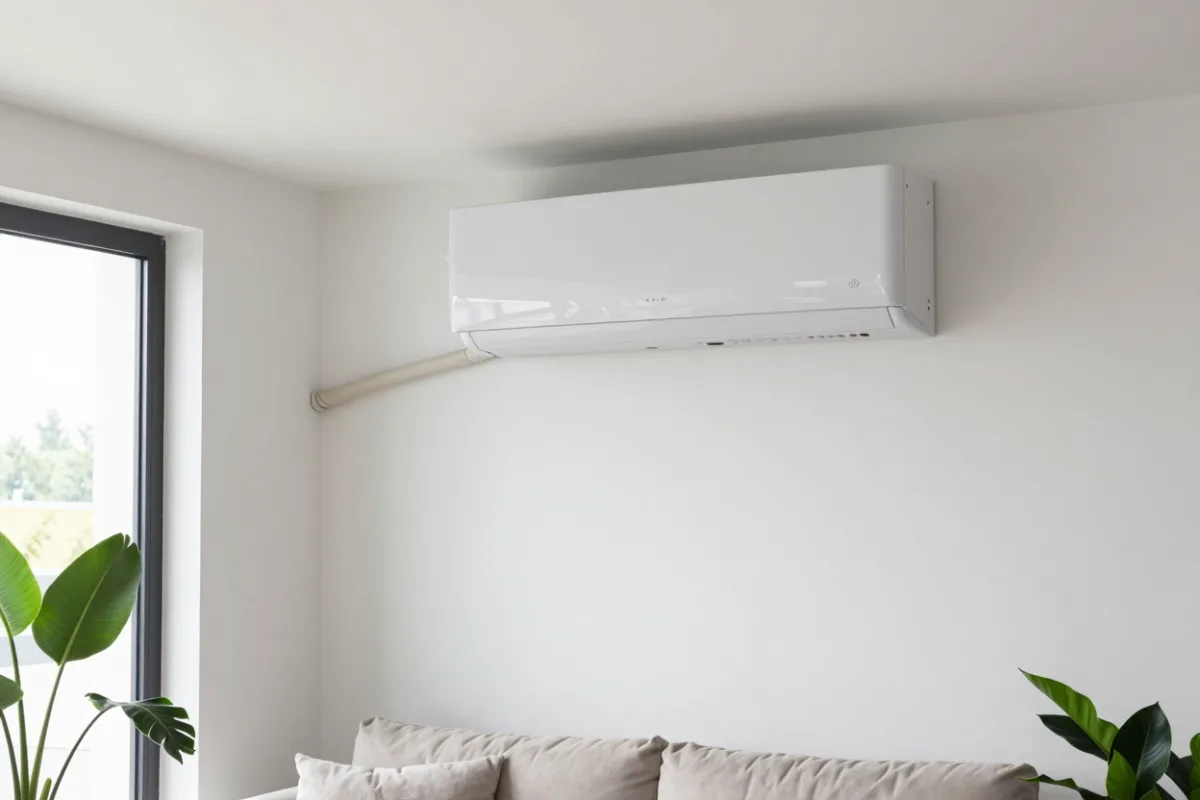
| Ductless mini-split | Outdoor unit plus wall-mounted indoor units | Homes without ducts, additions, single rooms |
| Geothermal (ground-source) | Pipes buried in the ground exchange heat | Long-term owners with space and budget |
Cold climates
Modern cold-climate heat pumps work well below freezing and are used in much of the northern US. Efficiency falls as outdoor temperatures drop, so some homes keep a backup furnace or electric heat strips for the coldest days. A good installer will size the system for your climate.
Costs and savings
- Upfront cost depends on home size, type of system, ductwork condition and any electrical panel upgrades.
- Savings are usually biggest when replacing electric resistance heat, oil or propane, and when you need to replace an old air conditioner anyway.
- Compared with natural gas, savings depend on local gas and electricity prices.
An energy audit and several installer quotes help you estimate real costs and savings for your home. Sealing air leaks and improving insulation first lets you install a smaller, cheaper system; see how to seal air leaks.
Incentives
- Federal tax credit: the 25C energy efficient home improvement credit ended for systems placed in service after December 31, 2025.
- State HEAR rebates: federally funded rebates run by states. Availability, amounts and income limits vary, and many states are still launching programs.
- Utility rebates and local programs are common.
Check your state energy office and utility before you sign a contract, as some rebates require pre-approval.
Common questions
Modern cold-climate heat pumps can keep heating efficiently well below freezing, and many keep working at very low outdoor temperatures. Efficiency drops as it gets colder, so homes in the coldest areas may keep a backup heat source for the most extreme days.
Costs vary widely with the size of your home, the type of system and whether ductwork or electrical upgrades are needed. Ductless units for a room or two cost less than a whole-home ducted system, and geothermal costs the most. Get several quotes from qualified installers.
The federal energy efficient home improvement credit (25C) ended for property placed in service after December 31, 2025. Rebates may still be available through state HEAR programs, utilities and local incentives, so check what's offered where you live before you buy.