Net Metering Explained: How Utilities Pay for Your Solar Power
Net metering is how many utilities credit you for extra solar power you send to the grid, and it has a big effect on whether solar pays off. Here's how net metering and net billing work, why the rules vary so much between states, how to check yours, and how batteries change the picture.
By Pond.com editors Updated 2 min read
Quick answer
- Net metering credits you for solar power you send to the grid, usually at or near the retail price of electricity.
- Net billing pays a lower rate for exported power, so using your own solar power, or storing it, saves more.
- Rules are set by each state and utility, and many have moved from net metering to net billing.
- Your utility's rules can change how long solar takes to pay off by several years.
- Check the rules before you buy, and ask whether existing customers are protected if they change.
Solar panels make the most power in the middle of the day, when many people aren't home using much. What happens to that extra power, and what your utility gives you for it, can make or break the case for solar.
This article is general information, not financial advice.
How net metering works
- Your panels produce power, which your home uses first.
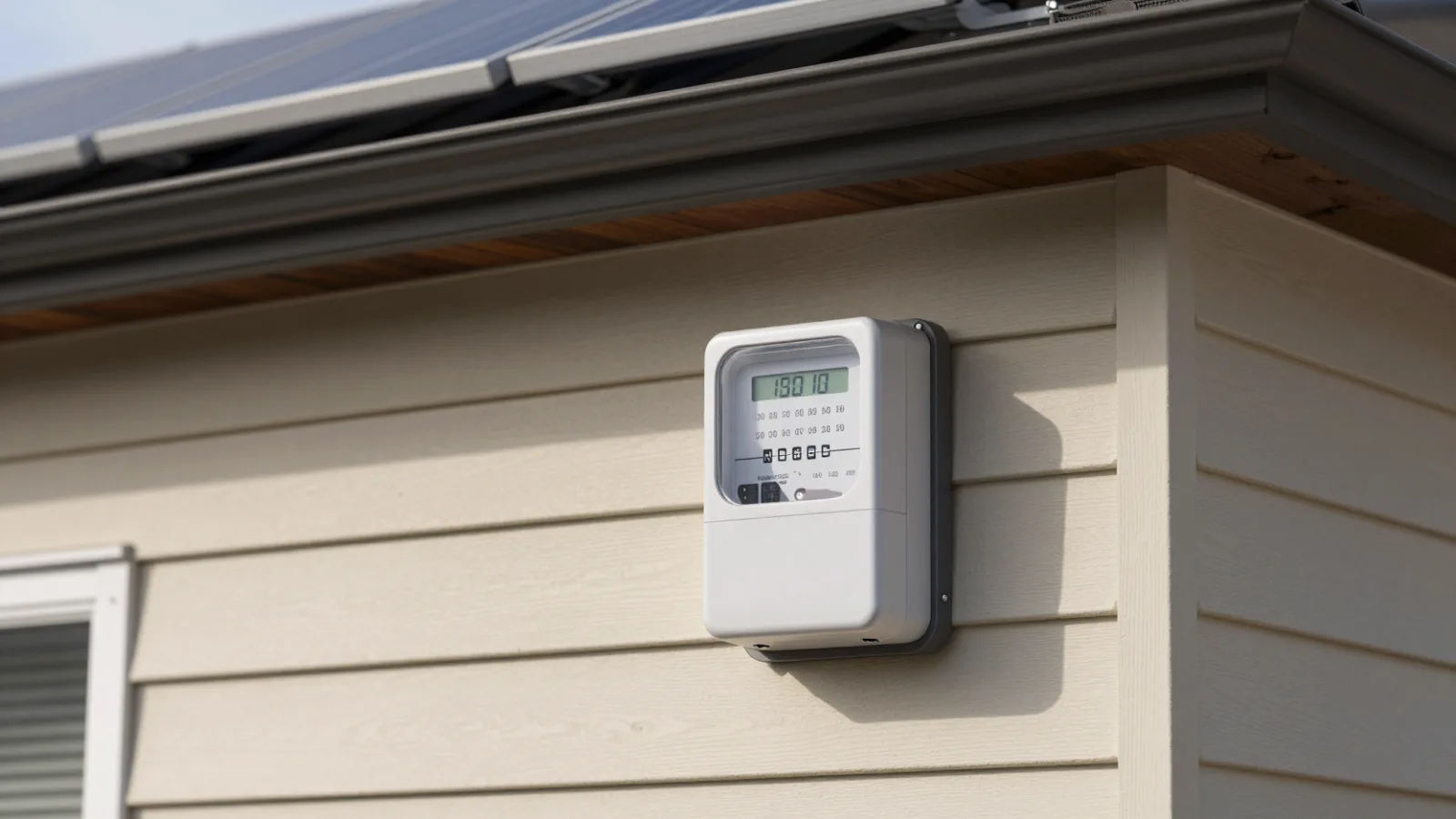
- Extra power flows to the grid through your meter.
- Your utility credits you for it, often at roughly the same price you pay for electricity.
- At night or on cloudy days, you use grid power, and the credits offset that cost.
With full net metering, the grid acts like a free battery. That's why it makes solar pay off fastest.
Net metering vs net billing
| Net metering | Net billing | |
|---|---|---|
| Credit for exported power | About your retail rate | A lower export rate, sometimes a fraction of it |
| Best strategy | Size solar to cover yearly usage | Use more solar power directly; consider a battery |
| Effect on payback | Shorter | Longer, unless you add storage or shift usage |
Many states and utilities have moved toward net billing as more homes add solar. California's change in 2023, often called NEM 3.0, is the best-known example.

How to check your rules
- Ask your utility for its rules for new solar customers, including the export rate and any monthly fees.
- Check your state utility commission for upcoming changes.
- Ask about grandfathering: whether you keep today's terms if the rules change, and for how long.
- Look at time-of-use rates, which affect when your solar power is worth the most.
Making the most of your solar power
- Shift big jobs to sunny hours, like running the dishwasher, laundry or charging an electric car. See how to charge an electric car at home.
- Add a battery to store daytime power for the evening. See home battery storage explained.
- Size your system to match your actual use rather than producing far more than you need.
Common questions
Usually you get bill credits rather than cash. Credits roll over month to month, and some utilities pay out any leftover credit once a year, often at a much lower rate. The goal is to cover your own usage, not to sell power at a profit.
It's the name for California's net billing tariff, which took effect in April 2023 for new solar customers of the state's big utilities. It pays far less for exported power than the earlier net metering rules, which makes batteries more valuable.
It's possible, but many states protect existing customers under their original terms for a set number of years, often 10 to 20. Ask your utility, or check your state utility commission's rules, before you sign a solar contract.