Is a Home Wind Turbine Worth It?
Small wind turbines can make clean power, but for most homes they cost more and produce less than solar panels. Here's what a home turbine needs to work well, what it costs, why roof-mounted turbines rarely pay off, and the situations where wind does make sense.
By Pond.com editors Updated 2 min read
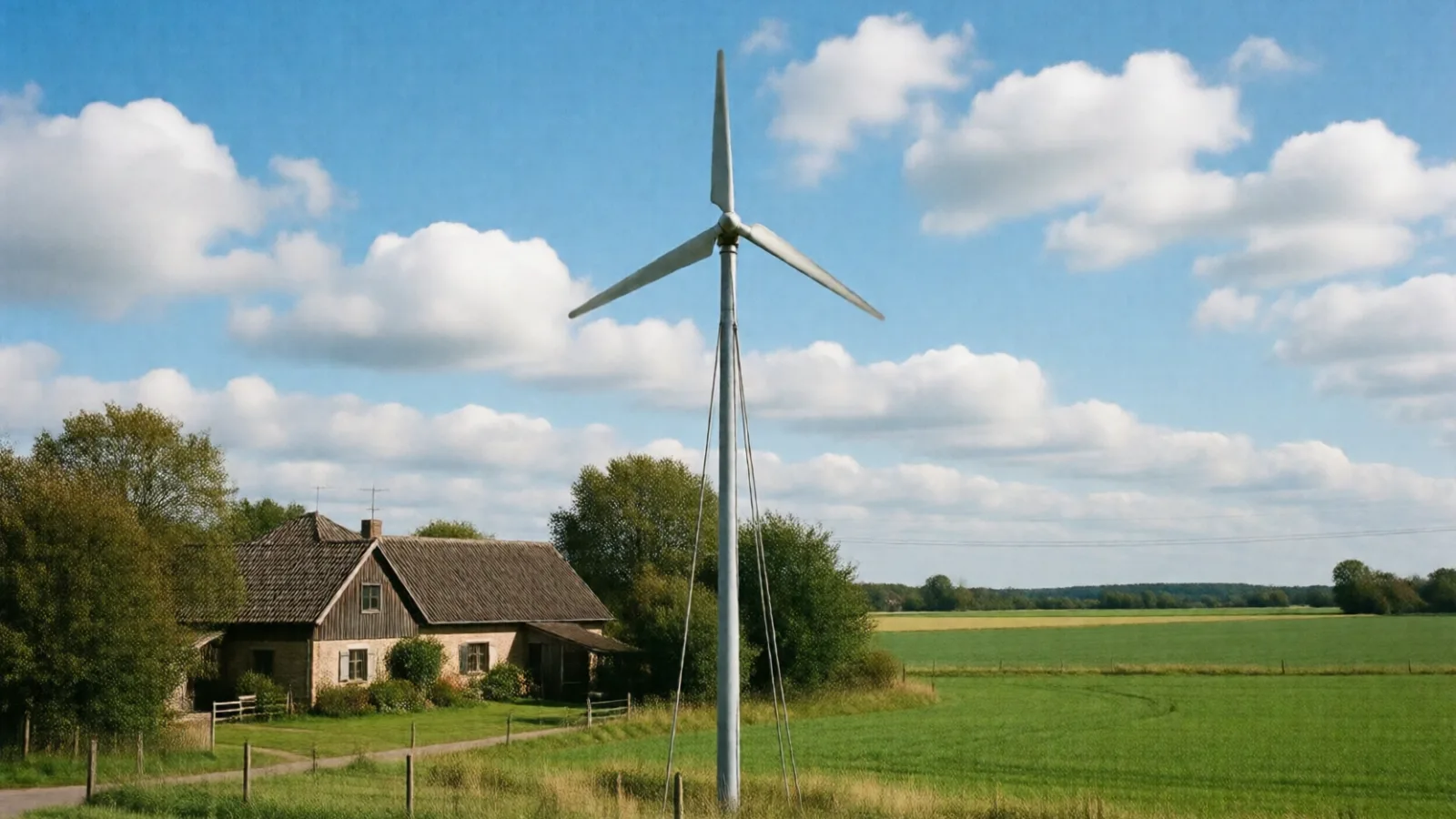
Quick answer
- For most suburban and urban homes, a wind turbine isn't worth it; solar panels usually produce more power for less money.
- A home turbine needs strong, steady wind, generally an average of about 10 mph or more at the height of the turbine.
- It needs a tall tower, often 30 feet above anything within 300 feet, which usually means an acre or more of land.
- Small roof-mounted turbines produce very little power and can cause noise and vibration.
- Wind can make sense on rural, windy properties, especially off-grid or alongside solar.
Wind turbines are an appealing idea: free power, day and night. But small wind is much more demanding than solar about where it's installed, and for most homes the numbers don't work.
This article is general information, not financial advice.
What a home turbine needs
- Strong, steady wind: generally an average of about 10 mph or more at the height of the turbine. Power rises steeply with wind speed, so a site with slightly more wind can produce far more.
- A tall tower: the turbine should sit about 30 feet above anything within 300 feet, like trees and buildings, which cause turbulent air. Towers of 60 to 120 feet are common.
- Space: usually an acre or more, for the tower and safety clearance.
- Permission: local zoning, height limits, permits and sometimes neighbor notices.
What it costs
A properly installed system on a tall tower often costs tens of thousands of dollars, including the tower, foundation, wiring and connection to your home. The 30% federal tax credit for small wind ended for homeowners after 2025.
Turbines also have moving parts, so they need regular maintenance, unlike solar panels.
Why roof-mounted turbines rarely work
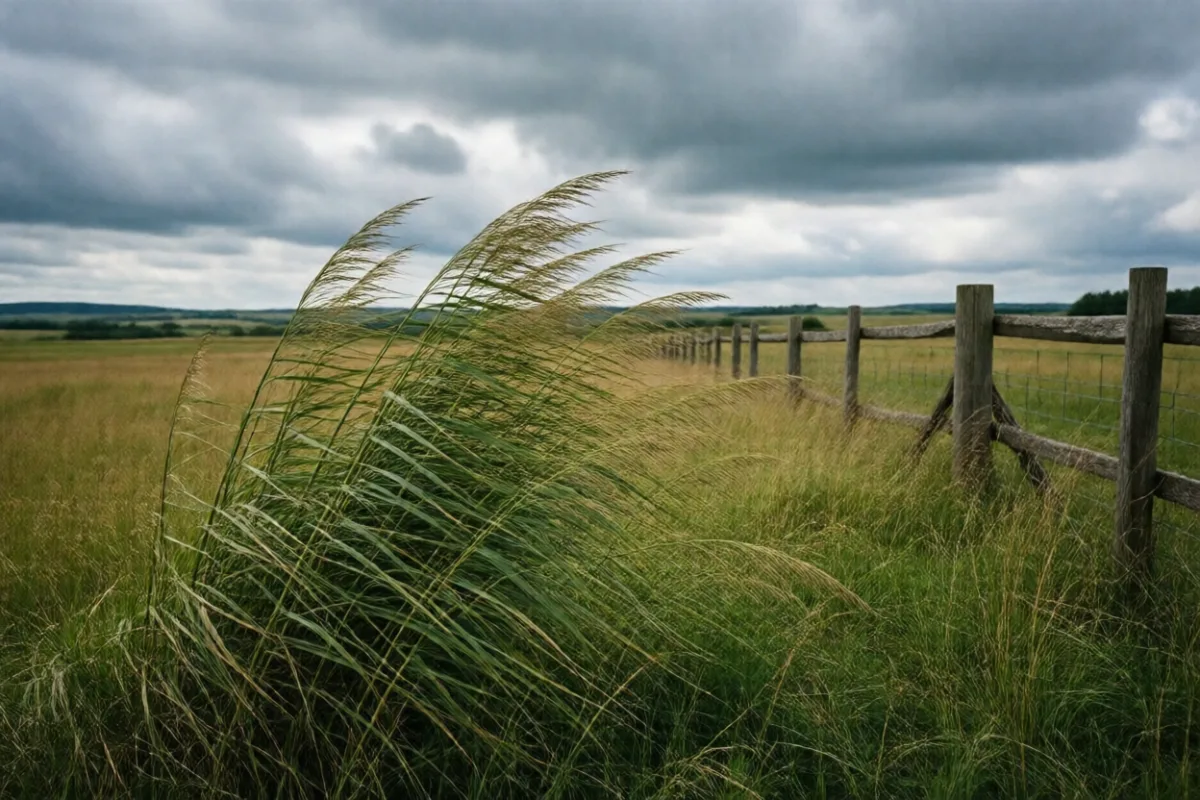
Small turbines sold to mount on a roof or a short pole usually disappoint. Air flowing over and around buildings is slow and turbulent, so they produce very little, sometimes only enough for a few light bulbs. They can also send noise and vibration into the house.
Wind vs solar for most homes
| Small wind | Rooftop solar | |
|---|---|---|
| Where it works | Rural, windy, open land | Most homes with a sunny roof |
| Cost for the power produced | Usually higher | Usually lower |
| Maintenance | Regular, with moving parts | Very little |
| Permits | Often harder | Usually straightforward |
| Night and winter output | Can be good | None at night, lower in winter |
When wind makes sense
- Rural properties with strong, steady wind and plenty of space.
- Off-grid homes, where wind and solar together cover more of the year, since wind is often stronger in winter.
- Farms and ranches with high power use.
If that's you, measure your wind, talk to experienced small wind installers and check local rules before you buy.
Common questions
A properly sized system on a tall tower, such as 5 to 15 kilowatts, often costs tens of thousands of dollars installed, including the tower, foundation and wiring. Cheap turbines sold online rarely produce what they promise.
Check wind maps from the US Department of Energy, ask local small wind installers, or measure wind at your site for a year. Average wind speed at the turbine's height matters most, since power rises steeply with wind speed.
Modern small turbines on tall towers are usually about as loud as a busy road heard from inside a home, but noise varies by model and wind. Neighbors and local rules often limit height and noise, so check before you buy.