Portable Power Station vs Generator: Which Is Right for You?
For outages, camping and RV trips, you can choose a battery power station or a fuel generator. Here's how they compare on power, run time, cost, noise and safety, how to size one for what you need to run, and how to use a generator safely.
By Pond.com editors Updated 3 min read
Quick answer
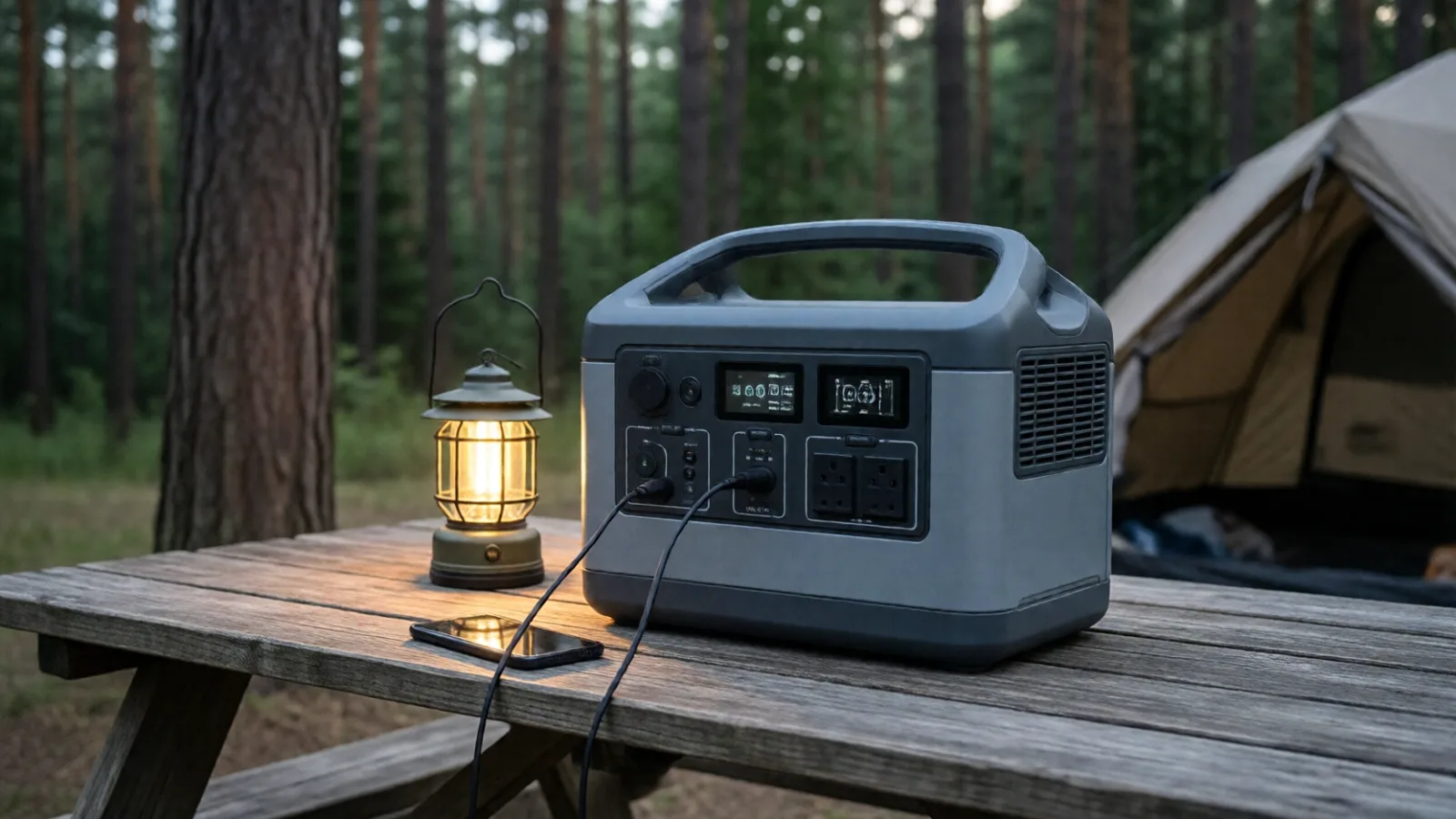
- Portable power stations are large rechargeable batteries; they're silent, safe indoors and easy to use, but store limited energy.
- Gas or propane generators run as long as you have fuel and handle bigger loads, but they're loud and give off deadly carbon monoxide.
- A power station suits phones, laptops, lights, a CPAP and short fridge use; a generator suits longer outages and bigger appliances.
- Never run a generator indoors, in a garage or near windows, and use a carbon monoxide alarm.
- Connecting a generator to your home's wiring needs a transfer switch or interlock installed by an electrician.
When the power goes out, a little backup goes a long way: keeping phones charged, the fridge cold and a CPAP running. The two main choices are a portable power station or a fuel generator, and they suit very different needs.
This article is general information. Follow the manufacturer's instructions, and use a licensed electrician for any connection to your home's wiring.
How they compare
| Portable power station | Portable generator | |
|---|---|---|
| Power source | Battery, recharged from a wall, car or solar panels | Gasoline, propane or both |
| Use indoors | Yes | Never |
| Noise | Silent or nearly | Loud |
| Run time | Limited by battery size | As long as you have fuel |
| Power for big appliances | Limited | Better |
| Maintenance | Very little | Oil changes, fuel storage |
| Typical cost | A few hundred to a few thousand dollars | A few hundred to a few thousand dollars |
Size it for what you need
Add up the watts of what you want to run and how long:
| Item | Typical use |
|---|---|
| Phone or laptop charging | 10 to 100 watts |
| CPAP machine | 30 to 90 watts |
| Wi-Fi router | 10 to 20 watts |
| LED lights | 5 to 15 watts each |
| Refrigerator | 100 to 800 watts while running, about 1 to 2 kWh a day |
| Window air conditioner | 500 to 1,500 watts |
For a power station, check both its capacity in watt-hours (how long it lasts) and its output in watts (what it can run at once). For a generator, check its running watts and starting watts for appliances with motors.
Generator safety
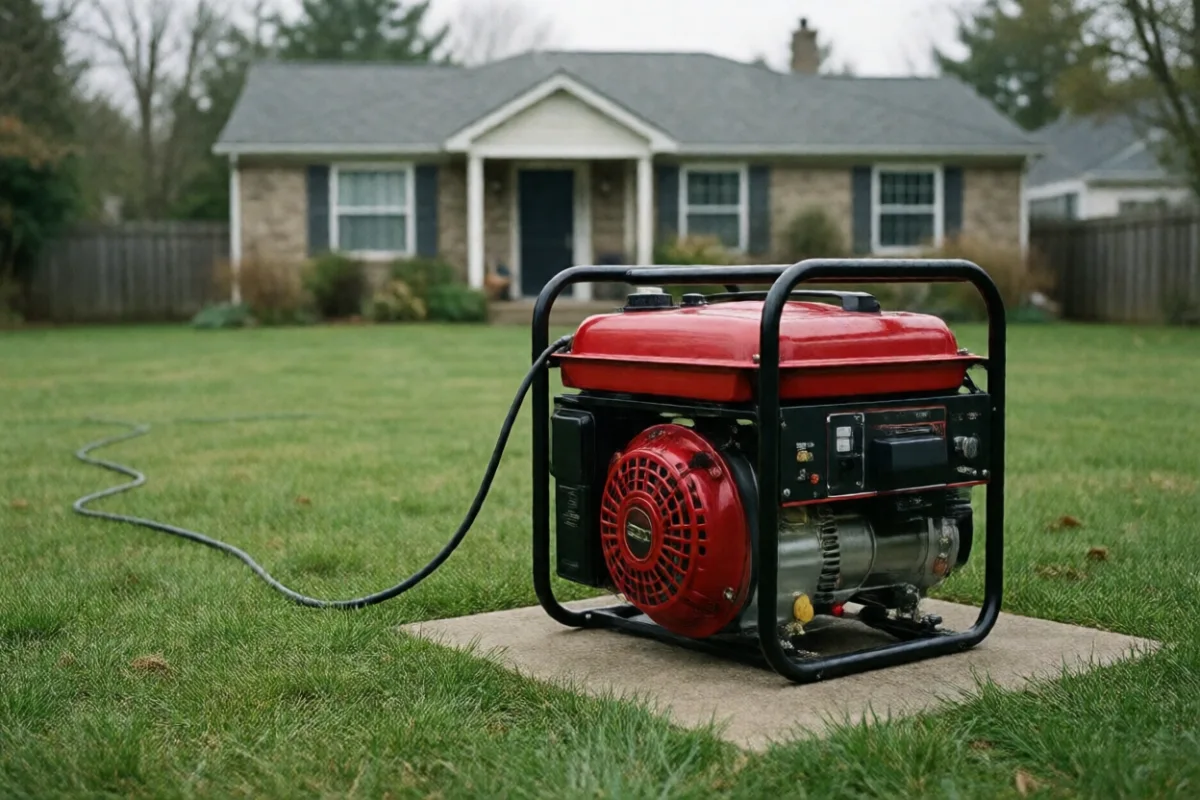
- Never run it indoors, in a garage, basement or shed, even with doors open. Carbon monoxide can kill in minutes.
- Keep it at least 20 feet from your home, with the exhaust pointed away from windows and doors.
- Install battery-powered carbon monoxide alarms in your home.
- Let it cool before refueling, and store fuel safely.
- Don't backfeed through a wall outlet. Use heavy-duty extension cords, or have an electrician install a transfer switch or interlock.
Which should you choose?
- Short outages, apartments, medical devices or camping: a portable power station.
- Longer outages and bigger appliances: a generator, used safely outdoors, or both together.
- Whole-home backup: a standby generator or home battery. See home battery storage explained.
Common questions
Yes, for a while. A typical fridge uses about 1 to 2 kWh a day, so a power station of around 2,000 watt-hours might run it for a day or so. Check that the station's output can handle the fridge's startup surge.
It's usually a portable power station sold with folding solar panels to recharge it. It doesn't generate power on its own. How quickly it recharges depends on the panels' size and the sun.
Backfeeding power through an outlet can electrocute utility workers repairing lines, damage your wiring and start a fire. To power home circuits, have an electrician install a transfer switch or interlock.