How Much Does It Cost to Build a Pond?
A backyard pond can cost a few hundred dollars or tens of thousands. Here's what drives the price, typical costs for DIY and professional ponds, what each piece of equipment costs, and how to keep the budget under control.
By Pond.com editors Updated 3 min read
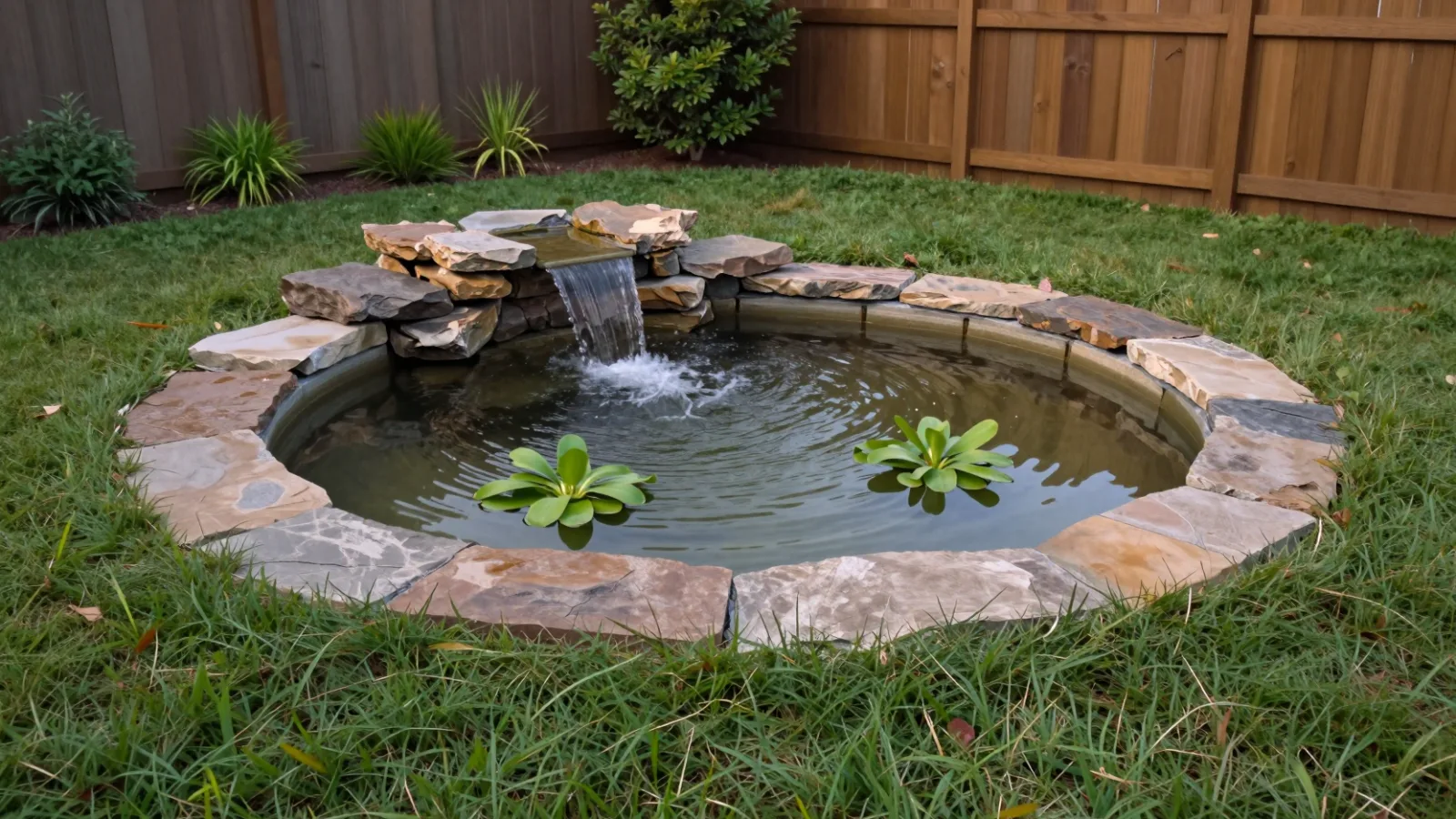
Quick answer
- A small DIY pond with a kit or liner often costs a few hundred to a few thousand dollars.
- Professionally installed garden ponds commonly run from about $3,500 to $15,000, and koi ponds cost more.
- The liner, pump, filter and any waterfall are the biggest equipment costs.
- Budget for running costs too, mainly electricity for the pump, plus water treatments, fish food and replacement UV bulbs.
- Bigger and deeper costs more to build, but a well-sized pond is easier and cheaper to keep healthy.
The cost of a backyard pond varies more than almost any other garden project. A small preformed pond you install yourself might cost a few hundred dollars, while a large, professionally built koi pond with a waterfall can run well into five figures. Knowing what drives the price helps you plan a pond you can afford to build and to run.
Typical costs
These are rough national figures; prices vary a lot by region, site and design.
| Type of pond | Typical cost |
|---|---|
| Small DIY preformed or kit pond | A few hundred to about $1,500 |
| Larger DIY liner pond with pump, filter and edging | About $1,000 to $5,000 |
| Professionally installed garden pond | About $3,500 to $15,000 |
| Professionally installed koi pond | About $5,000 to $16,000 or more |
Kits range from about $500 for small ones to several thousand dollars for large ones, and usually include a liner, pump, filter and fittings. See pond kits to compare what's included.
What drives the price
- Size and depth: more digging, more liner and bigger equipment. Koi ponds need at least 1,000 gallons and 3 feet of depth.
- Liner type: flexible liners are cheapest per square foot, preformed shells cost more, and concrete costs the most. Our pond liner guide compares materials.
- Equipment: pumps range from about $50 to $500, and filters from about $150 to over $1,000, depending on pond size.
- Features: a waterfall or stream adds rock, a bigger pump and often hundreds to thousands of dollars.
- Site work: slopes, rocky or clay soil, tree roots and poor access all add labor.
- Electrical: you need a GFCI-protected outdoor outlet near the pond. Hiring a licensed electrician to add one is a common extra cost.
- Stone and planting: edging stone, gravel and plants add up quickly, especially for natural-looking ponds.
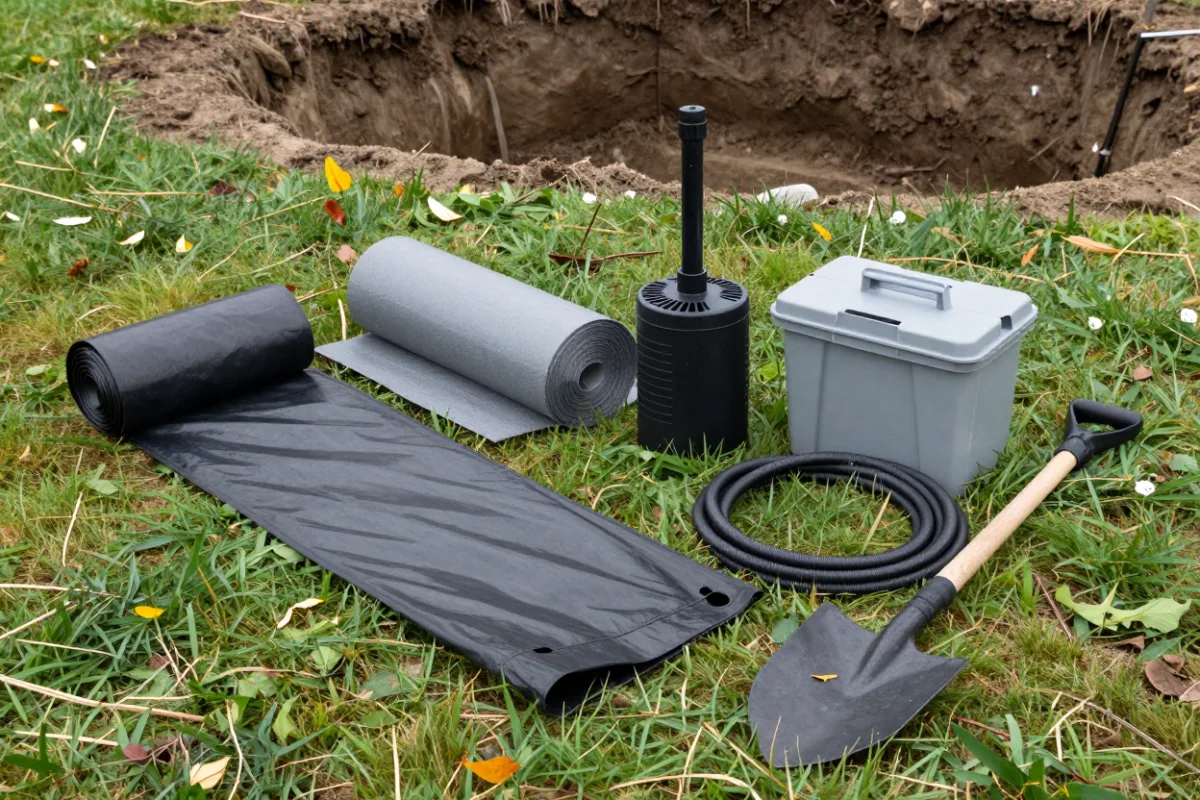
Equipment checklist and costs
| Item | Rough cost |
|---|---|
| Flexible liner (EPDM rubber) | About $0.65 to $2.30 per sq ft |
| Underlayment | A fraction of the liner cost |
| Pump | About $50 to $500 |
| Filter (with or without UV) | About $150 to $1,300 |
| Skimmer | Varies by size |
| Edging stone, gravel, plants | Highly variable |
Use the pond calculators to work out your pond's volume and the liner size you need before you buy. Our guides to pond pumps and pond filters explain how to size them.
Don't forget running costs
- Electricity: the pump usually runs around the clock. A more efficient pump can cost more upfront but save money every month.
- Water treatments and test kits: dechlorinator, beneficial bacteria and test strips.
- Fish food and plants.
- UV bulbs: usually replaced every year.
- Winter equipment: a de-icer or air pump in cold climates. See do you need a pond de-icer?
Ways to save
- Start smaller and expand later, or add a waterfall in a second season.
- Do the digging yourself, or rent a mini excavator for larger ponds.
- Buy a quality liner even on a budget. Replacing a failed cheap liner costs far more.
- Size the pump correctly rather than buying the biggest one, to save on electricity.
- Use plants to help keep water clear, so you rely less on equipment and treatments. See pond plants.
Common questions
A small preformed pond or a flexible liner pond you dig yourself is cheapest. Choose a simple shape, skip the waterfall at first, and size the pump and filter properly rather than buying the biggest available. You can add features later.
Most of the running cost is electricity for the pump, which depends on its wattage and your electricity rate. A small, efficient pump running all day might cost a few dollars a month, while large pumps for koi ponds and waterfalls can cost much more. Check the pump's watts and multiply by 24 hours and your rate per kWh.
Yes. Koi need a much larger, deeper pond, typically at least 1,000 gallons and 3 feet deep, with stronger pumps and filtration, so both the building and running costs are higher.
It depends on the buyer. A well-built, attractive pond can be a selling point, but some buyers see ponds as extra maintenance or a safety concern. Build a pond because you will enjoy it, not as an investment.
Step 1 of 15 in the complete pond guide Next: Pond Kits: What's Included and How to Choose One