Thanksgiving Road Trip Tips: Beat the Traffic and Stress
Most Thanksgiving travelers go by car, which means some of the busiest roads of the year. Here's when to leave, how to get your car ready for late-fall weather, how to travel with food safely, and how to keep everyone comfortable on the way.
By Pond.com editors Updated 2 min read
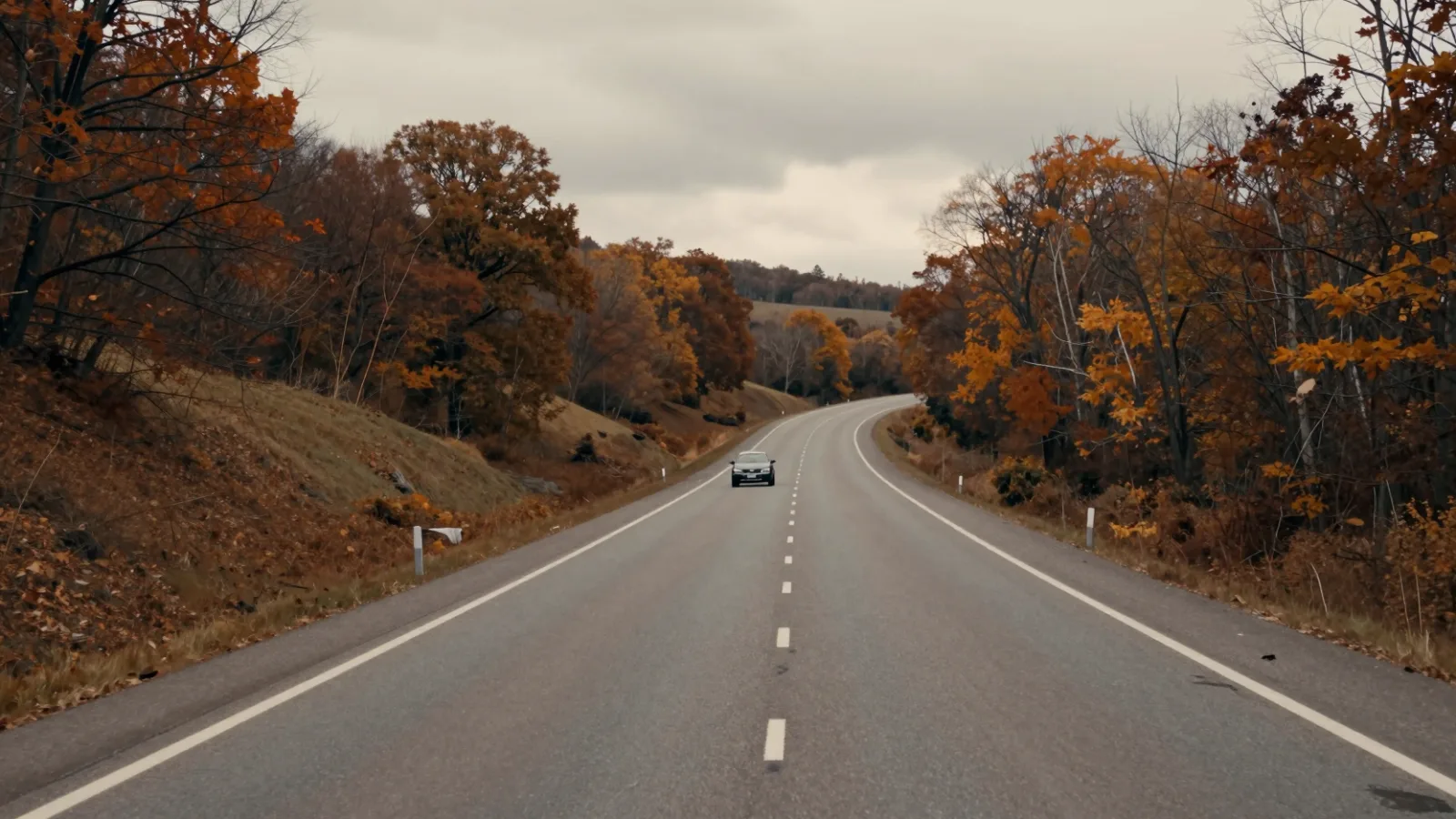
Quick answer
- The afternoon and evening of the Tuesday and Wednesday before Thanksgiving are usually the worst times to drive.
- Leave early in the morning, or drive on Thanksgiving Day itself, to avoid the heaviest traffic.
- Check tires, wipers, fluids and the battery before you go, and pack a winter emergency kit.
- Keep cold dishes at 40°F or below in a cooler with ice packs, and hot dishes hot or chilled.
- Plan breaks every two hours or so, and check the weather and road conditions before you leave.
Thanksgiving is one of the busiest times of the year on American roads, and most holiday travelers drive. A little planning around timing, your car and the food you're bringing can make the trip a lot smoother.
Pick the right time to leave
| Usually worst | Usually better | |
|---|---|---|
| Going | Tuesday and Wednesday afternoons and evenings | Early mornings, or Thanksgiving Day itself |
| Coming back | Sunday afternoon | Saturday, early Sunday or Monday |
Check a traffic app the night before and in the morning, and be ready to leave an hour earlier than you planned.
Get the car ready
Late November can bring snow, ice and freezing rain to much of the country.
- Tires: check the pressure and tread. See winter tires vs all-season tires.
- Wipers and washer fluid: use winter fluid in cold areas.
- Battery: get it tested if it's more than 3 years old. See how to tell if your car battery is dying.
- Emergency kit: blankets, a scraper, a flashlight, water, snacks, a phone charger and jumper cables. See the winter driving safety checklist.
Bringing food
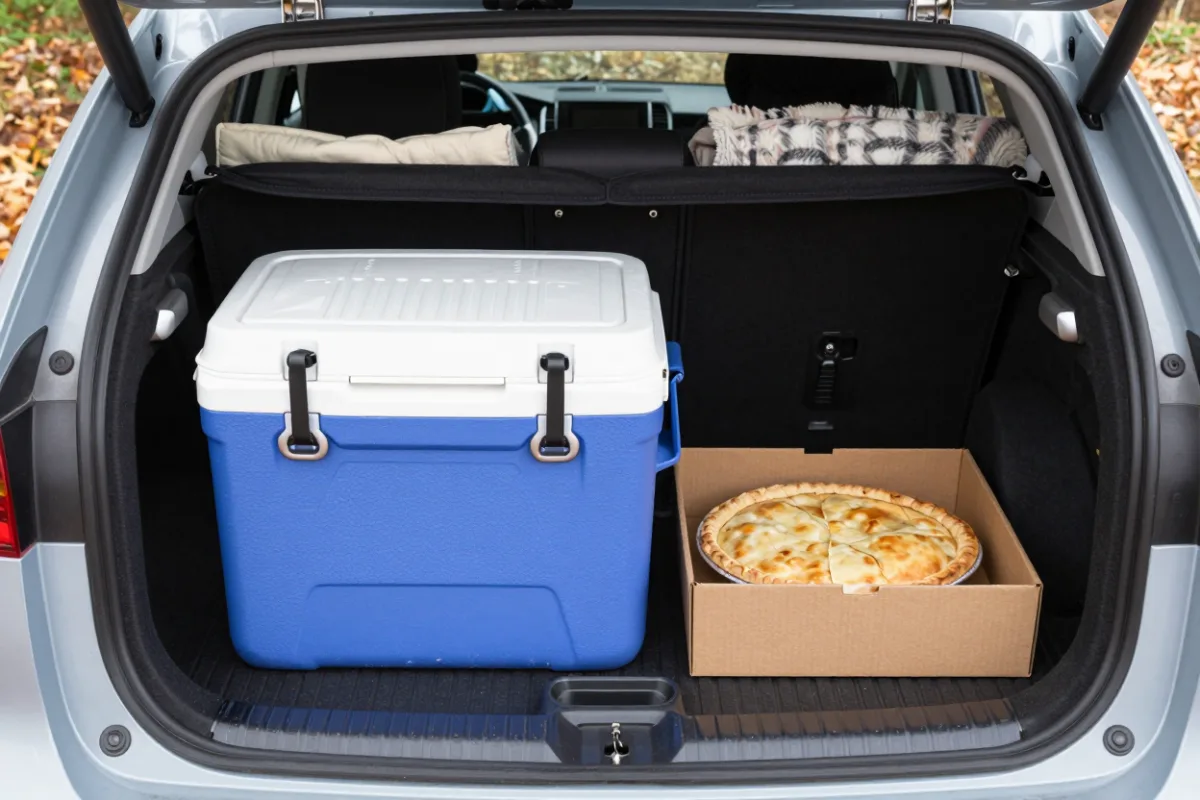
- Cold dishes: in a cooler with plenty of ice packs, at 40°F or below.
- Hot dishes: in insulated carriers, or chill them first and reheat on arrival.
- Pies: in a box on a flat surface, wedged so they can't slide.
- Keep the cooler inside the car rather than in a hot trunk on a long drive.
Keep everyone comfortable
- Stop every two hours or so to stretch and swap drivers.
- Pack snacks and water so you don't depend on crowded rest stops.
- Download music, podcasts and shows before you leave; signal can drop in rural areas.
- Kids: see road trips with kids.
- Pets: use a secure crate or harness and bring water, food and a leash.
Safety on the road
- Check the weather along your whole route, not just at home and your destination.
- Don't drive drowsy. Share the driving or stop for the night if you need to.
- Watch for impaired drivers, especially on Thanksgiving Eve, which is one of the most dangerous nights on the road.
Common questions
Thanksgiving Day itself is often one of the quieter days, especially in the morning. If you need to leave earlier, go early on Monday or Tuesday, or very early on Wednesday morning before the afternoon rush.
Sunday afternoon is usually the busiest. Driving home on Saturday, early Sunday morning or on Monday can help you avoid the worst traffic.
Pack cold foods in a cooler with plenty of ice or ice packs to keep them at 40°F or below, and keep the cooler inside the car rather than in a hot trunk. Hot foods should be kept hot in insulated carriers, or chilled before the trip and reheated when you arrive. Food left in the danger zone for over two hours should be thrown away.