Winter Tires vs All-Season Tires
All-season tires are a compromise that works for most drivers, but in real winter conditions, winter tires stop and grip far better. Here's how they differ, who needs winter tires, the all-weather option in between, and how to swap and store them.
By Pond.com editors Updated 3 min read
Quick answer
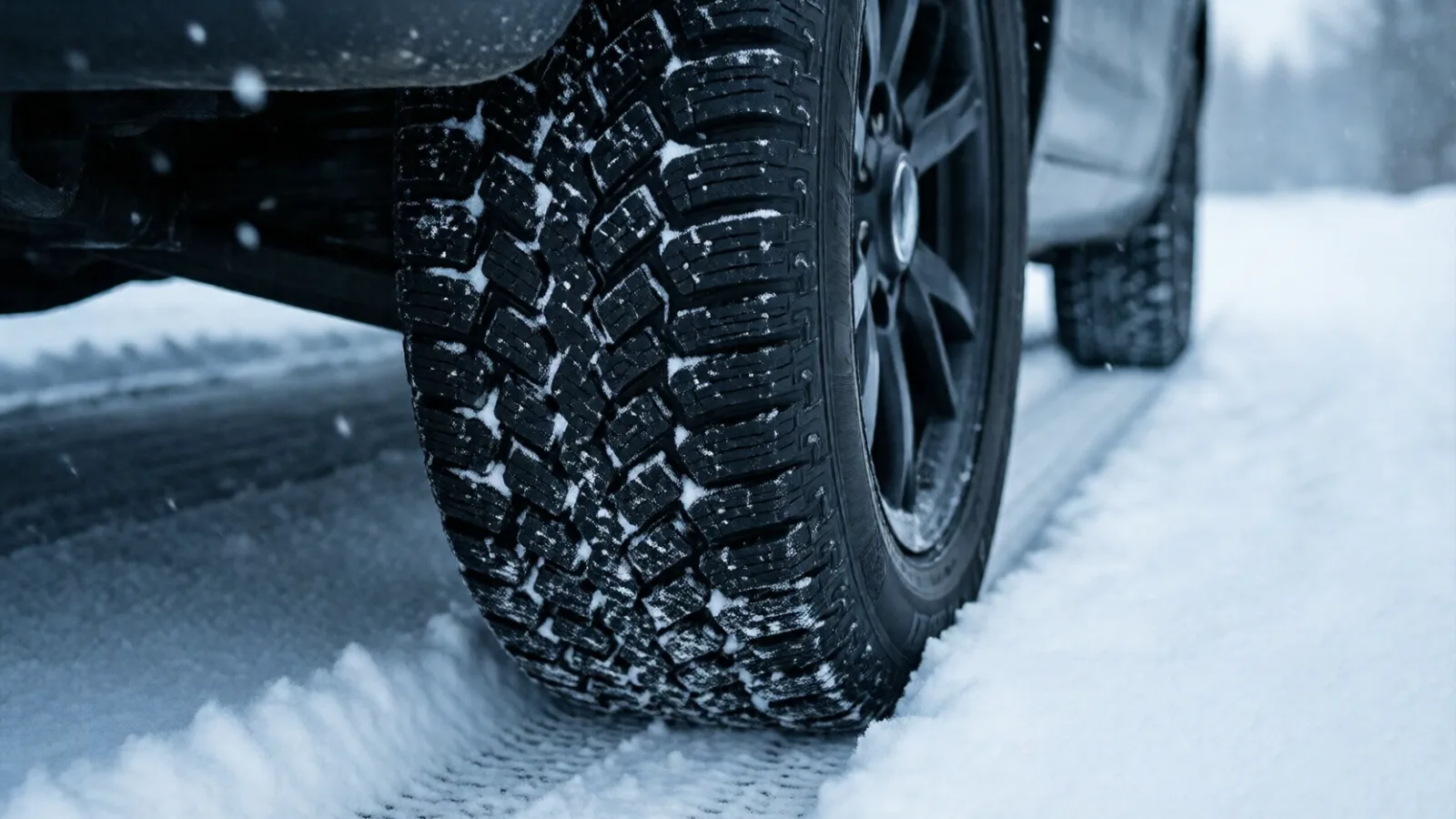
- Winter tires use softer rubber and deeper, sharper tread that stay grippy in cold, snow and ice.
- All-season tires are fine for mild winters but lose grip as temperatures drop, especially on snow and ice.
- If you regularly drive in snow, ice or temperatures below about 45°F, winter tires are worth considering.
- All-weather tires marked with the three-peak mountain snowflake are a middle option you can use all year.
- Fit winter tires on all four wheels, and swap back to regular tires in spring.
If you live where winters bring snow, ice or long stretches of freezing weather, your tires matter more than almost anything else on your car. All-season tires are what most cars come with, but their name is a little misleading. In real winter conditions, winter tires stop and steer far better.
How they differ
| All-season tires | Winter tires | |
|---|---|---|
| Rubber | Firmer; stiffens in the cold | Softer; stays flexible below freezing |
| Tread | Moderate depth | Deeper, with many small slits (sipes) that bite into snow and ice |
| Best for | Mild winters, rain, dry roads | Snow, ice, slush and cold temperatures |
| Year-round use | Yes | No; they wear quickly in warm weather |
Below about 45°F, all-season rubber starts to stiffen and lose grip. Winter tires keep gripping, which can shorten stopping distances on snow and ice considerably.
Who needs winter tires?
Consider winter tires if you:
- Regularly drive on snow- or ice-covered roads
- Live in hilly areas with winter weather
- Have to drive to work no matter the weather
All-season tires are usually enough if you:
- Live where snow is rare and roads are cleared quickly
- Can stay home on the worst days
The middle option: all-weather tires
All-weather tires carry the three-peak mountain snowflake symbol, meaning they meet a standard for snow traction, yet can be used all year. They're not as strong as true winter tires on ice, but they're a good option for moderate winters if you don't want to swap tires twice a year.
Tips for winter tires
- Fit all four. Mixing tires can make the car unstable.
- Buy a second set of wheels. Mounting winter tires on their own wheels makes seasonal swaps quicker and cheaper.
- Check pressure often; it drops as temperatures fall. See how to winterize your car.
- Swap back in spring once temperatures stay above about 45°F.
Storing your off-season tires
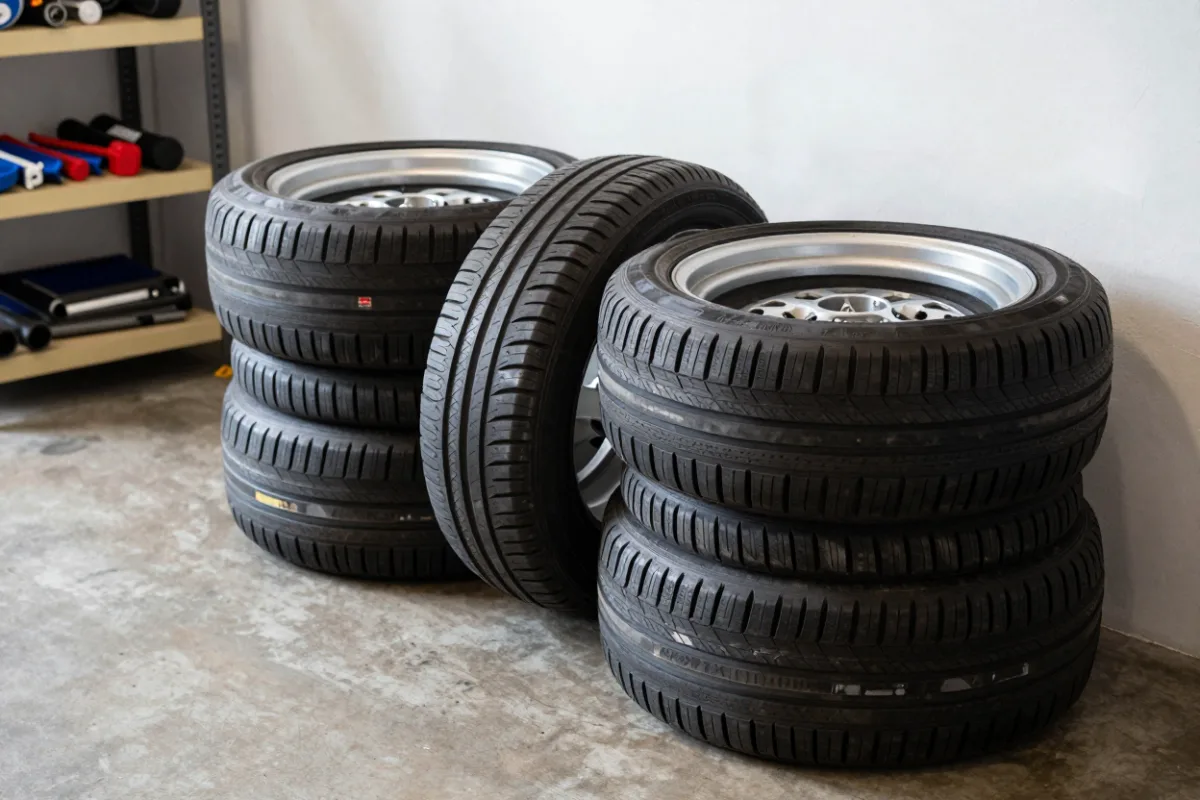
Clean them, let them dry, and store them somewhere cool, dry and out of sunlight. Stack tires mounted on wheels, or hang them; stand unmounted tires upright.
Costs
Winter tires add an upfront cost, but they spread wear across two sets, so each lasts longer. Some insurers offer a small discount for winter tires; ask yours.
Common questions
A common rule is when daytime temperatures stay below about 45°F, usually from late fall. Switch back in spring once temperatures stay above that, because winter tires wear quickly in warm weather.
No. Fitting only two can make the car unstable and more likely to spin or slide. Always fit winter tires on all four wheels.
Yes. All-wheel drive helps you get moving, but it doesn't help you stop or turn. Tires provide the grip for braking and steering, which is where winter tires make the biggest difference.