Moving in Winter: How to Plan a Cold-Weather Move
Moving between November and March can save money and make it easier to book movers, but snow, ice and short days add challenges. Here's how to plan a winter move, protect your belongings and home, keep everyone safe and warm, and handle weather delays.
By Pond.com editors Updated 2 min read
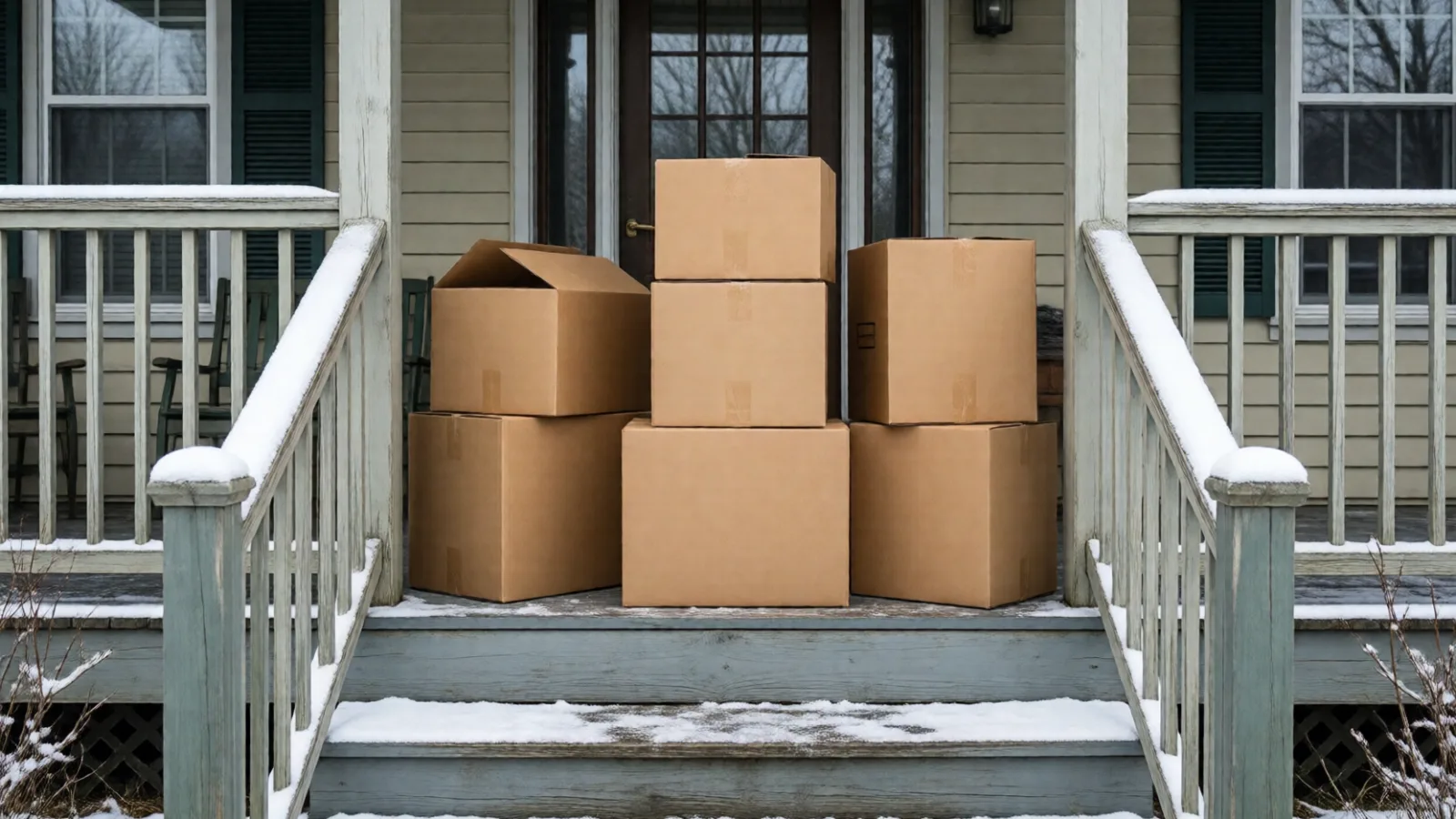
Quick answer
- Fall and winter are the off-season for movers, so prices are often lower and dates easier to get.
- Avoid the holiday weeks, and build a backup day into your plan in case of snow or ice.
- Clear and salt paths at both homes, and protect floors from wet boots.
- Make sure the heat and power are on at your new home before moving day.
- Keep electronics, plants and liquids in a heated car, not a cold truck.
Most people move in spring and summer, but winter has real advantages: lower prices, more available dates and movers who aren't rushing between jobs. With a little extra planning, a winter move can go just as smoothly.
This article is general information.
Why winter can be a good time to move
- Lower prices: many movers charge less outside the busy season.
- Easier booking: more choice of dates and companies.
- Faster service: crews often have more time for your job.
The exception is the holiday weeks, when demand and prices can jump. See how to budget for a move.
Plan around the weather
- Book early in the day to make the most of daylight.
- Pick a backup date, and ask movers about their bad-weather policy before you book.
- Watch the forecast for both homes and the route between them.
- Get your car ready if you're driving. See winter driving safety checklist.
Prepare both homes
- Clear and salt driveways, sidewalks and steps the night before and on the day.
- Protect floors with runners, cardboard or old rugs, and put a big mat at each door.
- Set up utilities so the heat, power and water are on at your new home before you arrive.
- Keep the heat on low at your old home until you leave, to avoid frozen pipes.
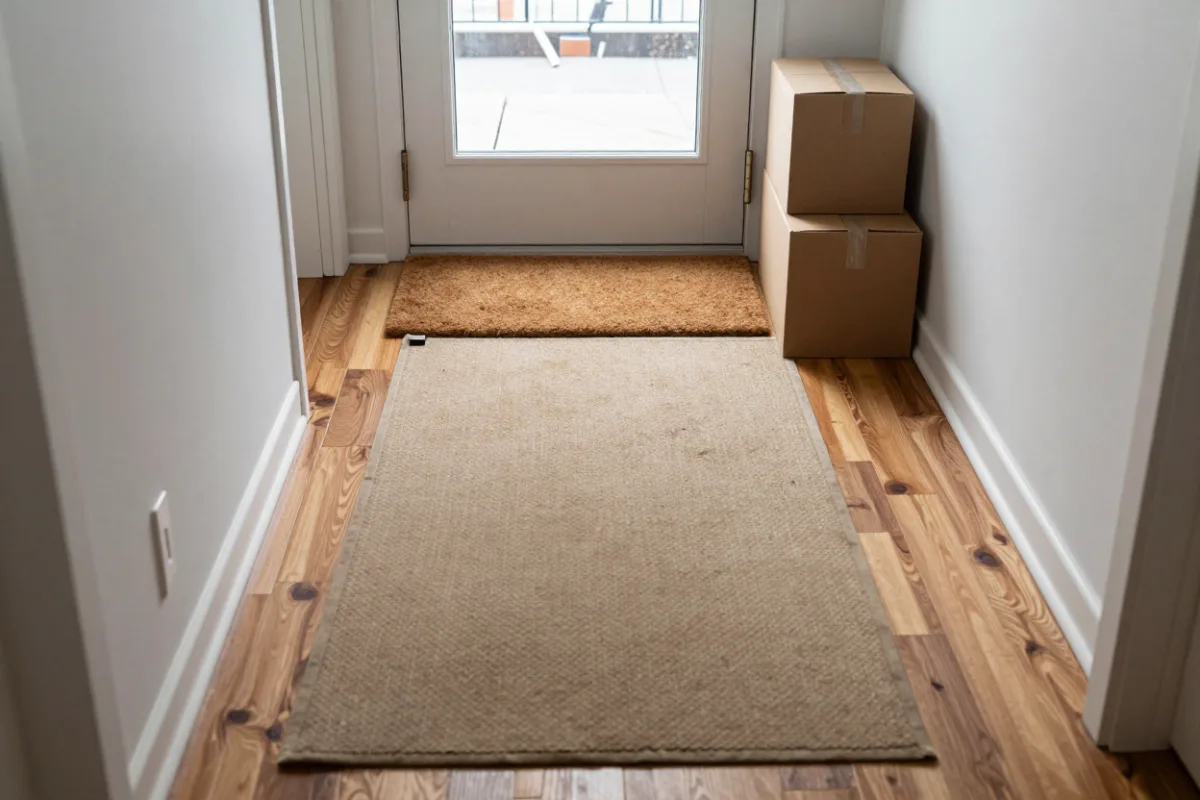
Protect your belongings
- Wrap furniture in moving blankets or plastic to keep off snow and slush.
- Use plastic bins for anything that mustn't get wet.
- Carry cold-sensitive items in a heated car: electronics, houseplants, liquids, paints, instruments and important documents.
- Let electronics warm up to room temperature before switching them on, to avoid condensation inside.
Keep everyone safe and warm
- Wear boots with good grip and layers you can take off.
- Keep the doors closed between loads to save heat.
- Have hot drinks and snacks ready for everyone helping.
- Keep kids and pets in a warm room away from open doors.
Common questions
Often, yes. Most moves happen in late spring and summer, so many moving companies charge less and have more open dates from fall to early spring. The weeks around the holidays can still be busy and expensive.
Anything that can freeze or be damaged by cold, such as liquids, paint, houseplants, electronics, musical instruments and important papers you'll need straight away. Carry them in your heated car instead.
Call your movers early to check their weather policy and whether they'll reschedule without a fee. Ask about this when you book, and keep a flexible day before or after your planned date if you can.