How to Budget for a Move
Moving costs add up quickly, from movers and boxes to deposits and new furniture. Here's what to include in your moving budget, how DIY and full-service moves compare, and practical ways to cut the cost.
By Pond.com editors Updated 2 min read

Quick answer
- List every cost, including movers or a truck, supplies, deposits, utility setup, travel and new household items.
- Get several quotes, since moving prices vary a lot by company, date and distance.
- Add a buffer of 10% to 15% for surprises.
- Moving midweek, mid-month and outside summer is often cheaper.
- Declutter before you move, because you pay to move every box.
Moving almost always costs more than people expect. Beyond the truck or movers, there are deposits, supplies, travel, utility fees and all the small things you buy for a new place. Building a realistic budget early helps you avoid putting it all on a credit card.
Costs to include
Getting your things there
- Movers, or a rental truck plus fuel, mileage and insurance
- Packing supplies: boxes, tape, paper, bubble wrap
- Packing services, if you hire them
- Storage, if there's a gap between homes
- Shipping a car, if needed
Your new home
- Security deposit and first month's rent (renters)
- Closing costs (buyers); see how to save for a down payment
- Utility deposits and setup or connection fees
- Internet installation
- Renters or homeowners insurance
Travel and time
- Gas, flights, hotels and meals on the road
- Time off work
- Pet travel or boarding
After you arrive
- Cleaning supplies and cleaners for your old place
- New furniture, curtains, shower curtains and household basics
- Driver's license and vehicle registration if you change states
Add a 10% to 15% buffer for surprises.
DIY or hire movers?
| Option | Cost | Effort |
|---|---|---|
| Full DIY with friends and a rental truck | Lowest | Highest |
| Portable storage container | Moderate | You pack and load |
| Labor-only movers plus your truck | Moderate | You drive |
| Full-service movers | Highest | Lowest |
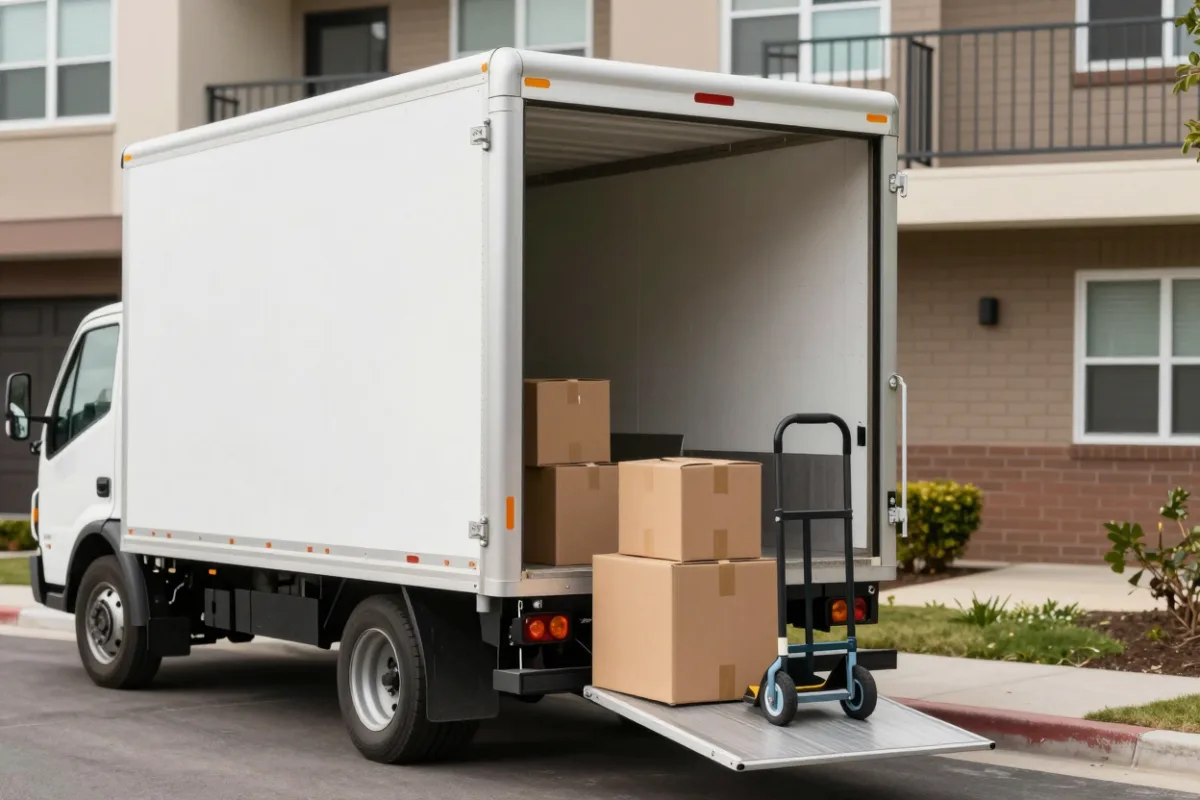
Factor in your time, stairs, distance and anything heavy. Injuries and damaged furniture can make DIY more expensive than it looks.
Ways to cut costs
- Declutter first. Sell what you won't take and use the money for the move.
- Get at least three quotes and compare what's included; see how to choose a moving company.
- Move off-peak: midweek, mid-month and outside summer.
- Find free boxes from stores and community groups.
- Pack yourself instead of paying for packing.
- Ask about relocation help if you're moving for a job; some employers cover part of the cost.
- Get your deposit back by cleaning thoroughly and documenting your old place's condition.
Common questions
It depends on distance, the size of your home, the time of year and whether you hire movers. A small local DIY move might cost a few hundred dollars, while a full-service move across the country for a family home can cost many thousands. Get quotes for your specific move.
For most people, no. The federal moving expense deduction is generally available only to active-duty members of the Armed Forces moving because of a military order. Some states have their own rules, so check with a tax professional.
Moving from fall through early spring is usually cheaper than summer, and weekdays in the middle of the month are cheaper than weekends and month-ends, when demand is highest.