How to Care for Poinsettias and Other Holiday Plants
Poinsettias, Christmas cactus and amaryllis can brighten your home well past the holidays with the right light, water and temperature. Here's how to pick healthy plants, care for each one, and get them to bloom again next year.
By Pond.com editors Updated 3 min read
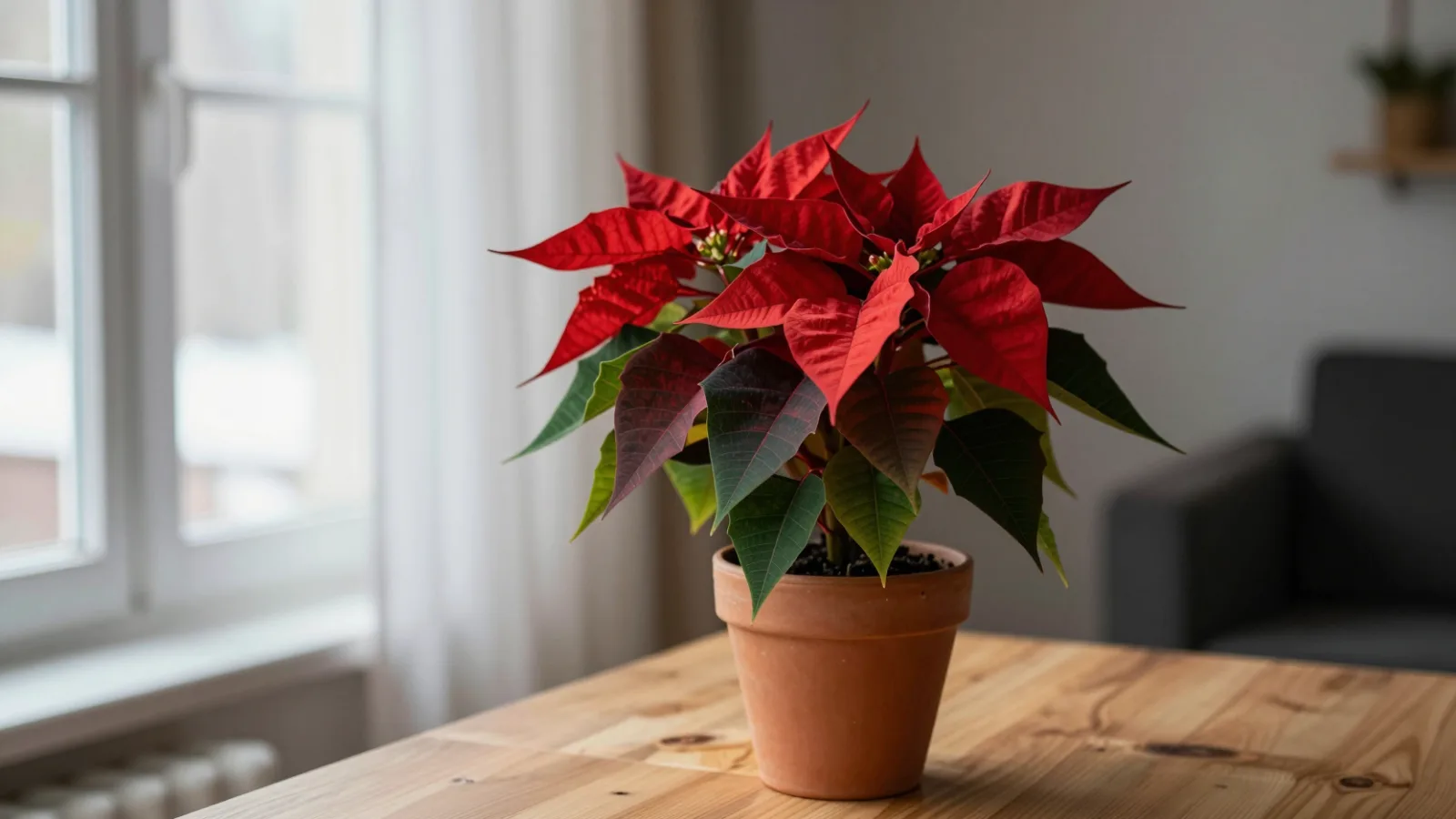
Quick answer
- Give holiday plants bright, indirect light and keep them away from cold drafts and heat vents.
- Water poinsettias when the top of the soil feels dry, and never leave them standing in water.
- Remove or poke holes in decorative foil wrappers so water can drain.
- Christmas cactus likes slightly more water while blooming and cool nights to set buds.
- Amaryllis bulbs bloom about 6 to 10 weeks after planting, so start them in early November for December flowers.
A pot of red poinsettias or a Christmas cactus covered in pink flowers is part of the season for many families. Too often, though, they're tossed out by New Year's. With a few simple habits, holiday plants can stay beautiful for weeks, and some will bloom again next year.
Choosing healthy plants
- Look for tight buds. On poinsettias, the tiny yellow flowers in the center should be closed. On Christmas cactus and amaryllis, look for plenty of unopened buds.
- Check the leaves. Avoid plants with wilting, yellowing or dropped leaves.
- Protect them on the way home. A few minutes in freezing air can damage them; ask for a sleeve or bag.
Poinsettias
| Need | What to do |
|---|---|
| Light | Bright, indirect light, such as near a sunny window |
| Temperature | About 60 to 70°F; away from drafts, doors, heaters and vents |
| Water | When the top of the soil feels dry; drain well |
| Wrapper | Remove foil or poke holes in it so water doesn't pool |
Reblooming is possible but takes effort. From early October, poinsettias need about 14 hours of total darkness each night for 8 to 10 weeks. Most people simply enjoy them for the season.
Christmas cactus
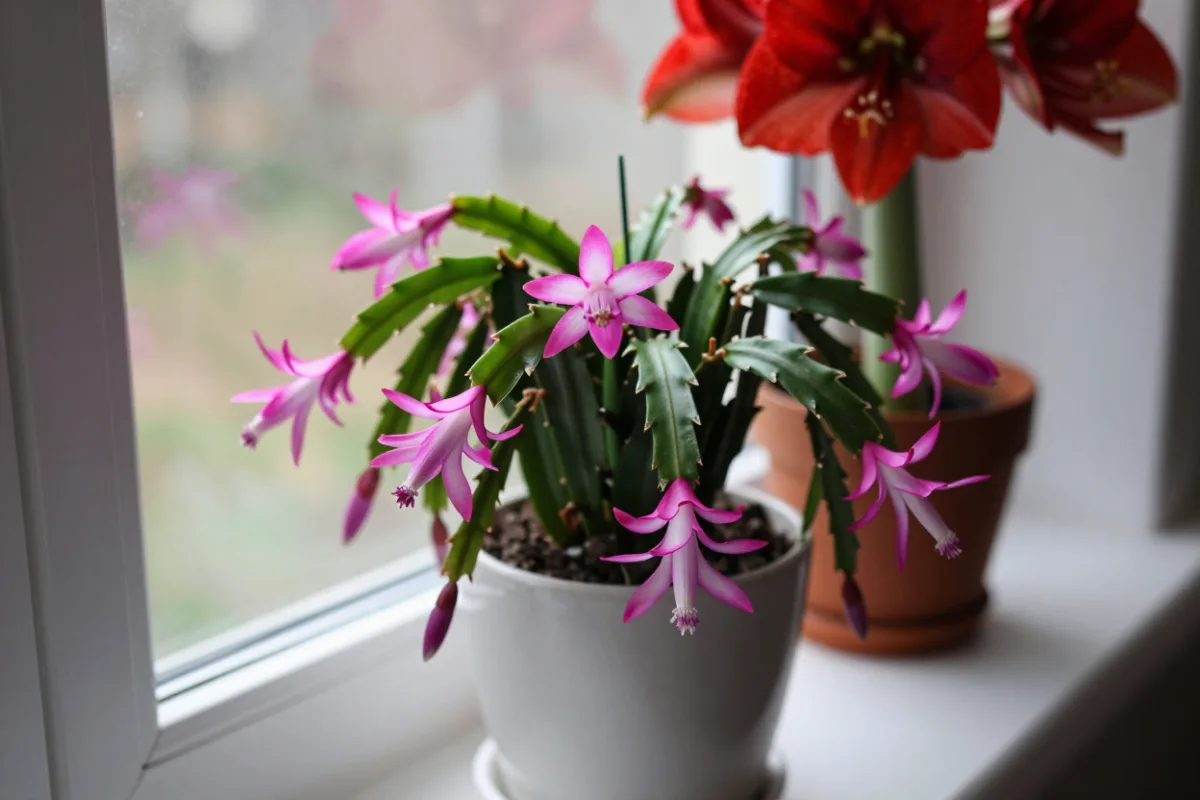
Despite the name, Christmas cactus comes from tropical forests, not deserts.
- Light: bright, indirect light; harsh direct sun can scorch it.
- Water: when the top inch of soil is dry; a little more often while blooming.
- Don't move it while it's in bud, since sudden changes can make buds drop.
- Rebloom: cool nights or long nights in fall set new buds.
It can live for decades and is easy to grow from cuttings.
Amaryllis
- Plant the bulb with the top third above the soil, in a pot just a little wider than the bulb.
- Water sparingly until growth starts, then keep the soil lightly moist.
- Turn the pot every few days so the stem grows straight.
- Timing: flowers usually appear about 6 to 10 weeks after planting.
After it blooms, cut off the flower stalk but keep the leaves growing in a sunny window to feed the bulb for next year.
Pets and children
Poinsettias are only mildly toxic, but amaryllis, mistletoe and holly berries are more harmful, and lilies can be deadly to cats. Keep holiday plants out of reach.
Common questions
Poinsettias are only mildly toxic. Their sap can cause drooling, mild stomach upset or skin irritation in cats and dogs, but serious poisoning is rare. Amaryllis and lilies are more dangerous, especially lilies for cats. Keep holiday plants out of reach and call your vet if you're worried.
Leaf drop is usually caused by cold drafts, sudden temperature changes, or too much or too little water. Keep the plant in a warm spot between about 60 and 70°F, away from doors and heaters, and water only when the topsoil is dry.
In fall, give it about six weeks of cool nights, around 50 to 60°F, or 12 to 14 hours of darkness each night. Water a little less during this time. Buds should form, and then you can move it back to normal conditions.