Car Maintenance Schedule: What to Check and When
Regular maintenance keeps your car safe, reliable and worth more when you sell it. Here's a simple schedule of what to check monthly, at each oil change and at major mileage points, plus the seasonal jobs and warning signs not to ignore.
By Pond.com editors Updated 4 min read
Quick answer
- Your owner's manual has the exact schedule for your car. Follow it, and use the "severe" schedule if you drive mostly short trips, in extreme heat or cold, or tow.
- Check tire pressure, tire tread, lights and fluid levels about once a month.
- Most modern cars need an oil change every 5,000 to 10,000 miles, or as the car's oil-life monitor says.
- Rotate tires about every 5,000 to 7,500 miles, often at the same time as the oil change.
- Never ignore warning lights, grinding brakes, overheating or a car pulling to one side.
A little regular maintenance is the cheapest way to keep a car running well. It prevents breakdowns, keeps you safe, improves fuel economy and helps the car hold its value. Most of the checks take only minutes, and a few are easy to do yourself.
Start with your owner's manual
Every car is different, and your owner's manual has the manufacturer's maintenance schedule for your exact model. If you've lost it, most manufacturers post manuals and schedules on their websites.
Many manuals list two schedules:
- Normal service for mostly highway driving in mild weather.
- Severe service for frequent short trips, stop-and-go traffic, extreme heat or cold, dusty roads, or towing. Many everyday drivers actually fall into this category, so read the definitions.
Many newer cars also have an oil-life or maintenance reminder on the dashboard that tells you when service is due.
Monthly checks (about 10 minutes)
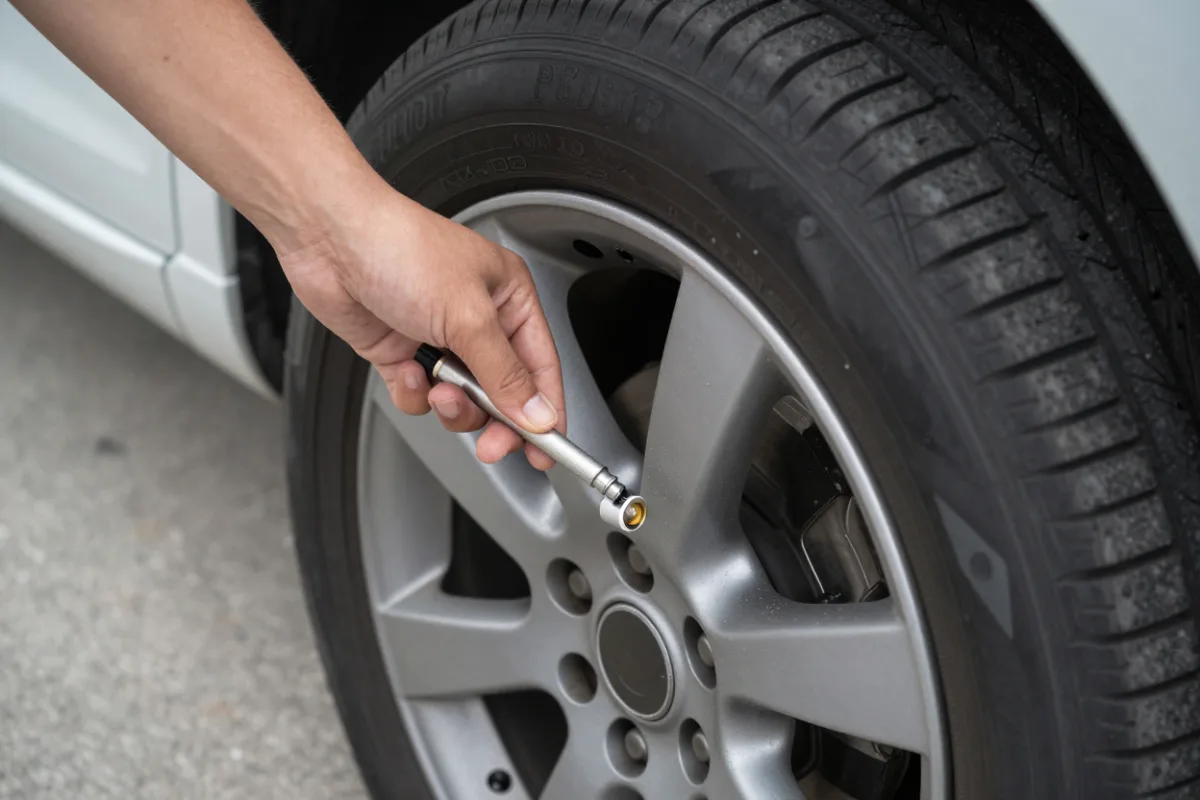
- Tire pressure, including the spare if you have one. Use the pressure on the sticker inside the driver's door, not the number on the tire. Check when the tires are cold.
- Tire tread and condition: look for uneven wear, cracks, bulges or nails.
- Lights: headlights, brake lights, turn signals and hazard lights.
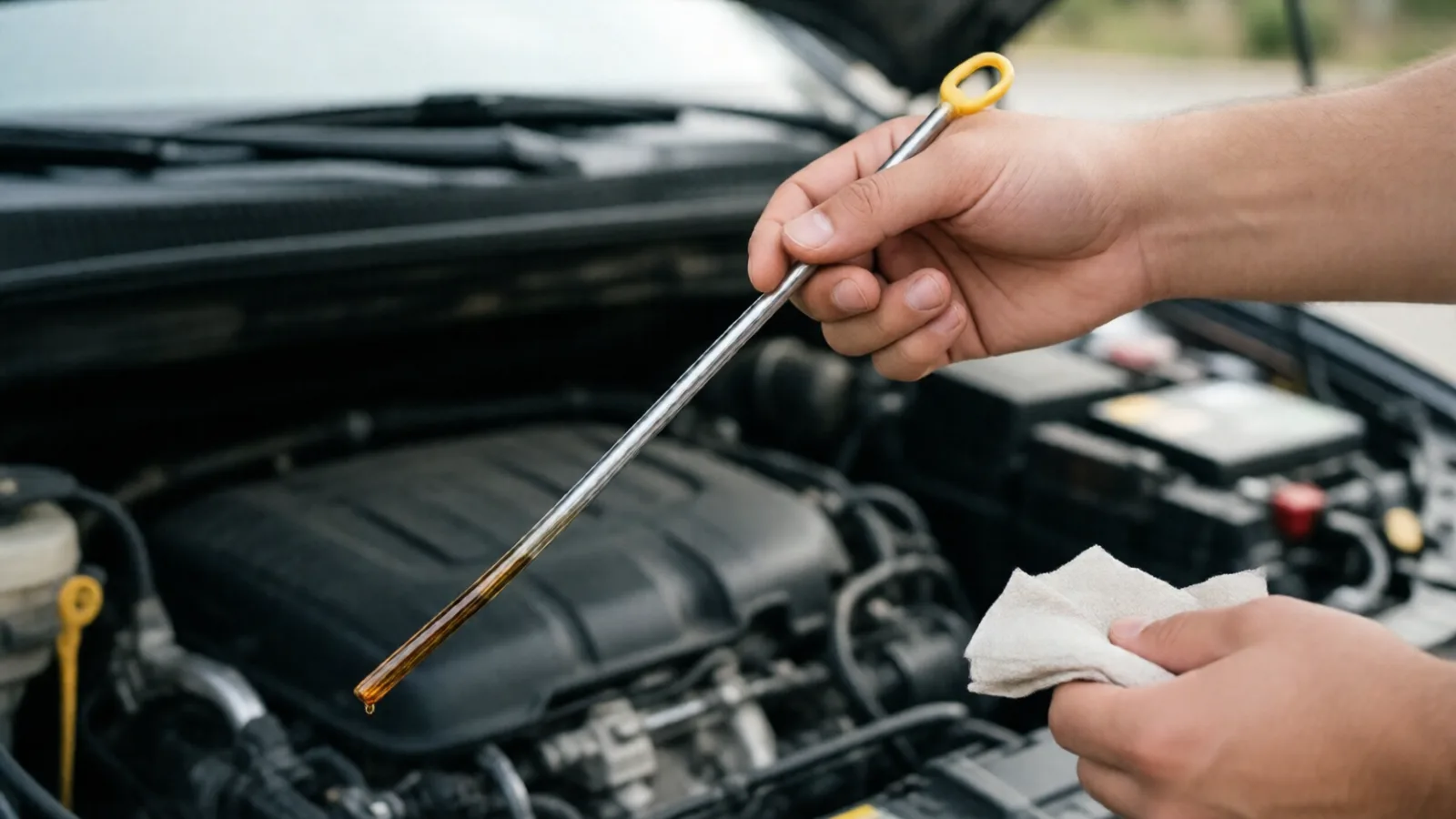
- Fluid levels: engine oil, coolant (only when the engine is cold), windshield washer fluid, and brake fluid if your manual says to check it.
- Wiper blades: replace them if they streak or chatter.
- Look underneath where you park for drips or puddles.
Typical maintenance schedule
These are common intervals for gas cars. Always check your manual, since your car may differ.
| When | What to do |
|---|---|
| Every 5,000–10,000 miles (or per oil-life monitor) | Oil and oil filter change; top up fluids; inspect belts, hoses and brakes |
| Every 5,000–7,500 miles | Rotate tires; check tread depth |
| Every 15,000–30,000 miles | Replace engine air filter and cabin air filter (sooner in dusty areas) |
| Every 2–3 years | Replace brake fluid, if your manual calls for it |
| Every 3–5 years | Test and replace the 12-volt battery as needed |
| Around 50,000–100,000 miles | Coolant, transmission fluid and spark plugs, depending on the car |
| 60,000–100,000 miles | Timing belt replacement, if your engine has one (many use a chain instead) |
| As needed | Brake pads and rotors, tires, wiper blades, alignment |
Seasonal car care
Before winter
- Test the battery; cold weather is hard on weak batteries.
- Check that coolant (antifreeze) is at the right level and mix.
- Fit winter tires if you drive in snow and ice regularly.
- Fill up with winter washer fluid.
- Pack an emergency kit: blanket, scraper, small shovel, flashlight and jumper cables.
Before summer
- Check the air conditioning works well.
- Check coolant level and look for leaking hoses.
- Check tire pressure; heat and long trips are hard on underinflated tires.
- Clean off winter road salt, including underneath the car.
Warning signs you shouldn't ignore
| Sign | What it might mean |
|---|---|
| Check engine light | A problem with the engine or emissions system; flashing means a serious misfire |
| Grinding or squealing brakes | Worn brake pads |
| Car pulls to one side | Alignment, tire or brake problem |
| Temperature gauge rising | Overheating; pull over safely and turn off the engine |
| Oil pressure light | Low oil pressure; stop as soon as it's safe |
| Vibration at speed | Tire balance, alignment or suspension problem |
| Burning smell or smoke | Leaking fluid or overheating parts |
| Puddles under the car | Oil, coolant, transmission or brake fluid leak |
Electric and hybrid cars
Electric cars skip oil changes, spark plugs and exhaust repairs, but still need tire rotations, brake inspections, cabin air filters, wiper blades and checks on the battery cooling system. They're heavy, so tires can wear faster. Hybrids need much the same maintenance as gas cars, though their brakes often last longer thanks to regenerative braking.
Choosing a mechanic
- Under warranty? Keep records of all maintenance. You don't have to use the dealer for routine service, but work must be done to the manufacturer's specifications.
- Look for ASE-certified technicians and good local reviews.
- Get a written estimate before major work, and ask for old parts back if you want to see them.
- Check for recalls by VIN at NHTSA.gov. Recall repairs are free at a dealer for your brand.
Common questions
Follow your owner's manual or the car's oil-life monitor. Most modern cars using synthetic oil go 5,000 to 10,000 miles between changes, though some older cars and severe driving conditions call for more frequent changes. Change it at least once a year even if you drive very little.
About every 5,000 to 7,500 miles, or as your owner's manual recommends. Rotation helps tires wear evenly and last longer.
When the tread wears down to 2/32 of an inch, the legal minimum in most states, though many experts suggest replacing them at 4/32 for better grip in rain and snow. Also replace tires that are cracked or bulging, and check the age on older tires; many makers suggest replacing tires about 6 to 10 years old regardless of tread.
It means the car's computer has found a problem, which could be minor, such as a loose gas cap, or serious. If it's steady, get the car checked soon. If it's flashing, there's usually a severe misfire; reduce speed and get the car checked right away to avoid damage.
Less than gas cars, since they have no oil, spark plugs or exhaust. They still need tire rotations, brake checks, cabin air filters, wiper blades, coolant checks for the battery system and 12-volt battery replacement. Tires can wear faster because EVs are heavy.