The True Cost of Owning a Car
A car costs far more than its monthly payment. Here's what goes into the true cost of owning a car, from depreciation and insurance to fuel, maintenance and fees, how to work out your own number, and practical ways to spend less.
By Pond.com editors Updated 5 min read
Quick answer
- AAA estimates the average new car cost about $11,577 a year to own in 2025, driving 15,000 miles a year.
- Depreciation, the value a car loses over time, is usually the single biggest cost, especially in the first few years.
- Insurance, fuel, maintenance and repairs, financing, and taxes and fees make up most of the rest.
- Add up all your costs for a year and divide by the miles you drove to see what each mile really costs you.
- Buying a reliable used car, keeping it longer, shopping around for insurance and keeping up with maintenance all lower the total.
Most people think about a car's cost in terms of its price or monthly payment. But the real cost of owning a car includes much more, from the value it loses each year to insurance, fuel, repairs and fees. Knowing your true cost helps you choose the right car, budget properly and spot easy savings.
How much does a car really cost?
AAA's annual "Your Driving Costs" study estimated that owning and running an average new car cost $11,577 a year in 2025, or nearly $965 a month, assuming 15,000 miles a year over five years. Of that, depreciation alone came to about $4,334 a year, and finance charges about $1,131 a year.
Your own cost could be much higher or lower depending on the car, where you live, how far you drive and whether you bought it with a loan.
Where the money goes
| Cost | What it includes | How big it usually is |
|---|---|---|
| Depreciation | The value the car loses each year | Usually the biggest single cost, especially for new cars |
| Car insurance | Liability, plus collision and comprehensive if you have them | Often one of the largest costs; varies widely by driver, car and ZIP code |
| Fuel or charging | Gas, diesel or electricity | Depends on miles driven, fuel economy and local prices |
| Financing | Interest on a car loan | Can be large with a long loan or high interest rate |
| Maintenance and repairs | Oil changes, tires, brakes, batteries and unexpected repairs | Lower for new cars; rises as cars age |
| Taxes, title and registration | Sales tax at purchase, annual registration, some states' property tax on vehicles | Varies by state |
| Other | Parking, tolls, car washes, inspections | Can add up in cities |
Depreciation: the hidden cost
You never get a bill for depreciation, but it's real money. A new car typically loses a large share of its value in the first few years. That's why:
- Buying a car that's a few years old lets the first owner absorb the steepest drop.
- Keeping a car longer spreads its cost over more years and miles.
- Popular, reliable models tend to hold their value better.
Car insurance
Car insurance is required in almost every state, and it's often one of the biggest costs of owning a car. What you pay depends on your age, driving record, credit history (in most states), where you live, the car you drive and the coverage you choose.
- Get quotes before you buy a car. The same driver can pay very different rates for different models.
- Compare insurers every year or two, since rates and discounts change.
- Ask about discounts, such as bundling policies, good-student, low-mileage or safe-driving programs.
- Raise your deductible if you have savings to cover it, which lowers your premium.
- Review your coverage on an older car. Collision and comprehensive may cost more than they're worth on a low-value car.
Fuel and charging
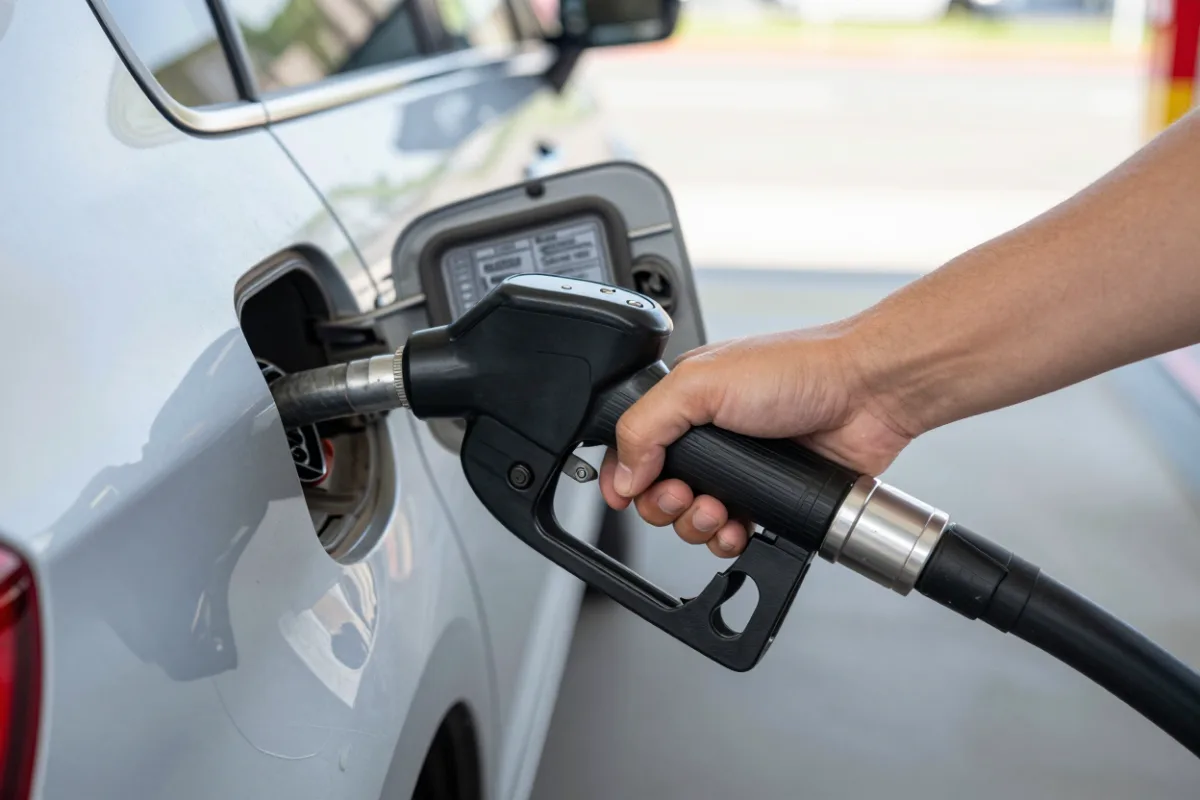
Fuel cost depends on how far you drive and your car's efficiency. To estimate it:
Miles per year ÷ miles per gallon × price per gallon = yearly fuel cost
For example, 12,000 miles in a car that gets 30 mpg, with gas at $3.25 a gallon, costs about $1,300 a year. A car that gets 20 mpg would cost about $1,950 for the same driving.
Electric cars usually cost much less per mile to run, especially when charged at home, but often cost more to buy and insure. See electric, hybrid or gas: which car is right for you?
Maintenance and repairs
Routine maintenance, such as oil changes, tire rotations, brakes and filters, keeps repair bills down. Costs usually rise after the warranty ends and as a car passes about 75,000 to 100,000 miles. Set aside money each month so a big repair or new set of tires doesn't come as a shock. Our car maintenance schedule shows what to do and when.
Work out your own cost
Add up a year of real costs to see what your car actually costs you.
- Loan or lease payments for the year (or the interest portion, if you want to count only financing)
- Car insurance premiums
- Fuel or charging
- Maintenance and repairs, including tires
- Registration, inspection, taxes and fees
- Parking and tolls
- Depreciation: the car's value a year ago minus its value today, using a pricing guide
Divide the total by the miles you drove to get your cost per mile. Many drivers are surprised by the number, which is useful when you're weighing a longer commute, a second car or a switch to public transit.
Ways to spend less
- Buy reliable and slightly used. Let someone else take the biggest depreciation hit.
- Keep your car longer. A paid-off, well-maintained car is usually the cheapest car you can own.
- Shorten your loan, make a bigger down payment and compare rates from banks and credit unions before you visit a dealer. See how car loans work.
- Shop around for car insurance and review your coverage regularly.
- Keep up with maintenance and tire pressure, which also improves fuel economy.
- Drive smoothly. Hard acceleration and braking waste fuel and wear out brakes and tires.
- Consider your needs. A smaller, more efficient car, or one car instead of two, can save thousands a year.
Common questions
AAA estimated the average cost of owning a new car at $11,577 a year in 2025, based on 15,000 miles a year over five years. Your cost depends heavily on the car, where you live, how much you drive, your insurance and whether you borrowed to buy it.
The value a car loses over time. New cars typically lose value fastest in the first few years. You don't pay depreciation as a bill, but it's a real cost, because it's money you won't get back when you sell or trade in.
Keeping a reliable car you've paid off is almost always cheaper, even with some repairs, because you avoid new depreciation and loan interest. Replacing it makes more sense when repairs become frequent and expensive, or safety becomes a concern.
Compare quotes from several insurers every year or two, ask about discounts such as bundling or safe-driver programs, raise your deductible if you have savings to cover it, and check whether you still need comprehensive and collision coverage on an older, low-value car.
A common guideline is to keep total car costs, including the payment, insurance, fuel and maintenance, to around 10 to 15% of your take-home pay.