How to Choose a Pest Control Company
Some pests you can handle yourself; others, like termites and bed bugs, need a professional. This guide covers when to call a pro, how to check a pest control company, one-time treatments vs ongoing plans, termite inspections and warranties, safety for children and pets, and the warning signs of a bad contract.
By Pond.com editors Updated 4 min read

Quick answer
- Many occasional pests can be handled yourself, but termites, bed bugs and large infestations usually need a professional.
- Check that the company and its technicians hold your state's pesticide license and carry insurance.
- Get a free inspection and written quotes from two or three companies before agreeing to treatment.
- Read contracts closely, especially automatic renewals, cancellation terms and what a termite warranty actually covers.
- Ask what products will be used and how to keep children and pets safe during and after treatment.
Seeing a mouse in the kitchen or ants along the counter is unsettling, and it's tempting to call the first company that can come out today. Taking a little time to understand the problem and compare companies can save you money and avoid long contracts you don't need.
This guide is general information, not professional advice.
DIY or call a pro?
| Pest | Often DIY | Usually call a pro |
|---|---|---|
| Ants | A few ants, cleaned up and sealed out | Carpenter ants, or ants that keep coming back |
| Mice | One or two mice, with traps and sealing gaps | Rats, or signs of many mice |
| Cockroaches | Rarely | Most cases, especially German cockroaches |
| Termites | Never | Always; damage is often hidden |
| Bed bugs | Rarely | Almost always |
| Wasps and bees | Small nests away from the house, with care | Large or hard-to-reach nests, and anyone allergic to stings |
| Mosquitoes | Removing standing water around the yard | Large properties or ongoing problems |
For pests in the garden, see garden pests.
Prevention comes first
Most pest control starts with making your home less inviting:
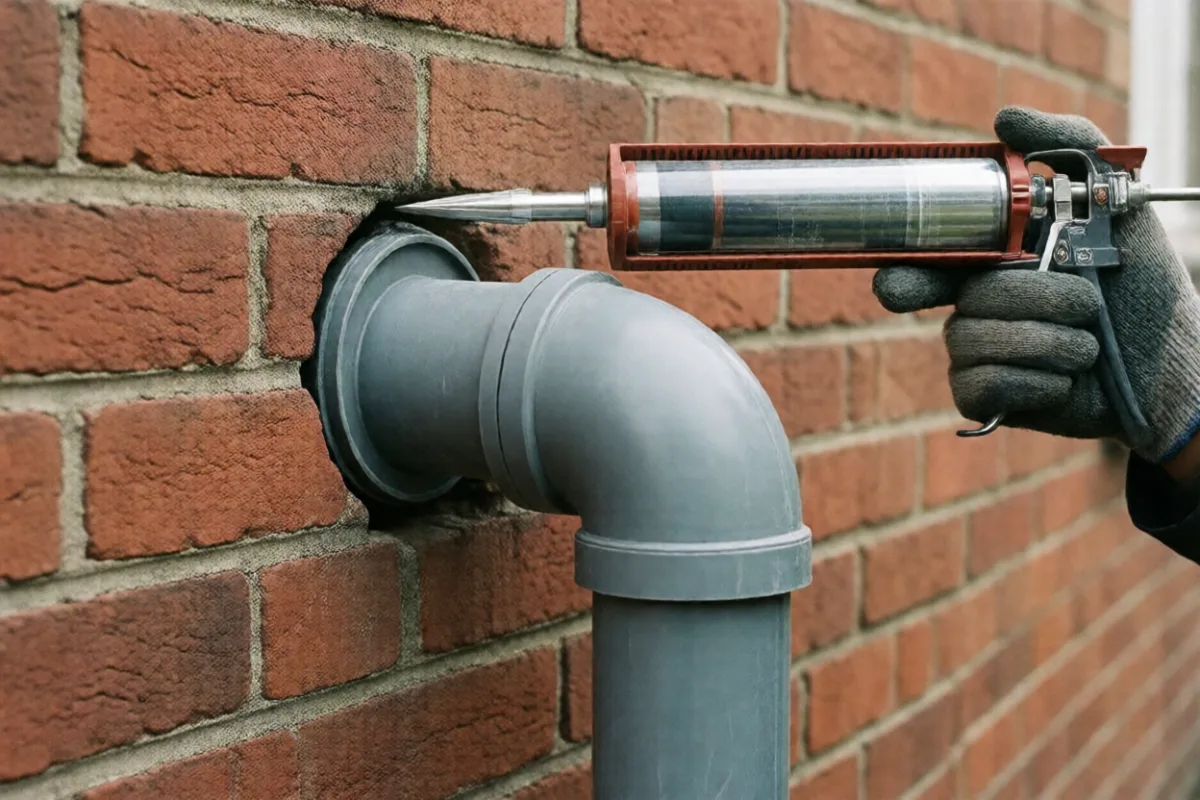
- Seal gaps around pipes, cables, doors and windows. Mice can squeeze through a hole the size of a dime.
- Fix leaks and reduce damp; many pests need water.
- Store food in sealed containers, and keep trash and pet food covered.
- Keep firewood, mulch and plants a little away from the house.
- Clear gutters and keep soil from touching wood siding.
Good companies use this approach, often called integrated pest management (IPM): finding why pests are getting in, fixing it and using targeted treatments rather than spraying everything.
What to check in a company
| Check | Why it matters |
|---|---|
| State pesticide license | Companies and technicians applying pesticides must be licensed or certified in most states, usually by the state department of agriculture |
| Insurance | Covers damage or injury caused during treatment |
| Reviews and complaints | Look especially at how billing and cancellations are handled |
| Experience with your pest | Termites and bed bugs need specialist methods |
| A real inspection | A good company looks before it quotes |
See how to check a contractor's license, insurance and reviews.
Questions to ask
- What pest do you think it is, and how are they getting in?
- What will you do, what products will you use, and where?
- How should we prepare, and how long should children and pets stay away?
- How many visits will it take, and what happens if the problem comes back?
- Is there a guarantee, and what does it cover?
One-time treatment or an ongoing plan?
- One-time service: suits a single problem, like a wasp nest or a spring ant invasion.
- Recurring plans: monthly, every other month or quarterly visits for general pests. Useful for ongoing problems or in warm climates, but they add up over a year.
- Termite protection: an inspection plus treatment, often with a yearly renewable warranty or bond.
Termites
Termites cause costly damage that's often hidden until it's serious. If you live where they're common:
- Get an inspection every year, and before you buy a home. Some lenders require a wood-destroying insect report, depending on the loan and the state.
- Ask about treatment types: liquid barriers in the soil around the foundation, bait stations, or both.
- Read the warranty. A retreatment-only warranty pays to treat new activity; a repair warranty also pays for some damage, up to a limit. Check what's excluded, what you must do to keep it valid, and whether it transfers if you sell.
Contracts and warning signs
- Automatic renewals: check how and when you can cancel.
- Pressure to sign today, or scare tactics about your home's safety
- Door-to-door sales offering a deal because they're "already treating your neighbors"
- Long contracts before anyone has inspected your home
- Vague descriptions of what will be done and which products will be used
If someone sells you a service at your door, the FTC's Cooling-Off Rule may give you three business days to cancel. See contractor red flags and scams to avoid.
Safety
- Ask for product names and read the labels or ask for safety information.
- Follow re-entry times for people and pets.
- Cover or remove fish tanks, pet bowls and children's toys before treatment.
- For questions about a pesticide's safety, the National Pesticide Information Center offers free, science-based answers.
Common questions
Not always. A plan can make sense if you have recurring problems, live where pests are common year-round or want termite protection. If you have an occasional issue, like ants in spring, a one-time treatment and sealing entry points may be enough.
Products used correctly by licensed technicians are generally considered low risk, but follow the technician's instructions. Keep children and pets away from treated areas until they're dry or for as long as the label says, and ask for the names of the products used.
It's a service agreement, usually renewed yearly, in which a company inspects for termites and treats any new activity. Some only cover retreatment, while others also pay for repairing damage up to a limit. Read which kind you're buying.
Common signs include swarms of winged insects in spring, discarded wings near windows and doors, mud tubes on foundation walls, and wood that sounds hollow or crumbles. Because damage is often hidden, a yearly inspection is wise in areas where termites are common.
It's very hard. Bed bugs hide in tiny cracks and resist many store-bought products. Most people need a professional, who may use heat treatment, targeted products or both, plus follow-up visits.