Contractor Red Flags and Scams to Avoid
Most contractors are honest, but home improvement scams cost homeowners dearly every year. Here are the warning signs to watch for, the most common scams, especially after storms, and what to do if you think you've been targeted.
By Pond.com editors Updated 3 min read
Quick answer
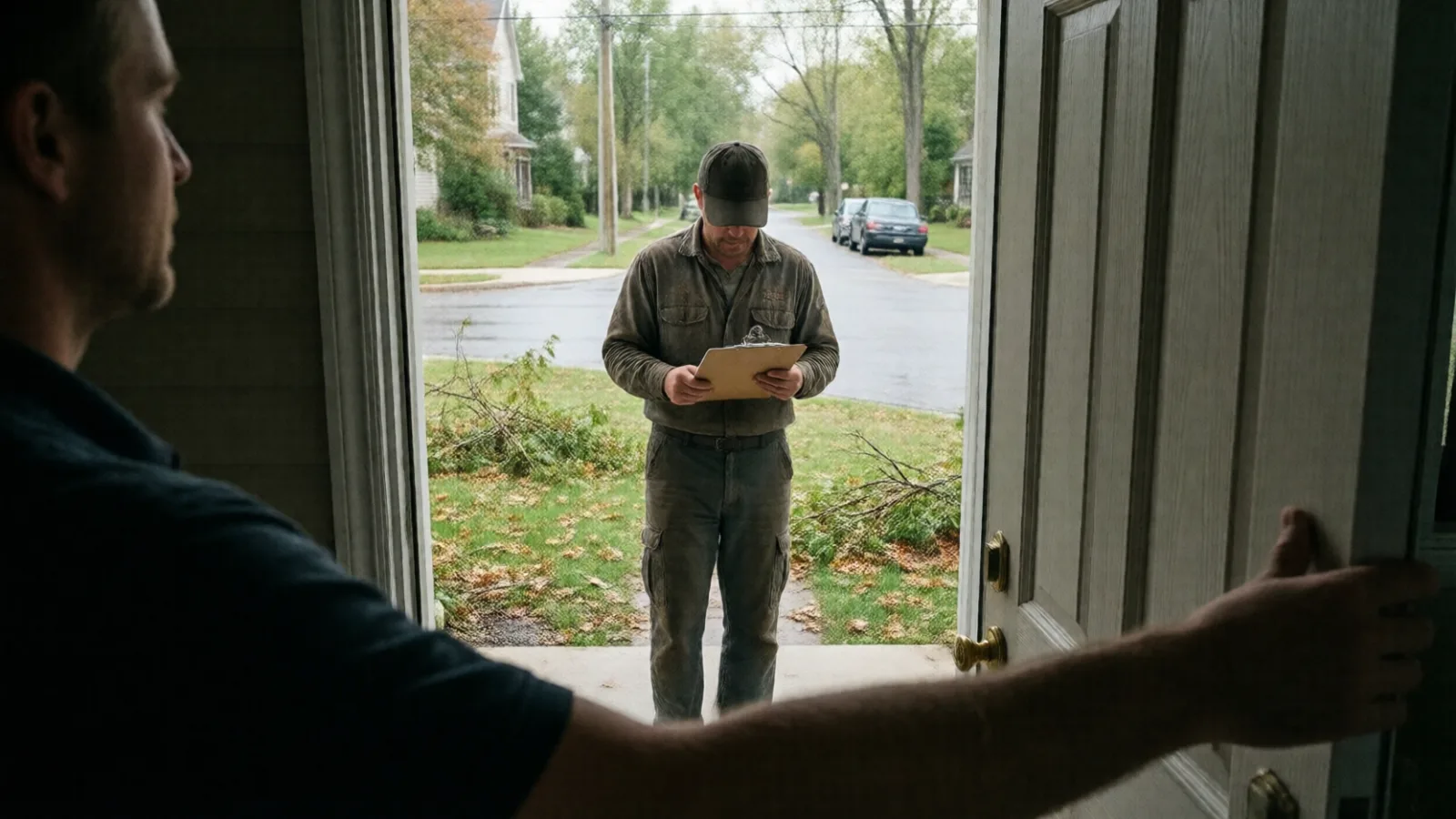
- Be wary of contractors who knock on your door, especially after a storm, saying they noticed a problem or have leftover materials.
- Red flags include high-pressure sales, cash-only deals, large upfront payments and no written contract.
- A contractor who asks you to get the permit, or says you don't need one for major work, may not be licensed.
- Never let anyone on your roof or into your home before you've checked who they are.
- If you've been scammed, report it to your state attorney general and the FTC, and contact your bank or card issuer quickly.
Home improvement scams tend to follow the same patterns: a knock on the door, a great deal that's only available today, and a request for money up front. Knowing the warning signs makes them much easier to spot.
Red flags
- They come to you. Unsolicited visits, calls or flyers, especially right after a storm.
- Pressure to decide now, with a "today only" price.
- Cash only, or a big discount for cash.
- A large deposit or most of the money before work starts.
- No written contract, or a vague one with a single price.
- No license number, or one that doesn't check out.
- They ask you to get the permit, or say a major job doesn't need one.
- No local address, only a cell phone number, or an out-of-state vehicle with no business name.
- They want to start immediately without measuring properly or giving a written quote.
Any one of these is a reason to slow down and check. See how to check a contractor.
Common scams
| Scam | How it works |
|---|---|
| "We noticed a problem" | A stranger says they spotted damage on your roof or chimney while passing, then finds more once they're up there |
| Leftover materials | They have asphalt or materials "left over from a job nearby" and offer a cheap driveway or roof; the work is poor or never finished |
| Storm chasers | Crews follow severe weather, take deposits for quick repairs, then do shoddy work or vanish |
| Big deposit, no work | They take a large upfront payment, then stop returning calls |
| Lowball, then extras | A very low price to win the job, followed by expensive "unexpected" problems once walls or floors are open |
| Insurance deductible offers | They offer to cover your deductible, often by inflating your insurance claim |
| Fake inspectors | Someone posing as a city or utility inspector says urgent repairs are needed and recommends a contractor |
After a storm
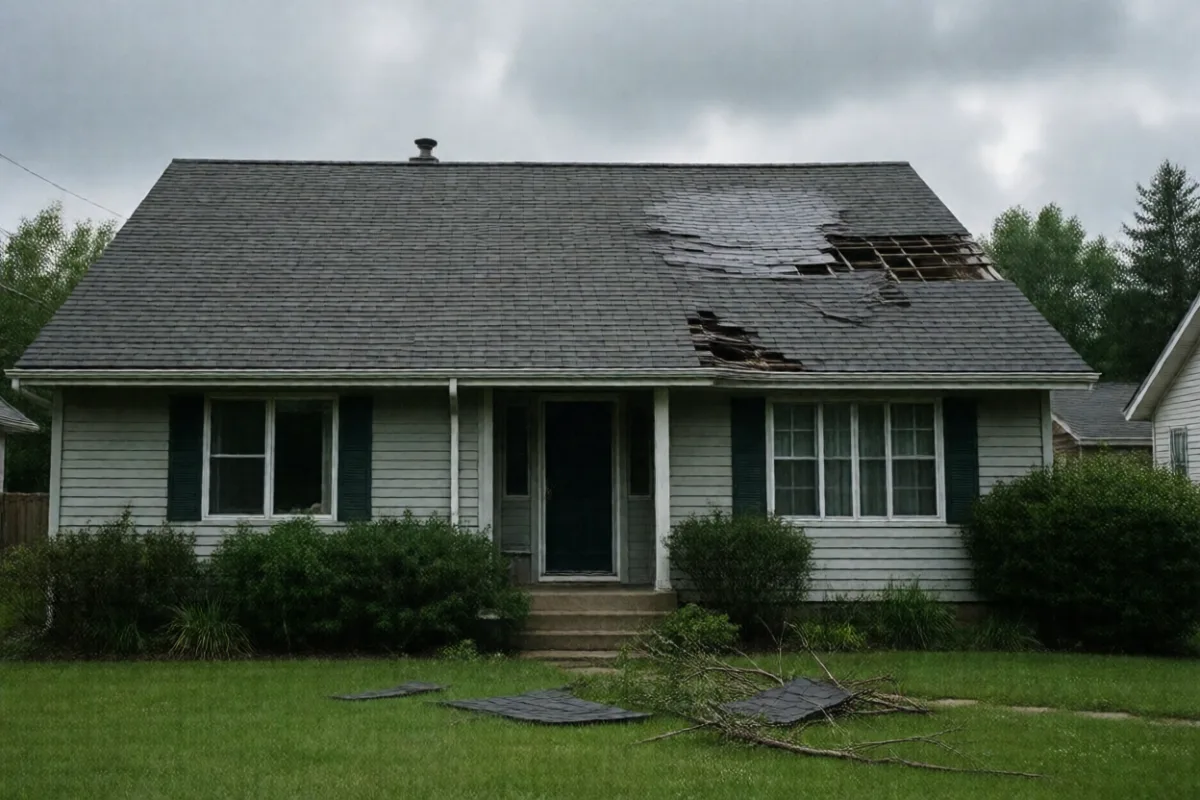
- Make urgent, temporary repairs only, like tarping a roof, and keep receipts.
- Take photos of the damage.
- Call your insurance company before signing a repair contract.
- Get quotes from local, licensed contractors, even if it means waiting a little.
- Don't sign anything that hands your insurance claim over to a contractor until you understand exactly what it means.
Protect yourself
- Never let a stranger onto your roof or into your home before checking who they are.
- Verify anyone claiming to be an inspector by calling the agency yourself, using a number you look up.
- Get everything in writing, and keep payments small and tied to finished work.
- Pay by check or credit card, never cash.
- Know your cancellation rights. If you sign a contract at home with a seller who came to you, the FTC's Cooling-Off Rule may give you three business days to cancel.
If you think you've been scammed
- Contact your bank or card issuer right away about stopping or disputing a payment.
- Report it to your state attorney general or consumer protection office, your state contractor licensing board and the FTC at ReportFraud.ftc.gov.
- Call the police if someone took money and disappeared.
- Keep everything: contracts, receipts, messages and photos.
Common questions
Storm chasers are contractors, sometimes from out of state, who follow severe weather and go door to door offering quick repairs. Some do poor work or take a deposit and disappear. After a storm, take time to get local, licensed contractors and talk to your insurer before signing anything.
Be very cautious. A contractor who offers to waive or absorb your deductible may be planning to inflate the insurance claim, which is insurance fraud and is illegal in some states. It can also leave you in trouble with your insurer.
Sometimes. If you paid by credit card, contact your card issuer about a dispute quickly. File complaints with your state licensing board and attorney general, and consider small claims court. Some states have recovery funds that may repay you if the contractor was licensed.