How to Buy a Used Car, Step by Step
A good used car can save you thousands over buying new, as long as you check it carefully. Here's how to set a budget, research models, check the history and condition, negotiate the price and close the deal safely.
By Pond.com editors Updated 5 min read
Quick answer
- Set a budget for the total cost, including taxes, fees, insurance and early repairs, not just the sticker price.
- Research reliable models and their fair market value before you shop.
- Check the vehicle history with the VIN, and look up open safety recalls for free on NHTSA.gov.
- Test-drive the car and pay an independent mechanic to inspect it before you buy.
- Arrange financing before you visit a dealer, negotiate the total "out-the-door" price, and never sign paperwork with blank spaces.
A used car is often the smartest way to buy a car. New cars lose value fastest in their first few years, so a car that's two to five years old can cost far less while still having plenty of life left. The catch is that you're buying someone else's car, so careful checks matter more than with a new one.
Buying new instead? Our guide to buying a new car compares new and used, and covers incentives, dealer fees and leasing.
Step 1: Set a realistic budget
Think about the total cost, not just the price on the windshield.
- Purchase price, plus sales tax, title and registration fees, and any dealer documentation fee.
- Car insurance. Get quotes on the models you're considering before you buy. Rates vary widely by model, age and where you live.
- Early repairs and maintenance, such as tires, brakes or a battery. Keep a cushion of a few hundred dollars or more.
- Financing. If you borrow, a common guideline is to keep total car costs, including the payment, insurance and fuel, to around 10 to 15% of your take-home pay.
For the full picture of running costs, see the true cost of owning a car.
Step 2: Research models and prices
- Pick two or three models that fit your needs for space, fuel economy and reliability.
- Check reliability ratings and owner reviews, and look up common problems for the model years you're considering.
- Look up fair market value for the exact year, trim, mileage and condition on a car pricing guide, so you know a fair price before you start talking.
- Check safety ratings from NHTSA and the Insurance Institute for Highway Safety (IIHS).
Step 3: Find the car
- Franchised dealers sell many late-model trade-ins and certified pre-owned cars, with warranties and financing available.
- Independent dealers often have lower prices, but quality varies. Check reviews.
- Private sellers often have the lowest prices, and you can ask the owner about the car's history, but there's no warranty and you handle the paperwork.
- Online car retailers deliver to your door and often offer a short return window. Read the return terms carefully.
At a dealer, read the Buyers Guide sticker in the window. The FTC requires it on used cars sold by dealers, and it says whether the car comes with a warranty or is sold "as is."
Step 4: Check the history and recalls
- Get the VIN (vehicle identification number), found on the dashboard near the windshield and on the driver's door frame.
- Run a vehicle history report. It can show accidents, title problems (such as salvage, flood or rebuilt titles), odometer readings and the number of owners.
- Look up open safety recalls for free by VIN at NHTSA.gov. Recall repairs are free at a dealer for that brand.
- Ask for service records. A car with regular oil changes and maintenance is a much safer bet.
Step 5: Inspect and test-drive
Look the car over in daylight, and drive it for at least 20 to 30 minutes on different kinds of roads.
| Check | What to look for |
|---|---|
| Body | Rust, mismatched paint and uneven gaps between panels, which can mean accident repairs |
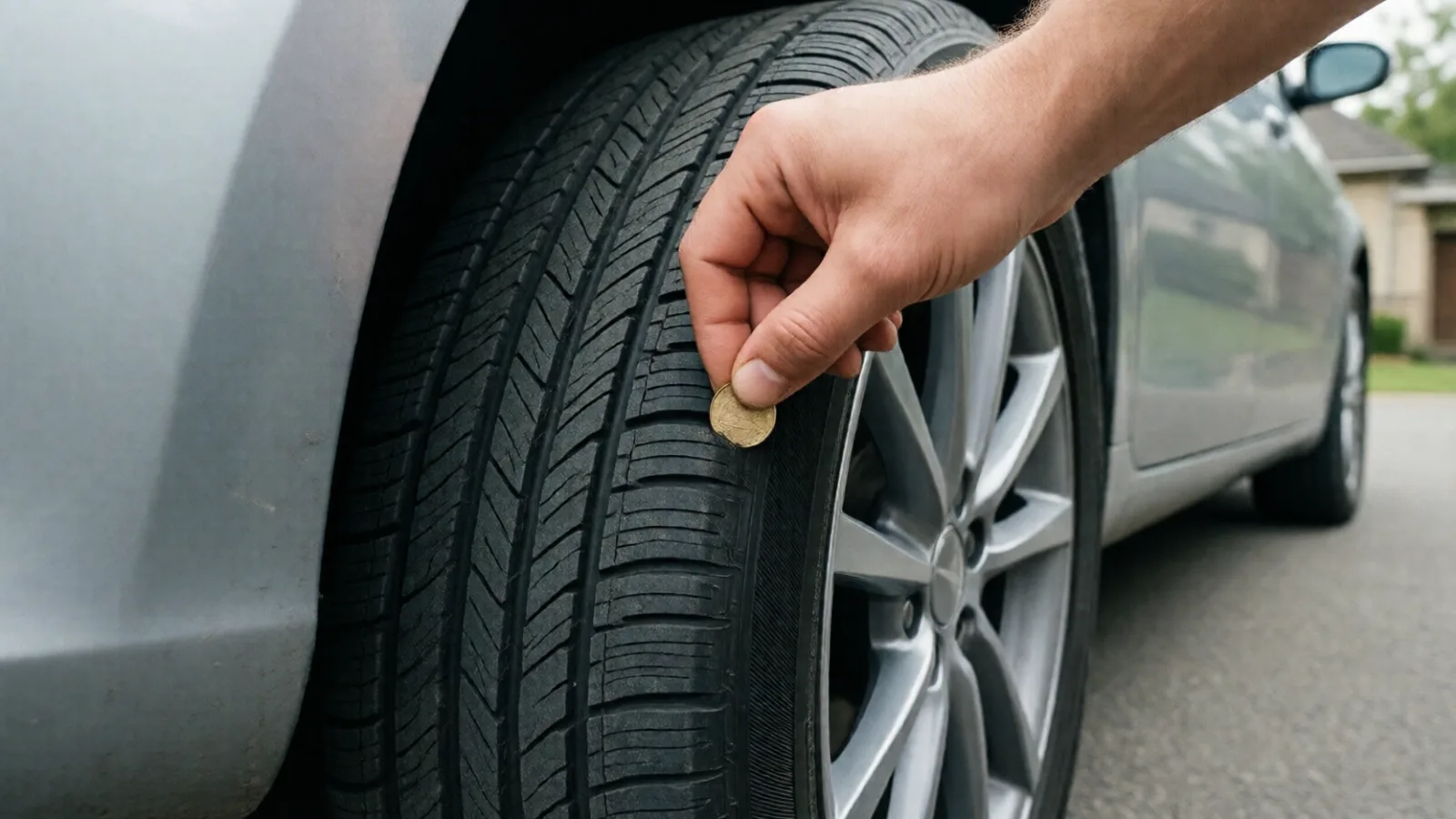
| Tires | Even wear and enough tread; uneven wear can point to alignment or suspension problems |
| Under the hood | Leaks, low or dirty fluids, cracked belts and hoses |
| Inside | Musty smells or damp carpet (possible flood damage), worn pedals on a "low-mileage" car |
| Dashboard | All warning lights come on briefly at start-up, then go off |
| On the road | Smooth starts, shifts and braking; no pulling, vibration, knocking or grinding |
| Features | Air conditioning, heat, windows, locks, lights, wipers and infotainment all work |
Get an independent inspection
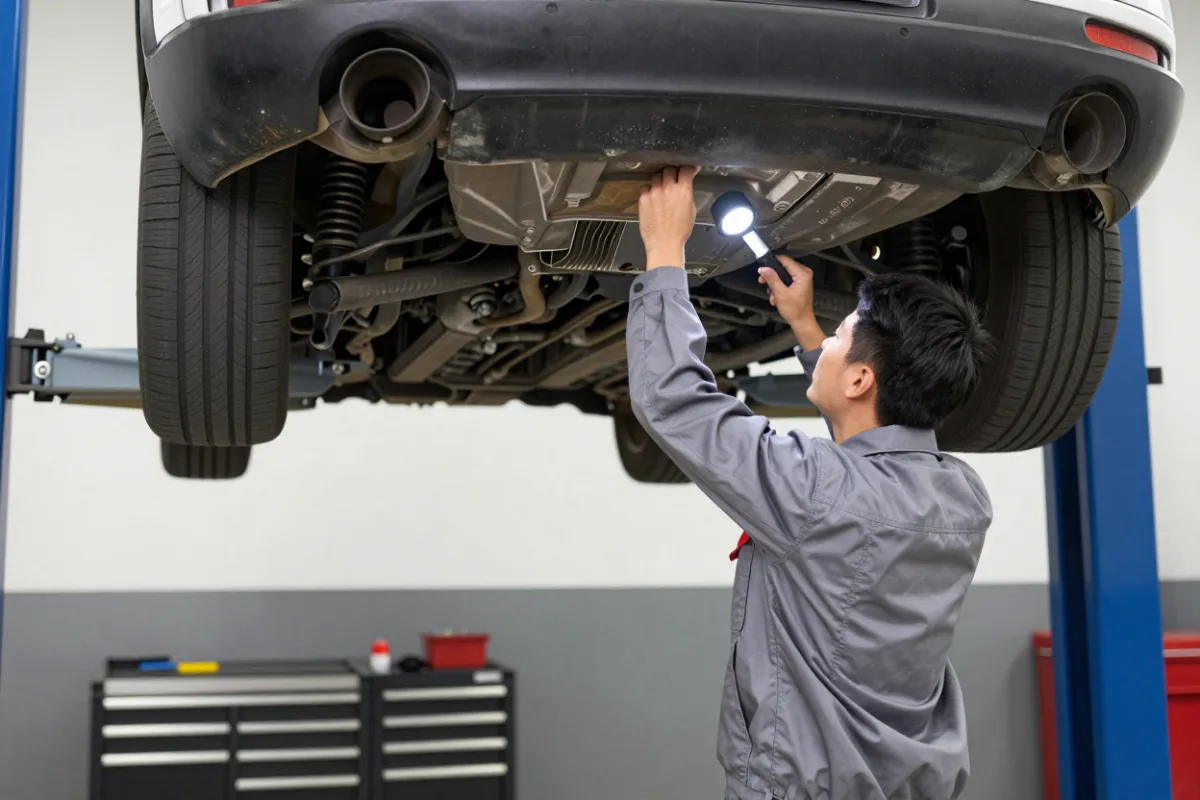
Before you agree to buy, pay an independent mechanic you choose for a pre-purchase inspection. It typically costs around $100 to $250 and can uncover problems that would cost thousands. A seller who refuses an inspection is a red flag.
Step 6: Arrange financing first
If you'll borrow, get preapproved by a bank or credit union before you visit a dealer. Then you know your rate and can compare it with the dealer's offer. Choose the shortest loan term you can comfortably afford. Longer loans have lower payments but cost more in interest, and you can end up owing more than the car is worth. See how car loans work for current rates and tips.
Step 7: Negotiate the price
- Negotiate the "out-the-door" price, which includes taxes and all fees, rather than the monthly payment.
- Use your research. Point to fair market value and any problems the inspection found.
- Negotiate your trade-in separately. Know what your current car is worth before you start.
- Question add-ons such as extended warranties, paint protection and VIN etching. They're optional and often overpriced.
- Be ready to walk away. There are always other cars.
Step 8: Close the deal safely
- Read everything before you sign, and don't sign any document with blank spaces.
- Check the numbers in the contract match what you agreed: price, interest rate, loan term, down payment and trade-in value.
- Private sale? Meet somewhere safe, such as a bank or a police station's safe exchange zone. Pay with a cashier's check or bank transfer, and make sure the seller signs the title over to you and gives you a bill of sale.
- Get insured before you drive away. You need car insurance in place before you can legally drive the car, and you'll need proof of it to register the car.
- Register and title the car with your state's DMV within the deadline your state sets.
Common questions
The vehicle history report, open recalls, service records, rust, tire wear, fluid leaks, warning lights and how it drives. Most important, have an independent mechanic do a pre-purchase inspection before you agree to buy.
Private sellers often charge less, but you get little protection and must handle the paperwork yourself. Dealers charge more but may offer warranties, certified pre-owned programs and financing, and must display a Buyers Guide on each car showing whether it comes with a warranty or is sold "as is."
The car is sold with no dealer warranty, so you pay for any repairs after the sale. Dealers must say this on the FTC Buyers Guide window sticker. Some states limit "as is" sales, so check your state's rules.
There's no fixed number. A well-maintained car with 120,000 highway miles can be a better buy than a neglected one with 60,000. Service records and an inspection tell you more than the odometer alone. Around 12,000 to 15,000 miles a year is typical.
A used car, usually recent and with lower mileage, that a manufacturer's dealer has inspected and backs with an extended warranty. It costs more than a regular used car, but adds peace of mind. Compare what each program actually covers.