How Cold Weather Affects Electric Car Range
Electric cars lose range in cold weather because batteries work less efficiently and heating the cabin takes energy. Here's how much range you can expect to lose, why it happens, and simple ways to get more miles from your EV in winter.
By Pond.com editors Updated 2 min read
Quick answer
- Electric cars lose range in the cold because batteries work less efficiently and heating the cabin uses energy.
- Expect noticeably less range in freezing weather; a AAA test found losses of around 40% at 20°F with the heater on, though many newer cars do better.
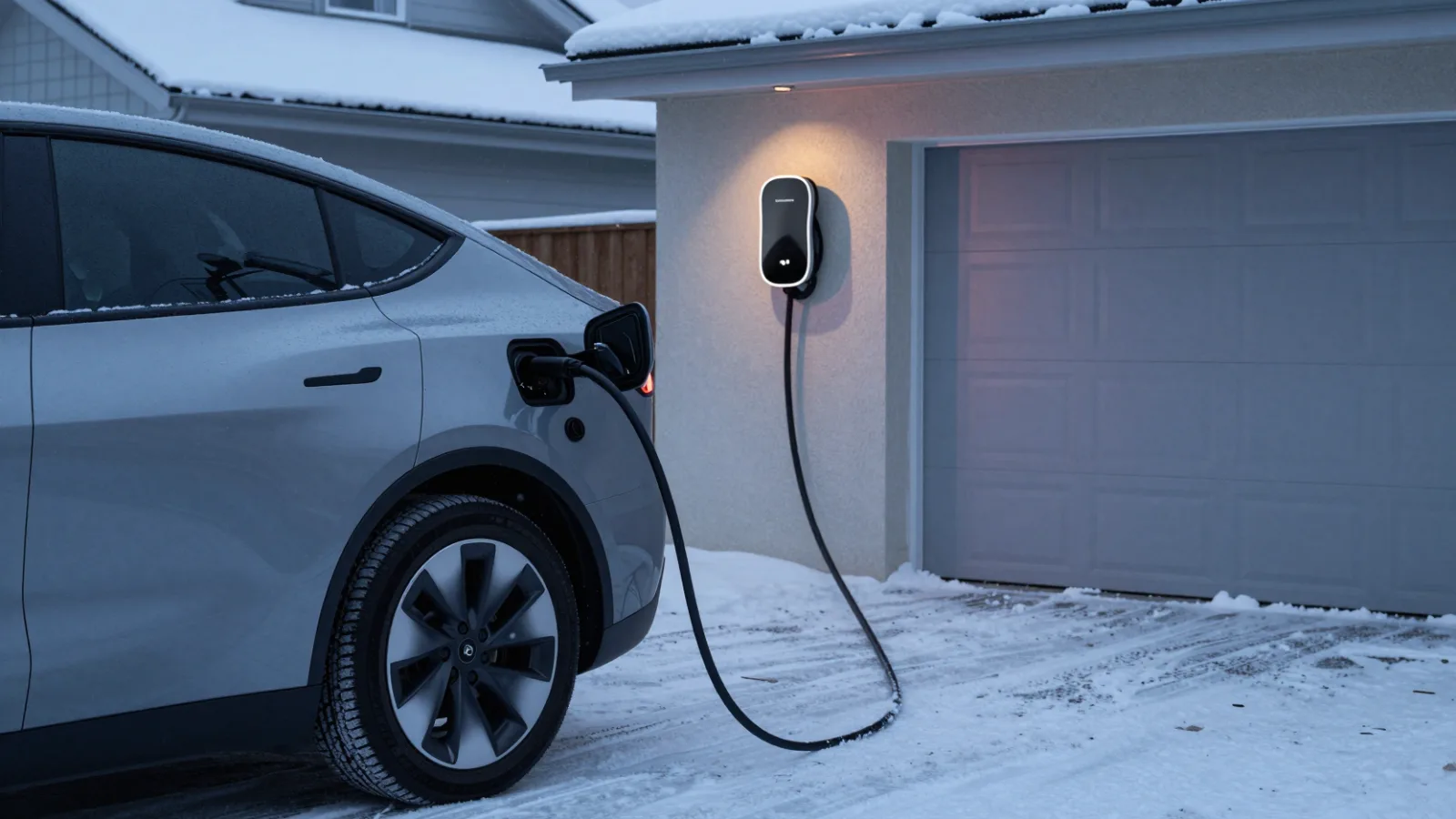
- Precondition the car while it's plugged in, so the battery and cabin warm up using grid power.
- Use seat and steering wheel heaters, which use much less energy than heating the whole cabin.
- Park in a garage if you can, and leave more margin on winter road trips.
If you drive an electric car, you'll notice winter on your range display. Cold weather can cut how far you go on a charge, sometimes by a lot. It's normal and temporary, and a few habits can win back many of those miles.
Why EVs lose range in the cold
- Battery chemistry slows down in the cold, so less energy is available and charging is slower.
- Heating the cabin uses battery power. Gas cars use waste heat from the engine; EVs have to make heat.
- Winter driving uses more energy: colder, denser air, winter tires, and slush or snow on the road.
How much range will you lose?
It depends on the car, the temperature and how much you heat the cabin. In a well-known AAA test, range dropped by about 40% at 20°F when the heater was used. Real-world data from many newer EVs, especially those with heat pumps, often show smaller losses, around 20% to 30% in freezing weather. Short trips with lots of warm-ups lose the most.
Ways to get more range in winter
- Precondition while plugged in. Use the app or scheduler to warm the battery and cabin before you leave, using power from the grid instead of the battery.
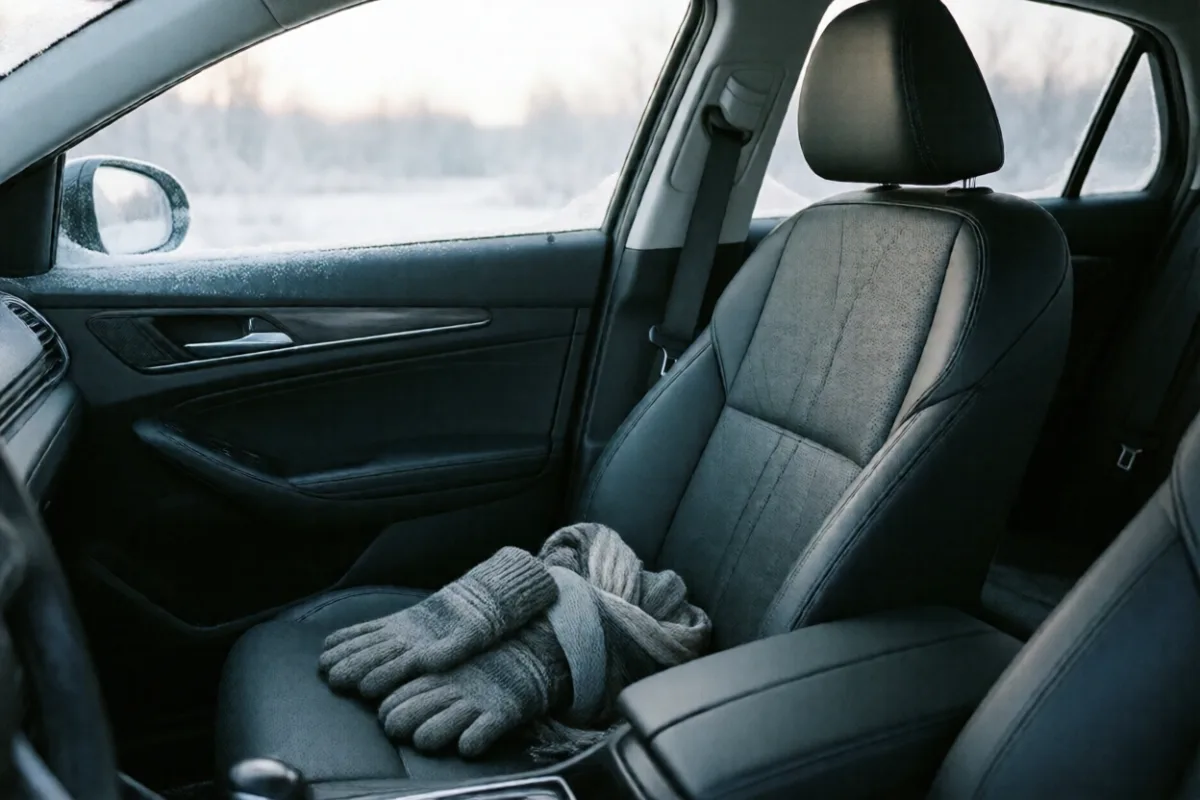
- Use seat and steering wheel heaters. They warm you directly and use much less energy than heating all the air in the cabin.
- Lower the cabin temperature a few degrees and use eco mode.
- Park in a garage if you can. A warmer battery holds range better.
- Check tire pressure; it drops in the cold. See how to winterize your car.
- Drive smoothly and a little slower on the highway.
Charging in the cold
- Plug in at home whenever you can, especially overnight.
- Expect slower DC fast charging when the battery is cold. Many EVs can warm the battery on the way if you set the charger as your destination in the car's navigation.
- Leave a buffer. Try not to arrive at chargers with a very low battery in winter.
See how to charge an electric car at home.
Winter road trips
Plan for shorter legs between chargers, choose chargers with several stalls, and carry warm clothes and blankets. See EV road trips and the winter driving safety checklist.
Common questions
Normal winter use doesn't damage the battery. The battery management system protects it, and range returns when temperatures warm up. Very cold batteries charge more slowly, but this is temporary.
Yes, usually. A heat pump moves heat rather than creating it, so it uses less energy than a traditional resistive heater, especially in moderately cold weather. In extreme cold, the advantage gets smaller.
For daily driving, most makers suggest charging to around 80% to 90%. Before a long winter trip, charging to 100% shortly before you leave is fine and gives you extra range. Check your owner's manual.