Sinking Funds: How to Save for Big Expenses
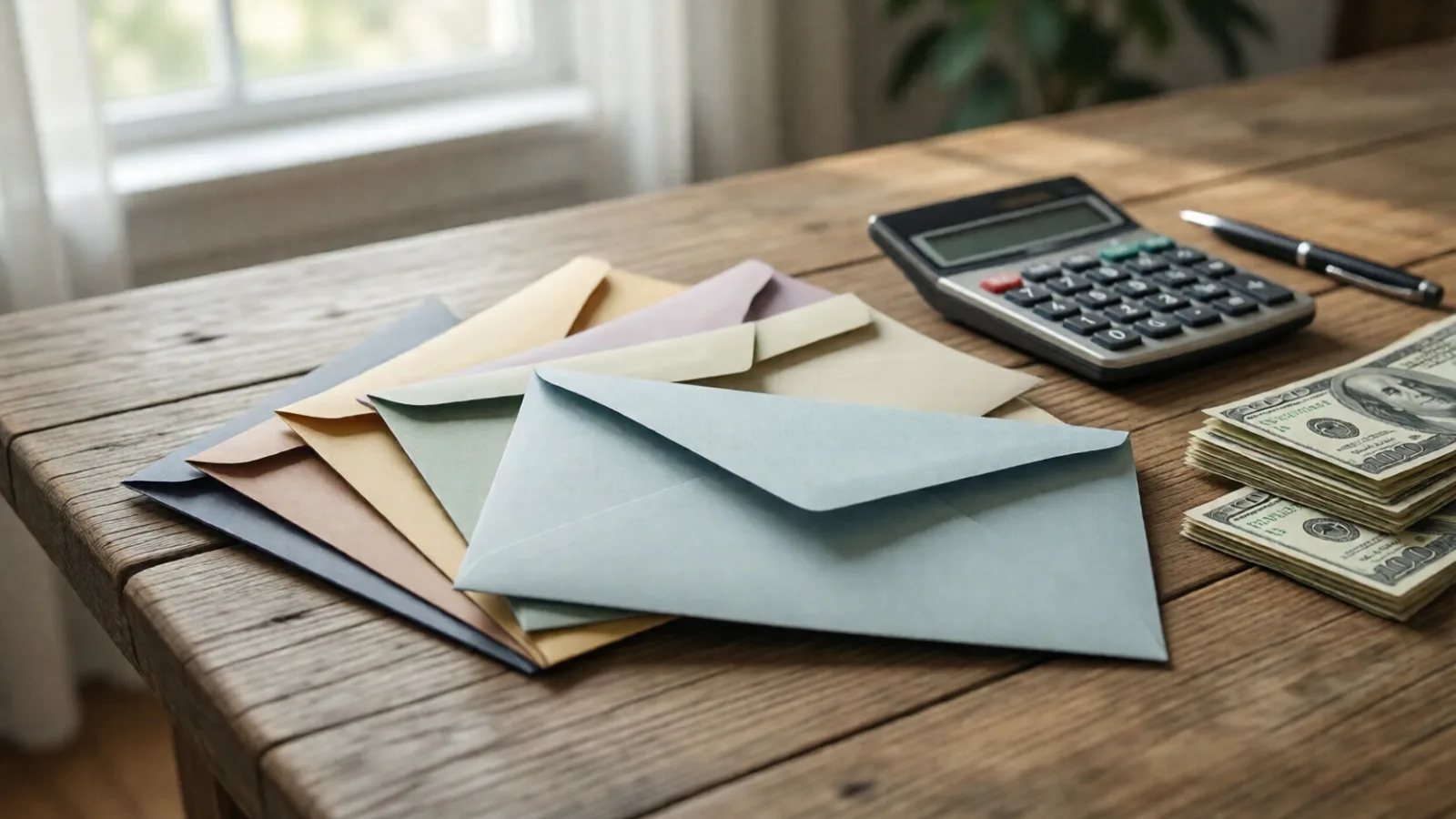
A sinking fund is money you set aside a little at a time for a cost you know is coming, like car repairs, gifts or an annual insurance bill. Here's how sinking funds work, which ones to start, how much to save and where to keep them.
By Pond.com editors Updated 2 min read
Quick answer
- A sinking fund is savings for a specific expense you know is coming.
- Divide the cost by the months until you need it to get a monthly amount.
- Common sinking funds cover car repairs, holidays and gifts, travel, annual bills and home maintenance.
- They're different from an emergency fund, which is for costs you can't predict.
- Keep them in a high-yield savings account, ideally in separate named buckets.
Some big expenses come around every year, yet still feel like a shock: the car registration, holiday gifts, the home insurance bill. A sinking fund turns those into small, manageable monthly amounts, so they don't end up on a credit card.
This article is general information, not financial advice.
How a sinking fund works
- Pick an expense you know is coming.
- Estimate the cost and when you'll need it.
- Divide the cost by the number of months until then.
- Save that amount each month, ideally automatically.
For example, if you expect to spend $900 on holiday gifts and it's January, you'd save $75 a month.
Common sinking funds
| Fund | What it covers |
|---|---|
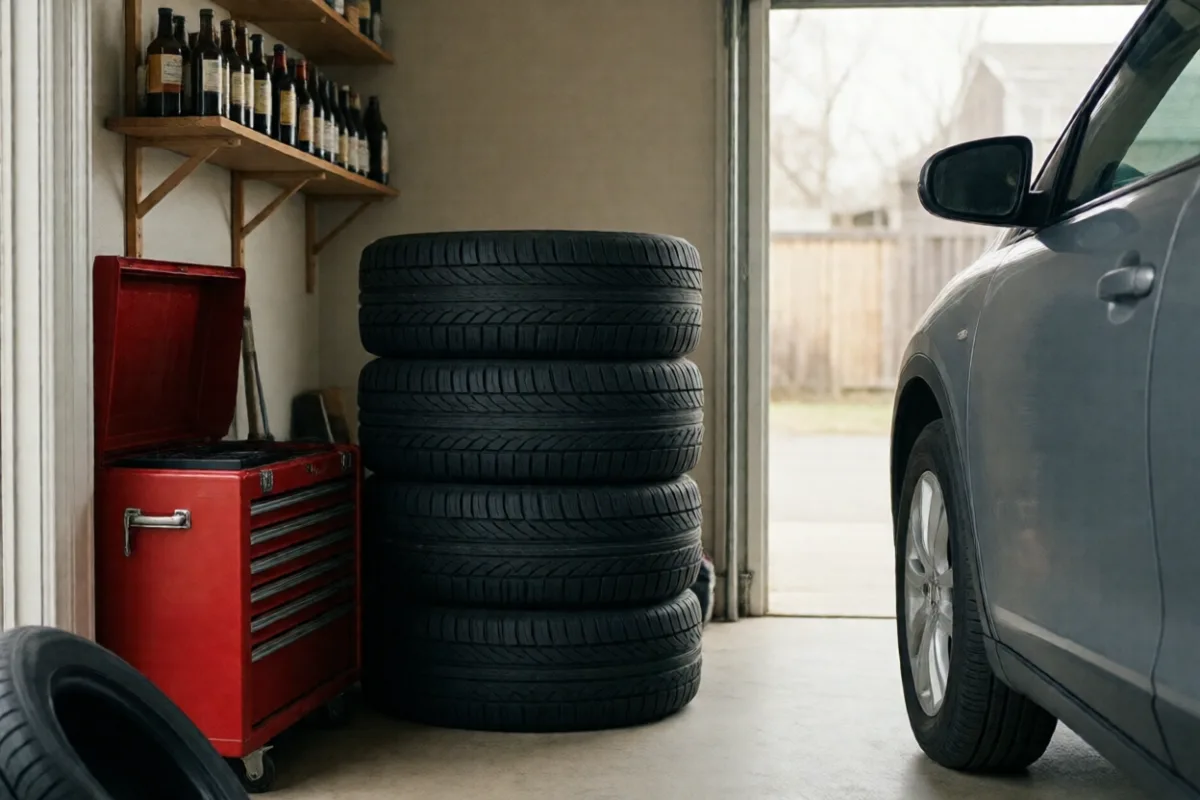
| Car | Repairs, new tires, registration, insurance if paid yearly |
| Holidays and gifts | Gifts, travel and hosting |
| Travel | Your next vacation |
| Annual bills | Insurance, memberships, subscriptions |
| Home | Repairs, appliances, yearly maintenance |
| Medical | Deductibles, dental and eye care |
| Pets | Vet visits and boarding |
| Big purchases | A new phone, laptop or furniture |
Sinking funds vs an emergency fund
An emergency fund is for the unexpected, like losing your job. Sinking funds are for the expected. Without sinking funds, predictable costs keep draining your emergency fund, and it's never there when you need it.
Where to keep them
- A high-yield savings account keeps the money safe and earning interest. See high-yield savings accounts explained.
- Named buckets or separate accounts make it easy to see each fund's progress.
- Keep them separate from checking, so the money doesn't get spent by accident.
Tips
- Start small, with your two or three biggest regular costs.
- Use last year's bank statements to estimate amounts.
- Automate transfers on payday.
- Build sinking funds into your budget. See how to make a budget.
Common questions
A sinking fund is for costs you can see coming, such as a car registration or holiday gifts. An emergency fund is for surprises, such as a job loss or medical bill. Having both means planned expenses don't eat into your safety net.
Start with two or three for your biggest regular costs, such as car repairs, gifts and annual bills. You can add more once those are running smoothly.
A high-yield savings account works well. Many online banks let you create several named savings buckets inside one account, so each fund is easy to track.