How to Protect Your Child's Identity and Credit
Children are attractive targets for identity theft, because a stolen Social Security number can be used for years before anyone notices. Here's how child identity theft happens, the warning signs, how to check whether your child has a credit report, how to freeze it for free and how to keep their information safe.
By Pond.com editors Updated 3 min read
Quick answer
- Children usually shouldn't have a credit report; if one exists, it may be a sign of fraud.
- Parents can freeze the credit of a child under 16 for free at Equifax, Experian and TransUnion.
- Share your child's Social Security number only when it's truly needed, and ask why it's required.
- Warning signs include credit offers, bills or IRS notices in your child's name.
- Check whether your child has a credit report around age 16, before they apply for jobs, loans or student aid.
Most parents never think about their child's credit until it's too late. A child's Social Security number has a clean history and usually isn't checked for years, so a thief can use it to open accounts or get loans that go unnoticed until the child applies for a first credit card, apartment or student loan.
This article is general information, not legal advice.
How it happens
- Data breaches at schools, doctors' offices, sports clubs or other organizations.
- Lost or stolen documents, like a Social Security card or birth certificate.
- Sharing too much, such as on forms that don't really need the number.
- Someone close to the family using the child's details, which is surprisingly common.
Warning signs
- Credit card or loan offers mailed in your child's name.
- Bills, collection calls or account statements for your child.
- An IRS notice saying your child's Social Security number was used on another return, or that they owe tax.
- Being refused benefits for your child because someone else is already using their number.
Freeze your child's credit
Parents and guardians can freeze the credit of a child under 16 for free. The bureau creates a record in your child's name and freezes it, so no one can open credit with it.
- Contact Equifax, Experian and TransUnion and ask for a freeze for a minor.
- Send the documents they ask for, usually your child's birth certificate and Social Security card, plus your ID and proof of address.
- Keep the confirmation and any PIN in a safe place.
- Lift the freeze when your child is ready to apply for credit.
Keep their information safe
- Ask why whenever a form asks for your child's Social Security number, and whether you can leave it blank or give the last four digits.
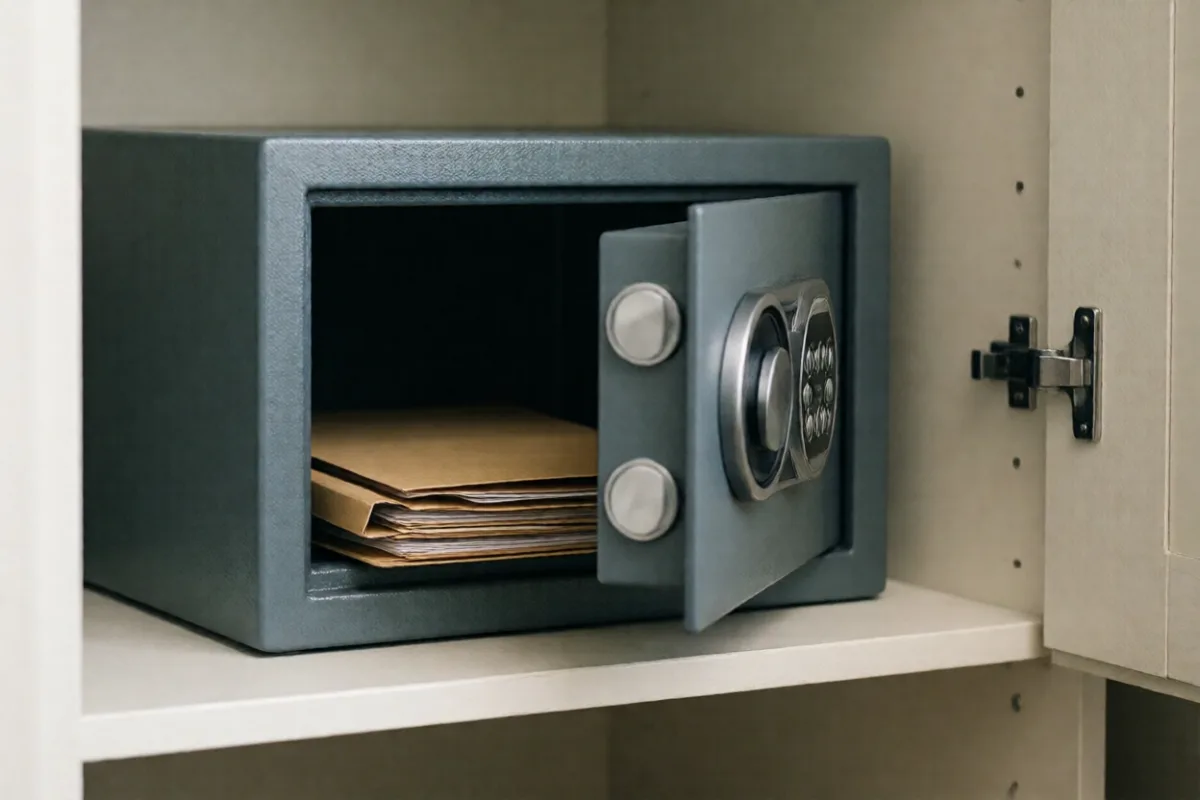
- Lock up documents like Social Security cards, birth certificates and passports at home rather than carrying them.
- Shred paperwork with your child's details before throwing it away.
- Watch what you post online, like full birth dates and school names.
- Teach older kids never to share personal details online or with callers. See teaching kids about money.
Check at 16
Around your child's 16th birthday, ask each bureau whether a credit report exists. If it doesn't, good. If it does, review it for fraud and fix any problems before your child needs credit for a car loan, an apartment or college.
If your child's identity is stolen
- Report it at IdentityTheft.gov.
- Contact each credit bureau to dispute fraudulent accounts and freeze the file.
- Contact the companies where accounts were opened.
- File a police report if you need one for the companies or bureaus.
Common questions
Contact each of the three credit bureaus and ask for a freeze for a minor. You'll usually need to send copies of your child's birth certificate and Social Security card and your own ID and proof of address. The bureau creates a record for your child and freezes it, for free.
Each credit bureau has a process for parents to ask whether a credit file exists for a child, usually by mail or online with documents proving who you both are. Normally there shouldn't be one, so if there is, ask for a copy and look for accounts you don't recognize.
Sometimes strangers, using data from breaches or stolen documents, but often someone the child knows, including a family member. That's one reason to keep Social Security cards and birth certificates locked away at home.