How to Declutter Your Home, Room by Room
Decluttering is easier when you take it one room, one drawer at a time. Here's a simple method for deciding what to keep, a room-by-room checklist, and what to do with everything you let go.
By Pond.com editors Updated 3 min read
Quick answer
- Start small, with one drawer, shelf or closet, and finish it before moving on.
- Sort everything into four groups such as keep, donate or sell, recycle or trash, and belongs elsewhere.
- Ask simple questions. Have I used it in the past year? Would I buy it again? Do I have a place for it?
- Get things out of the house quickly. Drop off donations the same day if you can.
- Keep clutter from coming back with a "one in, one out" rule and a donation box by the door.
Clutter builds up slowly, and clearing it can feel overwhelming. The secret is not to tackle the whole house at once. Work through one small area at a time, make quick decisions, and get things out of the house as soon as you've decided to let them go.
The simple method
Bring four boxes or bags to each area:
- Keep: things you use, love and have a place for
- Donate or sell: useful things you don't need
- Recycle or trash: broken, expired or worn-out items
- Belongs elsewhere: things that live in another room
Empty one drawer, shelf or section at a time, sort everything, clean the space, and put back only the "keep" items.
Questions that help you decide
- Have I used it in the past year?
- Would I buy it again today?
- Do I have a place to keep it?
- Do I have more than one?
- Am I keeping it out of guilt or "just in case"?
Room by room
Kitchen
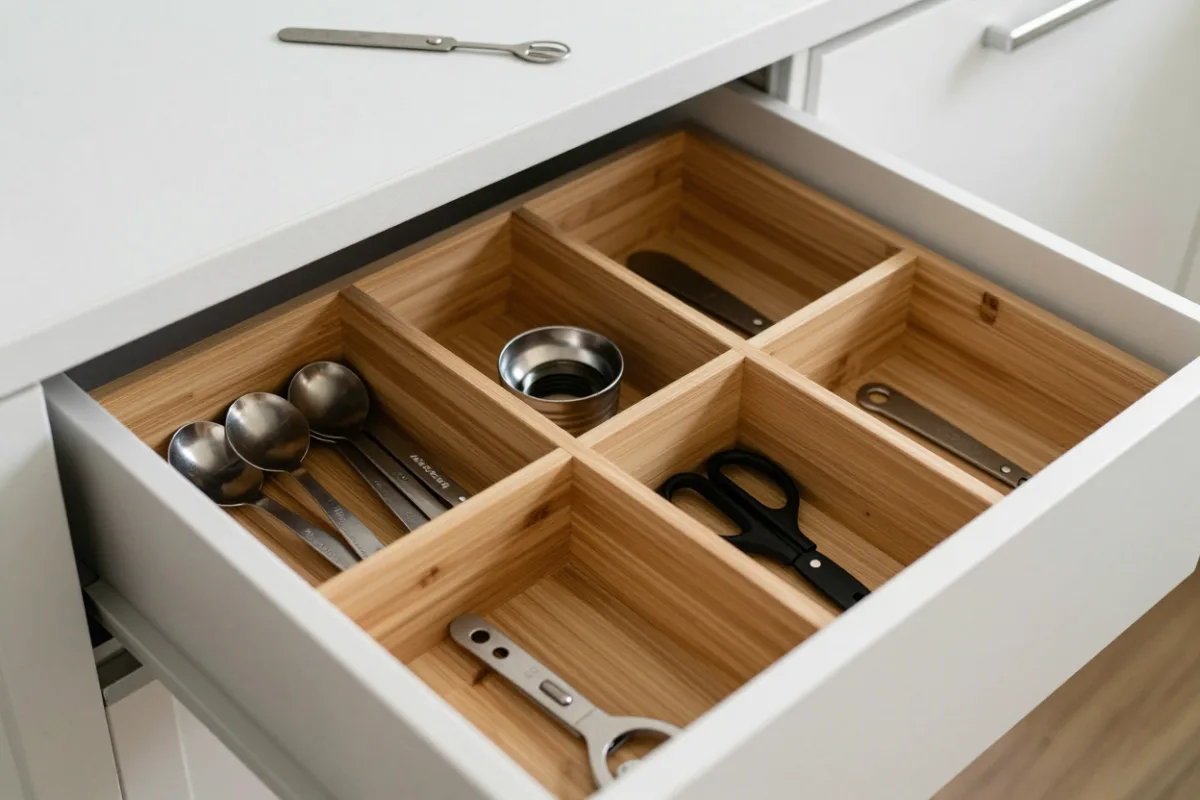
- Duplicate utensils, gadgets you never use and mismatched food containers
- Chipped dishes and mugs
- Expired food, spices and condiments
- Small appliances you haven't used in a year
Bathroom
- Expired medicines, sunscreen and cosmetics
- Half-used products you don't like
- Old towels (animal shelters often welcome them)
Bedroom and closets
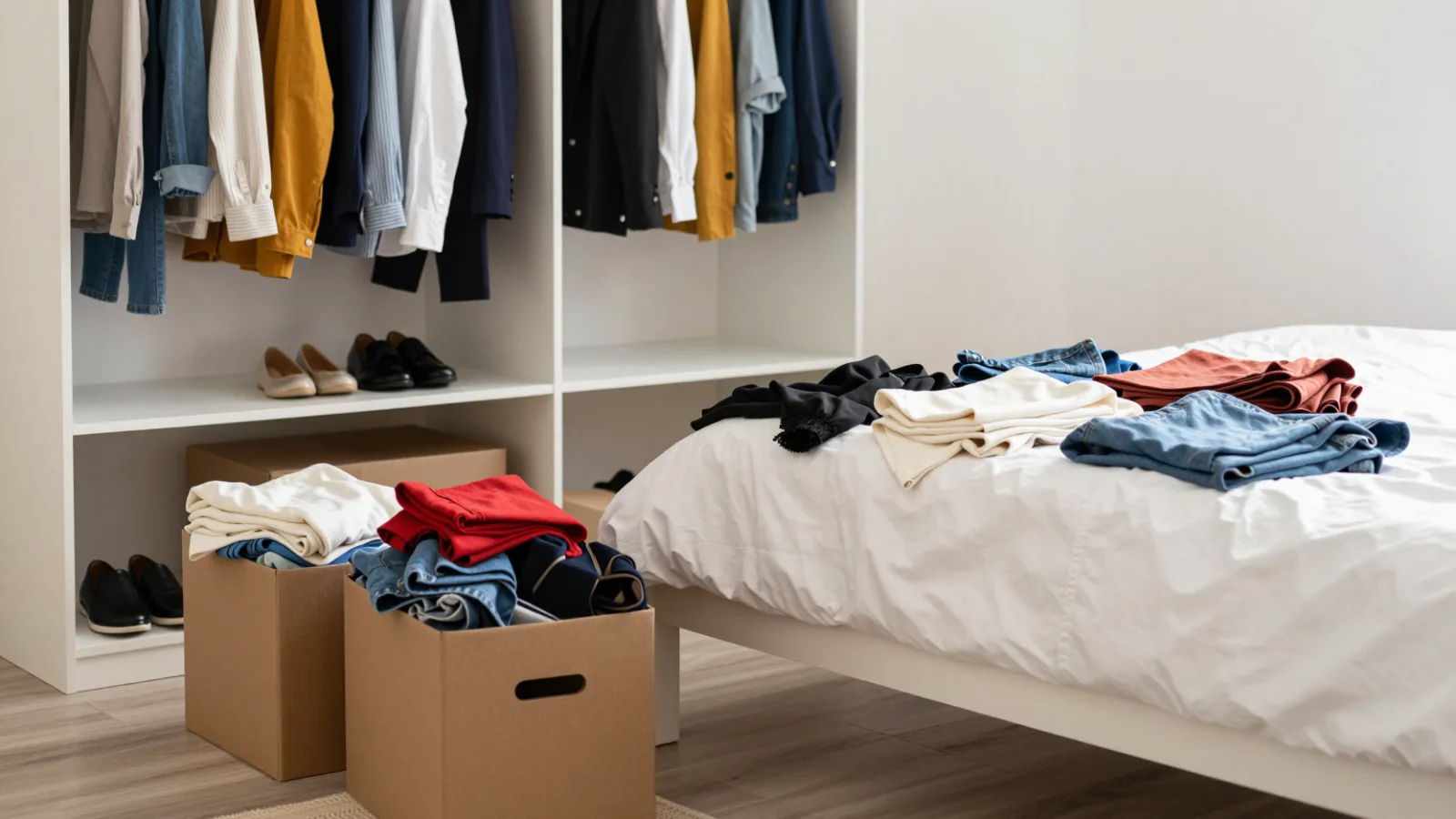
- Clothes that don't fit, are worn out or haven't been worn in a year
- Shoes you don't wear
- Extra bedding beyond a spare set or two
Living room
- Books, DVDs and magazines you won't read or watch again
- Décor you no longer like
- Tangled cables and old electronics
Kids' rooms and toys
- Outgrown clothes and toys, ideally decided together with older children
- Broken toys and incomplete puzzles
Garage, basement and attic
- Old paint, chemicals and broken tools
- Sports gear and equipment nobody uses
- Boxes you haven't opened since your last move
Paperwork
- Shred old statements and bills you don't need to keep, and switch to paperless where you can. Keep tax returns and their supporting documents for at least three years, and important records such as titles and birth certificates permanently.
Get it out of the house
- Donate to thrift stores, charities, shelters and community groups.
- Sell valuable items online or through a yard sale, but set a deadline. If it hasn't sold in a month, donate it.
- Recycle clothing, electronics and metal through local programs.
- Dispose of hazardous items properly. Batteries, paint, chemicals and electronics often need special drop-off. Many pharmacies and police stations accept old medicines.
Keep clutter from coming back
- Give everything a home and put things back after use.
- Use "one in, one out" for clothes, toys and kitchen gadgets.
- Keep a donation box in a closet and drop it off when it's full.
- Do a quick seasonal declutter, especially when you swap seasonal clothes.
Common questions
Start somewhere small and low-emotion, such as a bathroom cabinet, a kitchen drawer or a coat closet. Quick wins build momentum. Leave sentimental items, such as photos and keepsakes, until last.
Ask whether you've used it in the past year, whether you'd buy it again today, whether you have a place for it, and whether you have duplicates. If the answer to most is no, it can probably go.
Donate usable items to thrift stores and charities, sell valuable items online or at a yard sale, recycle what you can, and dispose of the rest. Check local rules for electronics, batteries, paint and medicines, which often need special drop-off.
It depends on the size of your home and how much you own. Working 15 to 30 minutes a day, one area at a time, most people can work through a home over several weeks without burning out.
Give everything a home, put things back after use, use a one in, one out rule for clothes and gadgets, keep a donation box handy, and do a quick declutter every season.