How to Compare Contractor Quotes
Three quotes for the same job can look completely different. Here's how to get quotes you can actually compare, what to check in each one, warning signs in a very low or very vague bid, and how to choose and negotiate.
By Pond.com editors Updated 3 min read

Quick answer
- Give every contractor the same written description of the job, so the quotes cover the same work.
- Compare the scope, materials, allowances, exclusions, timeline, payment schedule and warranty, not just the total.
- Watch out for low allowances, which make a quote look cheaper but leave you paying more later.
- A bid far below the others often means something has been left out, or the contractor is cutting corners.
- Ask each contractor to explain anything unclear, then choose on value, trust and communication as well as price.
You've had three contractors out to look at the job, and the quotes have arrived. One is a single line with a total, one runs to four pages, and the prices are thousands of dollars apart. Here's how to make sense of them.
Start with the same job description
The easiest way to get quotes you can compare is to give every contractor the same written description:
- What you want done, room by room or area by area
- Materials and finishes you've already chosen, or the quality level you want
- Anything you'll handle yourself, such as painting or buying fixtures
- Your timeline and any dates that matter
Ask each one to quote in writing and to list what's included and what isn't.
What to compare
| Item | What to check |
|---|---|
| Scope of work | Is every part of the job listed? Look for gaps, like demolition, disposal, prep or repairs to walls and floors |
| Materials | Specific brands, models and grades, not just "tile" or "shingles" |
| Allowances | Amounts for items not yet chosen; are they realistic for what you want? |
| Exclusions | What's not included, such as permits, electrical work, painting or hauling away debris |
| Permits and inspections | Who gets them, and are the fees included? |
| Timeline | Start date, how long the work will take, and what could delay it |
| Payment schedule | A small deposit, then payments tied to finished stages |
| Warranty | How long labor and materials are covered, and what's excluded |
| Cleanup | Daily tidying and final cleanup |
Put the quotes side by side in a simple table or spreadsheet. Gaps jump out quickly.
Watch the allowances
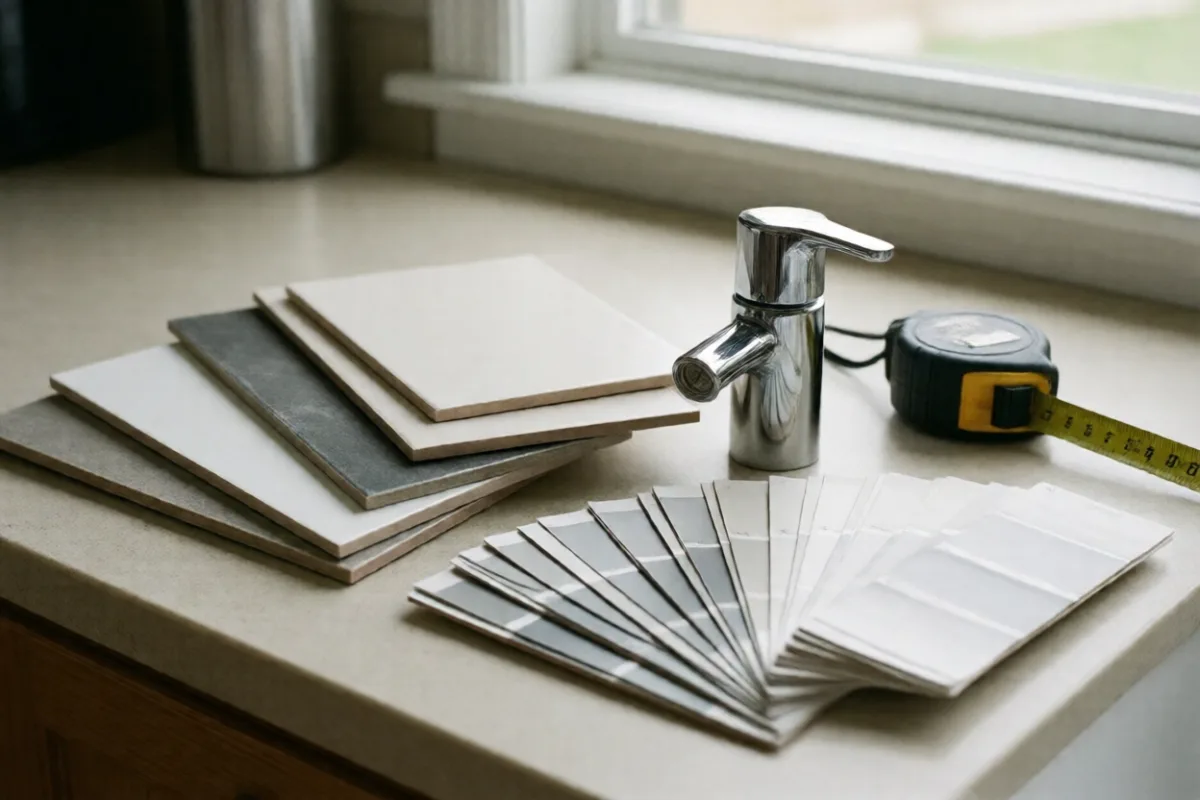
Allowances are the easiest place for a quote to look cheaper than it is. A $1,500 allowance for tile won't go far if you have your heart set on stone. Ask how each contractor set their allowances, and price a few of your preferred items yourself to check.
Warning signs in a quote
- Far cheaper than the others. Ask what's different. If they can't explain, be cautious.
- Vague wording, like "remodel bathroom" with a single price.
- A large deposit or most of the money before work starts.
- No mention of permits on a job that clearly needs one.
- Pressure to sign today to get a special price.
For more, see contractor red flags and scams to avoid.
Ask questions, then decide
Call each contractor about anything unclear. How they answer tells you a lot: good contractors explain their pricing and are happy to adjust a quote so you can compare it fairly.
When you choose, weigh:
- Value, not just price
- How well they communicate and listen to what you want
- Their license, insurance and references. See how to check a contractor.
- When they can start, and whether that suits you
Negotiating
It's reasonable to ask whether there's flexibility, especially on bigger jobs. Rather than pushing for a lower total, ask about trade-offs: different materials, doing some work yourself, or more flexible timing during a quieter season.
Common questions
An estimate is usually a rough price that can change once work starts. A quote or bid is normally a firmer price for a defined scope of work. Wording varies, so check whether the price is fixed and what could make it change.
An allowance is an amount set aside for items you haven't chosen yet, such as tile, fixtures or cabinets. If you choose something that costs more than the allowance, you pay the difference, so make sure allowances match the quality you actually want.
No. The lowest bid can be fine if it covers the same work and the contractor checks out, but a price far below the others often leaves things out, uses cheaper materials or leads to extra charges later. Compare what you're getting for the money.