How to Plan a Family Vacation
Family vacations take more planning, but the right approach makes them fun for everyone. Here's how to choose a kid-friendly destination, budget, book the right place to stay, build a realistic itinerary, and travel with children of different ages.
By Pond.com editors Updated 2 min read
Quick answer
- Involve the kids in choosing activities, and pick a destination with something for every age.
- Set a budget that covers travel, lodging, food, activities and a cushion for surprises.
- Choose lodging with space, a kitchen, laundry or a pool, which matter more with kids.
- Plan one main activity a day and leave time for rest, meals and downtime.
- Pack snacks, entertainment, a basic first-aid kit and copies of important documents.
A family vacation can create memories that last for years, but traveling with kids brings extra challenges, from different interests and energy levels to naps, snacks and meltdowns. Good planning helps everyone, parents included, enjoy the trip.
Choose a destination that works for everyone
- Ask everyone what they'd like to do, and include at least one activity each person is excited about.
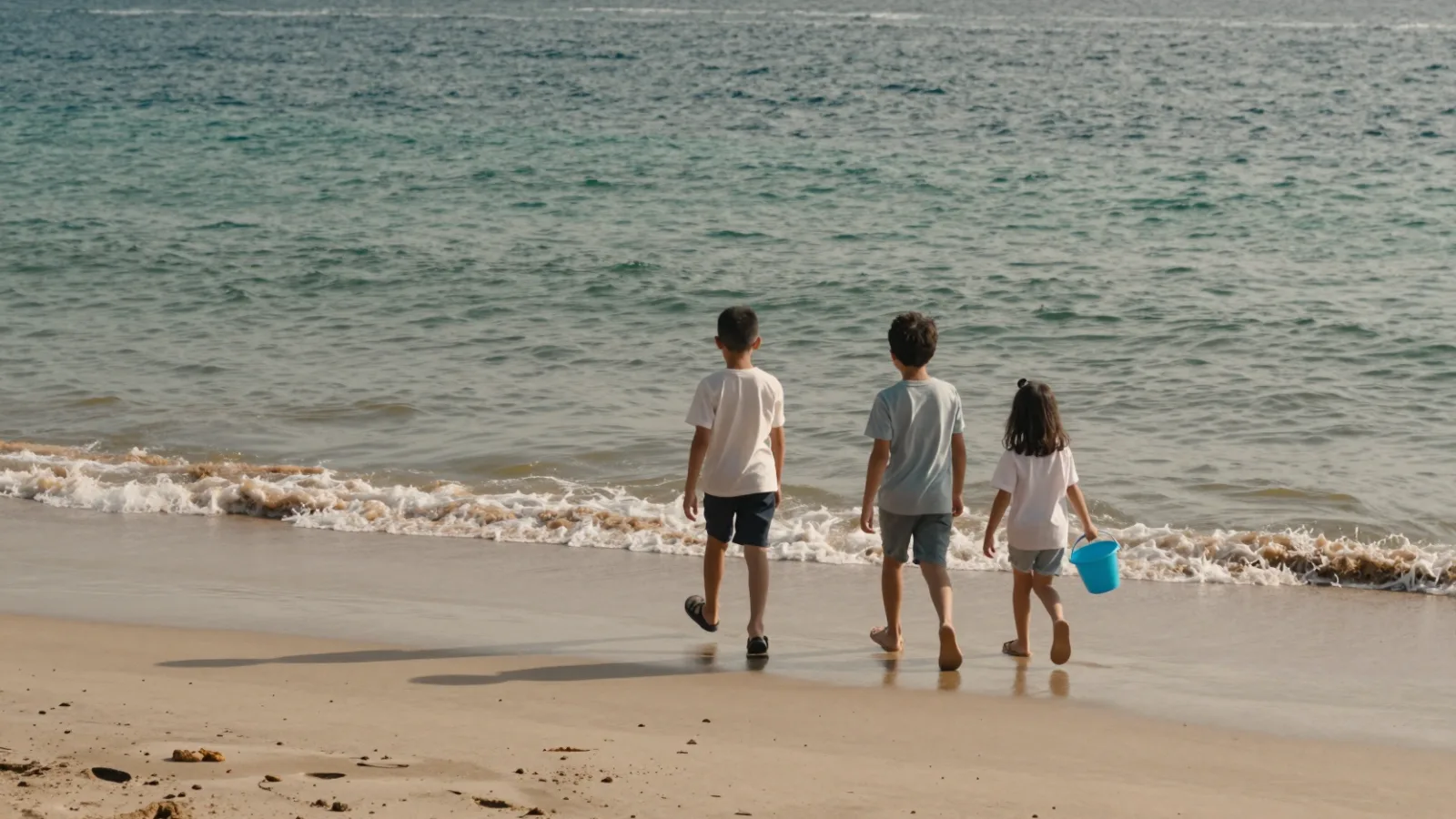
- Consider ages: toddlers love beaches and pools; school-age kids enjoy theme parks, zoos and national parks; teens often want adventure and some freedom.
- Keep travel time reasonable, especially with young children.
- Check the season for weather, crowds and school holidays.
See how to choose a vacation destination.
Set a budget
Include transportation, lodging, food, activities, souvenirs and a cushion for surprises. See how to set a travel budget.
Book the right place to stay
- Space: a suite, apartment or vacation rental with separate bedrooms helps everyone sleep.
- A kitchen saves money on breakfasts and snacks.
- Laundry lets you pack less.
- A pool or nearby park gives kids a way to burn off energy.
- Location near your main activities cuts travel time.
Build a realistic itinerary
- One main activity a day, plus time for meals, rest and free play.
- Schedule around naps and bedtimes for young kids.
- Book popular attractions and restaurants early.
- Have a rainy-day plan.
- Let older kids plan part of a day.
Getting there
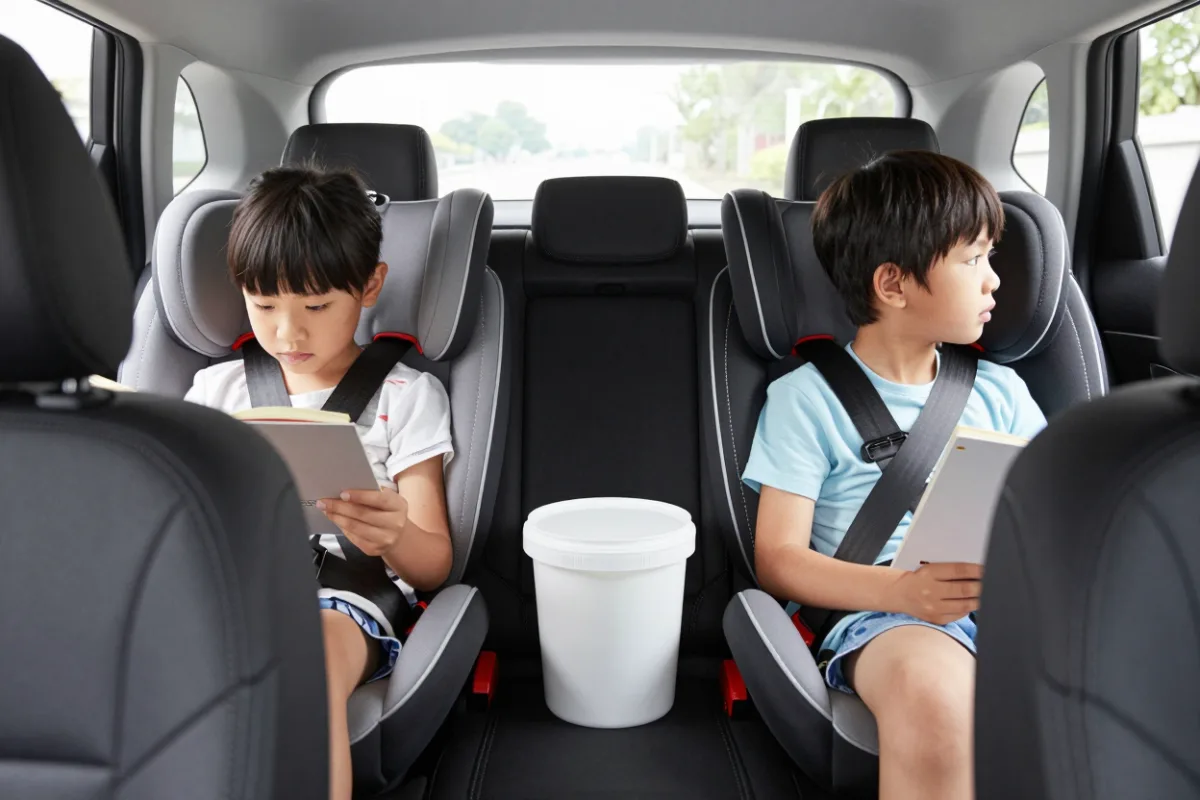
- Flying: choose nonstop flights when possible, check car seat and stroller rules, and bring snacks and entertainment.
- Driving: plan stops every couple of hours. See road trips with kids.
What to pack
- Snacks, refillable water bottles and wipes
- Entertainment: books, games, downloaded shows and headphones
- A small first-aid kit, medications and sunscreen
- Comfort items for younger kids
- Copies of passports, insurance cards and important documents
Before you go
- Passports: every child needs their own for international travel.
- Travel insurance: consider coverage for trip cancellation and medical care abroad. See travel insurance explained.
- Tell the kids the plan, so they know what to expect.
Common questions
Any age can work with the right trip. Babies and toddlers do well with simple trips and a home base. School-age kids enjoy theme parks, beaches and national parks, and teens often like more adventure and some independence.
Yes. All US citizens, including babies, need their own passport to fly internationally. Children under 16 must apply in person with both parents or guardians, or with the required consent forms.
Travel outside school holidays when you can, choose lodging with a kitchen, drive instead of flying for nearby trips, look for kids-stay-free or kids-eat-free deals, and mix paid attractions with free parks, beaches and museums.