How to Choose Your First Credit Card
Your first credit card can help you build credit, as long as you choose one you can get approved for and use it carefully. Here's which types of cards suit beginners, what to compare, and how to use your first card to build a strong credit history.
By Pond.com editors Updated 2 min read

Quick answer
- Good first cards include student cards, secured cards and starter cards for people with limited credit.
- Choose a card with no annual fee if you can.
- Use issuers' preapproval tools to check your odds without a hard credit inquiry.
- Use the card for small purchases and pay the full balance every month.
- Keep your balance low compared with your limit, and never miss a payment.
A first credit card is one of the simplest ways to start building credit, which affects your future loan rates, apartment applications and even some insurance prices. The trick is choosing a card you can get, and using it in a way that helps rather than hurts.
This article is general information, not financial advice.
Types of cards for beginners
| Card type | How it works | Best for |
|---|---|---|
| Student card | Designed for college students with little credit | Students with some income |
| Secured card | You pay a refundable deposit that usually becomes your limit | No credit or damaged credit |
| Starter (unsecured) card | Lower limits, sometimes uses bank data instead of a credit score | Young adults with steady income |
| Store card | Only works at one store or brand, often high interest | Usually not the best first choice |
Being an authorized user on a parent's or partner's card can also help, if their account is in good standing. See how to build credit from scratch.
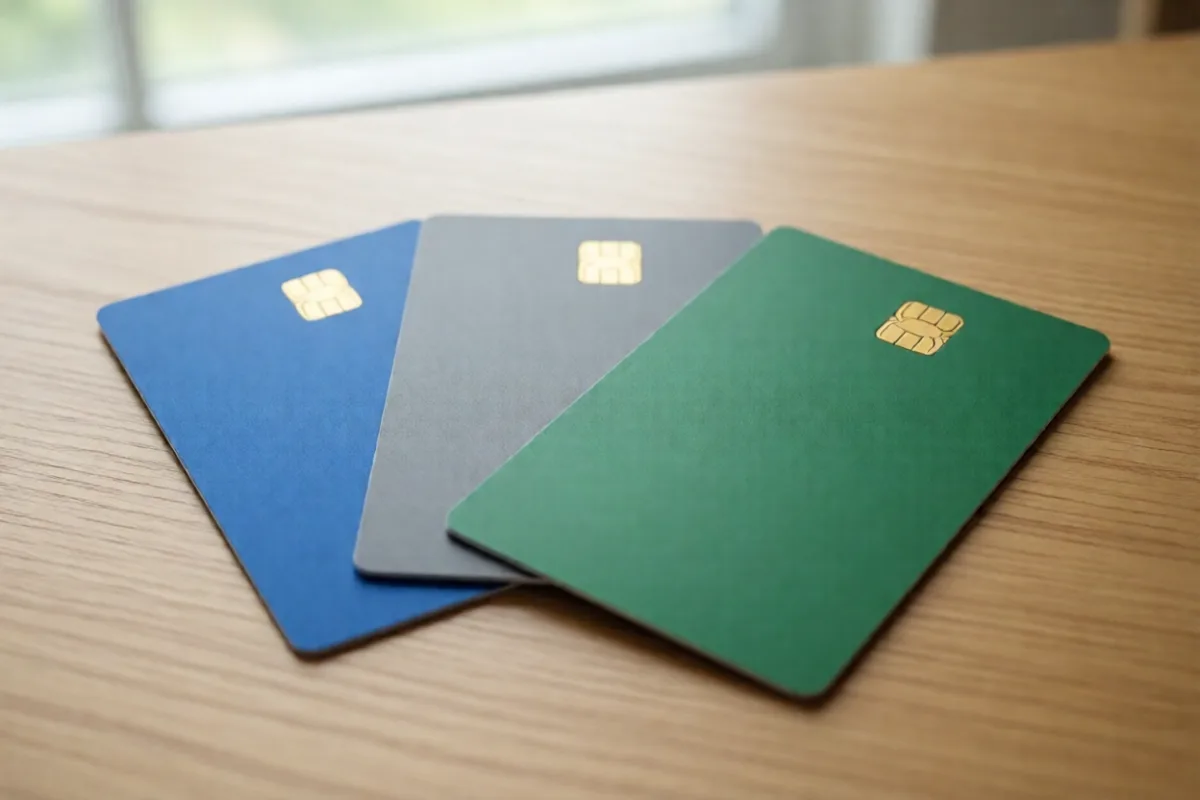
No-annual-fee cards for people with little or no credit history, including secured cards that use a deposit as your limit.
| Provider | Type | Deposit | Rewards | Details |
|---|---|---|---|---|
| Capital One Platinum Secured, opens in a new tab Automatically reviewed for a higher limit after 6 months. | Secured | $49, $99 or $200 for a $200 limit | None | Automatically reviewed for a higher limit after 6 months. Visit site Capital One Platinum Secured, opens in a new tab |
| Chase Freedom Rise, opens in a new tab Having $250 or more in a Chase checking or savings account improves your chances of approval. | Unsecured, for people new to credit | None | 1.5% cash back | Having $250 or more in a Chase checking or savings account improves your chances of approval. Visit site Chase Freedom Rise, opens in a new tab |
| Digital Federal Credit Union Visa Platinum Secured, opens in a new tab Credit union card with a much lower rate, from 15.25% and never above 18%. Membership required. | Secured | Backed by your DCU savings | None | Credit union card with a much lower rate, from 15.25% and never above 18%. Membership required. Visit site Digital Federal Credit Union Visa Platinum Secured, opens in a new tab |
| Discover it Secured, opens in a new tab Cash back earned in the first year is matched. Discover is now part of Capital One. | Secured | $49, $99 or $200 | 5% in rotating categories, 1% other | Cash back earned in the first year is matched. Discover is now part of Capital One. Visit site Discover it Secured, opens in a new tab |
How we chose these
We included widely available cards with no annual fee that are designed for people building credit, from major issuers and a credit union. Cards are listed alphabetically by issuer. We check each issuer's own page and independent reviews. Pond.com isn't paid by any card issuer listed here.
None of these cards has an annual fee. Most cards for building credit charge high interest, often near 29%, so pay the full balance each month. Secured card deposits are refundable when you close the card or upgrade to an unsecured one.
For information only, not a recommendation. Rates and terms change often and may depend on where you live; check the details with the provider before you apply. Pond.com isn't paid by any provider listed here.
What to compare
- Annual fee: aim for none.
- Interest rate (APR): matters only if you carry a balance, but lower is better.
- Deposit and upgrade path for secured cards: some review your account and return your deposit after several months of on-time payments.
- Reporting: make sure it reports to all three credit bureaus.
- Rewards: a bonus, not a priority.
- Tools: alerts, autopay and a good app.
How to apply
- Check your credit reports for errors; see how to check your credit report for free.
- Use preapproval tools on issuers' websites, which usually use a soft inquiry that doesn't affect your score.
- Apply for one card at a time. Several applications in a short time can lower your score.
- Be honest about income. Applicants under 21 generally need their own income or a co-signer.
Using your first card well
- Pay the full statement balance every month to avoid interest.
- Set up autopay for at least the minimum, so you never miss a due date.
- Keep your balance low, ideally under 30% of your limit, and lower is better.
- Use it for small, planned purchases like gas or a streaming subscription.
- Keep it open once you have it, since older accounts help your score.
Common questions
Many starter, student and secured cards are designed for people with little or no credit history, so you may not need a score at all. Secured cards are usually the easiest to get because your deposit backs the credit line.
Rewards are nice but not essential. No annual fee, a reasonable path to upgrade, and good tools for tracking spending matter more for a first card. Some starter cards do offer simple cash back.
It usually takes about six months of account history to generate a FICO score. Paying on time every month and keeping your balance low builds your score from there.